Follicle-Stimulating Hormone (FSH) Test
About Follicle-Stimulating Hormone (FSH) Test
| Field | Value |
|---|---|
| Also Known As | Follitropin Test, FSH Test |
| Sample Type | Venous blood (serum) |
| Fasting Required | No fasting required; avoid biotin supplements for 72 hours before the test |
| Report Time | 2-3 days |
| Recommended For | All genders; commonly ordered for women of reproductive age and men with fertility concerns |
| Price | Starting at ₹500 |
What Is a Follicle-Stimulating Hormone (FSH) Test?
The follicle-stimulating hormone test measures the level of FSH in your blood. FSH is produced by the pituitary gland, a small gland at the base of the brain, and plays a key role in sexual development and reproduction in both men and women. Also known as the FSH test or follitropin test, it is commonly ordered by doctors to investigate fertility concerns, menstrual irregularities, and puberty-related issues. A small sample of blood is drawn from a vein in your arm for this test.
What Does a Follicle-Stimulating Hormone (FSH) Test Measure?
The follicle-stimulating hormone (FSH) test measures a single hormone, FSH, but its significance differs depending on your sex and life stage. Here is what FSH does in each group:
| Group | Role of FSH |
|---|---|
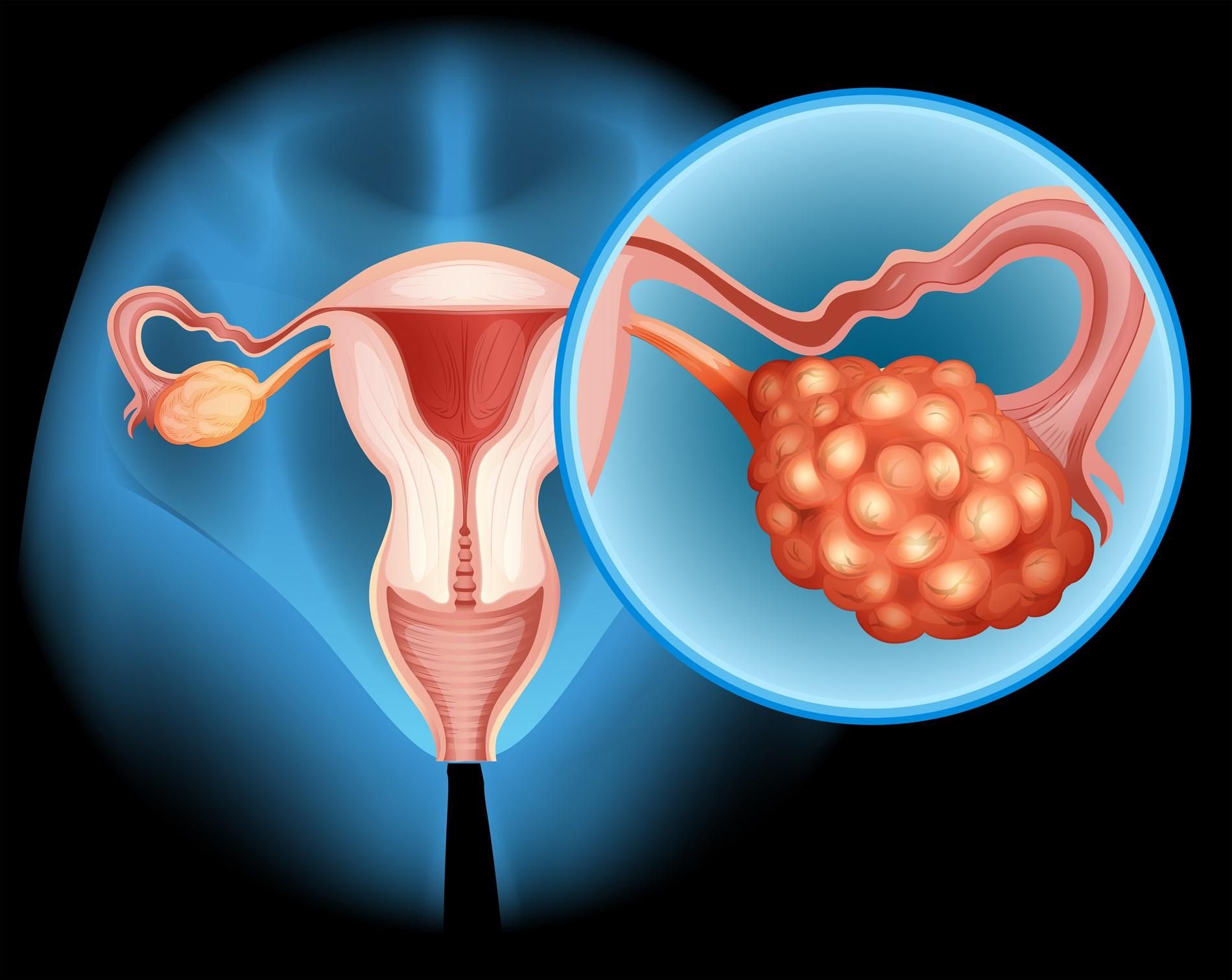
| Women (menstruating) | Helps regulate the menstrual cycle and stimulates egg growth in the ovaries |
| Men | Controls sperm production in the testicles and influences sperm health |
| Children | Normally low before puberty; rises as puberty begins |
Why Is a Follicle-Stimulating Hormone (FSH) Test Done?
A doctor may order a follicle-stimulating hormone (FSH) test for a range of reasons related to reproductive health and hormonal balance.
Common Symptoms That May Require This Test
Your doctor may recommend the follitropin test if you experience any of the following:
- Irregular or absent menstrual periods
- Difficulty conceiving (infertility) in men or women
- Hot flushes or night sweats
- Low sex drive
- Low sperm count or poor sperm quality
- Signs of early or delayed puberty in children
Conditions This Test Can Help Detect
The FSH test can provide useful information for evaluating several conditions, including:
- Menstrual irregularities and cycle disorders
- Hypogonadism (a condition where the body produces too little sex hormone)
- Polycystic ovary syndrome (PCOS)
- Primary ovarian insufficiency (also called premature ovarian failure)
- Pituitary gland disorders
- Klinefelter syndrome (a genetic condition affecting males)
- Menopause and perimenopause (the transition period leading up to menopause)
- Early or delayed puberty in children and adolescents
- Infertility in both men and women
How to Prepare and What to Expect
Preparing for a follicle-stimulating hormone (FSH) test is straightforward. Here is what you need to know before your appointment.
Do You Need to Fast?
No, fasting is not required for this test. There are no dietary restrictions before your blood draw. However, you should stop taking biotin (vitamin B7) supplements at least 72 hours before the test, as biotin can interfere with the result. Always follow the instructions given by your doctor or the diagnostic centre at the time of booking.
Practical Tips Before Your Test
- If you are still menstruating, try to schedule your test on day 2 or 3 of your cycle (day 1 is the first day of your period). If your cycles are irregular or absent, the test can be done at any time.
- Inform your doctor about all medications you take, especially hormonal contraceptives or hormone replacement therapy.
- Avoid taking new herbal supplements in the days before the test without consulting your doctor.
- Wear a short-sleeved or loose-sleeved top to make the blood draw easier.
Step-by-Step Procedure
The blood collection process is quick and generally comfortable. Here is what happens at the collection centre or during a home visit:
- A trained phlebotomist (a professional who draws blood) will ask you to sit comfortably and roll up your sleeve.
- An elastic band is tied around your upper arm to make the vein more visible.
- The area is cleaned with an antiseptic wipe.
- A small needle is gently inserted into a vein in your arm or hand, and blood is drawn into a collection tube.
- The needle is removed, and light pressure is applied to the site. A small bandage is placed over it.
- The sample is labelled and sent to the laboratory for analysis.
Factors That Can Affect Accuracy
Several factors can influence your FSH test result. These include:
- Hormonal contraceptives and hormone replacement therapy can suppress FSH levels
- Because FSH levels naturally fluctuate throughout the day and across the menstrual cycle, a single blood draw captures only a snapshot in time
- High prolactin levels (hyperprolactinaemia) can suppress FSH through the brain's hormonal feedback system
- Excess glucocorticoids (either from medication or a medical condition) can lower FSH levels
- Herbal supplements and certain medications may interfere with results
Understanding Your Follicle-Stimulating Hormone (FSH) Test Results
Your doctor will review your FSH test result alongside your symptoms, age, sex, menstrual cycle phase, and other hormone tests. The table below shows general reference ranges as a guide.
| Group | Normal Range (IU/L) |
|---|---|
| Males – Before puberty | 0 to 5.0 |
| Males – During puberty | 0.3 to 10.0 |
| Males (Adults) | 1.5 to 12.4 |
| Females – Before puberty | 0 to 4.0 |
| Females – During puberty | 0.3 to 10.0 |
| Females – Before menopause | 4.7 to 21.5 |
| Females – After menopause | 25.8 to 134.8 |
These ranges are general guidelines. Your doctor will interpret your results based on your age, health history, and other factors. Always consult a qualified healthcare professional for personalised medical advice.
Results During Special Conditions
Certain situations can shift FSH levels significantly, even in the absence of a disorder. Your doctor will account for these when reviewing your follitropin test result:
- FSH levels change throughout the menstrual cycle. For fertility testing, day 3 of the cycle is considered the most informative time to test.
- During pregnancy, FSH falls to very low levels and remains suppressed throughout.
- Hormonal contraceptives and hormone replacement therapy both lower FSH, which can make results difficult to interpret.
- High prolactin levels can suppress FSH indirectly through hormonal feedback pathways.
How to Maintain Healthy Levels
While hormone levels are influenced by many factors outside your control, some general habits support hormonal balance:
- Maintain a healthy body weight, as being significantly underweight or overweight can disrupt hormone production
- Manage stress regularly through relaxation practices, since long-term stress can affect the brain's hormonal signalling pathways
- Speak with your doctor before starting any new supplements, particularly biotin or hormonal products, to avoid unintended effects on future test results
Lupin Diagnostics Follicle-Stimulating Hormone (FSH) Test Price and Home Collection
The follicle-stimulating hormone (FSH) test price at Lupin Diagnostics starts at ₹500, and home sample collection is available across cities. The table below shows approximate prices by city.
| City | Approximate Price (₹) |
|---|---|
| Mumbai | ₹550 |
| Bengaluru | ₹550 |
| Chennai | ₹500 |
| Hyderabad | ₹500 |
| Kolkata | ₹600 |
| Pune | ₹525 |
Prices are indicative and may vary by location. Please confirm the current price at the time of booking.
How to Book
- Select the test on the Lupin Diagnostics website.
- Choose your city and preferred time slot.
- Opt for home sample collection by a certified phlebotomist, or visit your nearest Lupin Diagnostics centre.
- Receive your report via email or WhatsApp within the stipulated turnaround time.
Home Collection
Lupin Diagnostics offers home sample collection for the follicle-stimulating hormone test across cities, making it convenient to get tested without visiting a centre. All samples are processed in NABL-accredited laboratories by experienced technologists. Digital reports are delivered securely via email or WhatsApp within 2-3 days.
Frequently Asked Questions
The FSH test helps doctors assess how well the pituitary gland and reproductive organs are working. It is used to investigate infertility, menstrual irregularities, menopause, delayed or early puberty, and pituitary gland disorders. Results are usually reviewed alongside other hormone tests.
For women who are still menstruating, day 2 or 3 of the menstrual cycle is generally the most informative time. Days 2 to 4 are also acceptable. For men or women without a regular cycle, the test can be done at any time.
No fasting is needed. The only preparation required is to stop biotin supplements at least 72 hours before the blood draw, as biotin can interfere with the test result. You can eat and drink normally on the day of the test.
A higher-than-normal FSH level often points to reduced function of the ovaries or testes. In women, it may be associated with menopause, primary ovarian insufficiency, or PCOS. In men, it can be linked to conditions such as Klinefelter syndrome or testicular damage. Your doctor will advise you based on your full clinical picture.
Yes. Hormonal contraceptives and hormone replacement therapy are known to suppress FSH levels and can affect how results are interpreted. Always tell your doctor and the laboratory about any medications, supplements, or herbal products you are taking before the follicle-stimulating hormone (FSH) test.
The FSH test is often ordered alongside a test for luteinising hormone (LH), which is also produced by the pituitary gland. Depending on your symptoms, your doctor may also request tests for oestrogen, testosterone, or progesterone to get a fuller picture of your hormonal health.
Follicle-Stimulating Hormone (FSH) Test