Book Your Health Check-up
Creatinine/Estimated Glomerular Filtration Rate (eGFR): Booking, Price, and Results
About Creatinine/Estimated Glomerular Filtration Rate (eGFR) Test
| Field | Value |
|---|---|
| Also Known As | Creatinine with eGFR Test, Serum Creatinine with Calculated GFR Test, Kidney Function Test, Renal Function Panel, GFR Test |
| Sample Type | Serum (venous blood) |
| Fasting Required | Not required; avoid high-protein meals, especially red meat, before the test |
| Report Time | Within 24 hours |
| Recommended For | All adults, particularly those with diabetes, high blood pressure, heart disease, a family history of kidney disease, or aged 60 and above |
| Price | Starting at ₹250 |
What is a Creatinine/Estimated Glomerular Filtration Rate (eGFR) Test?
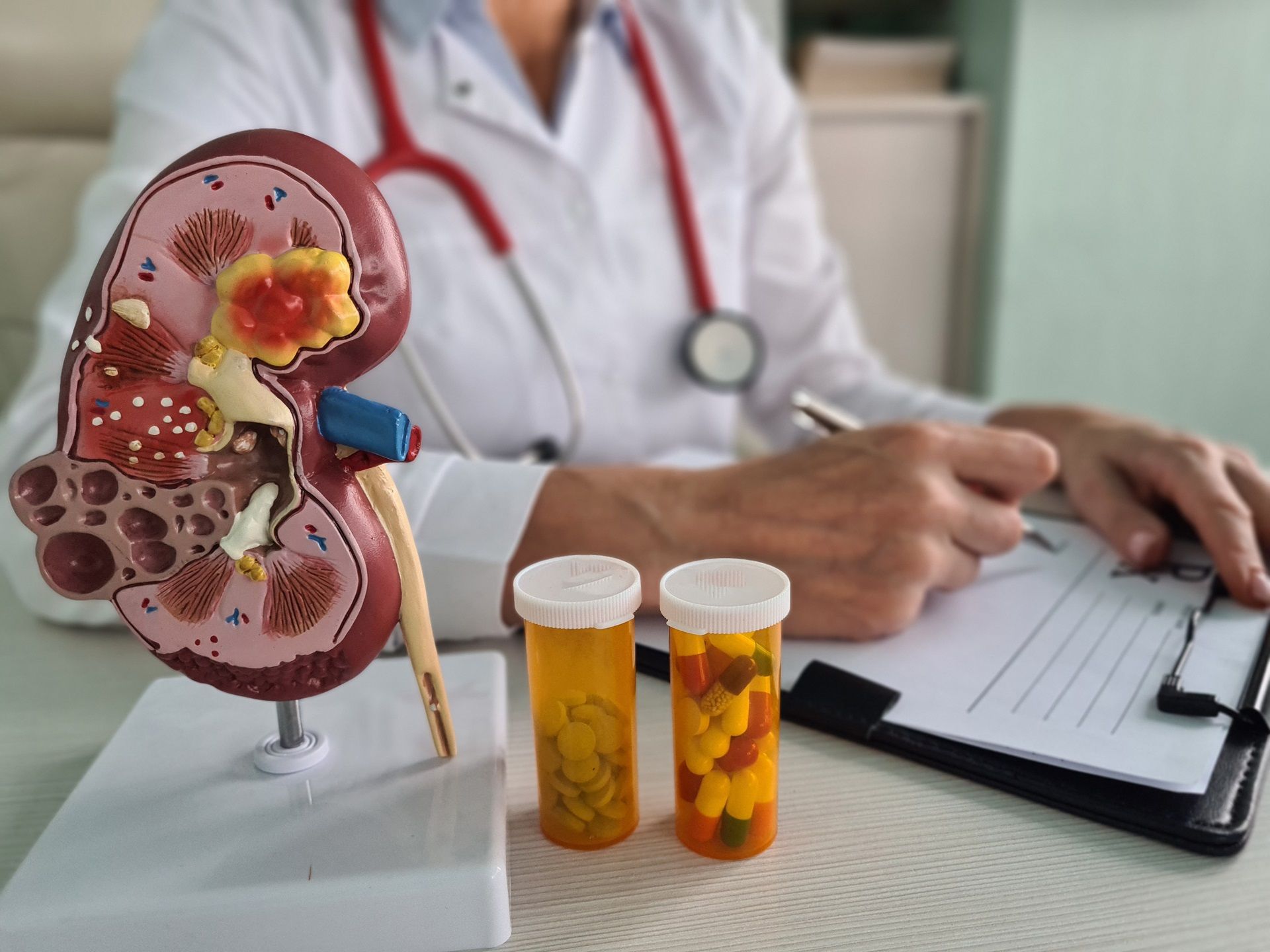
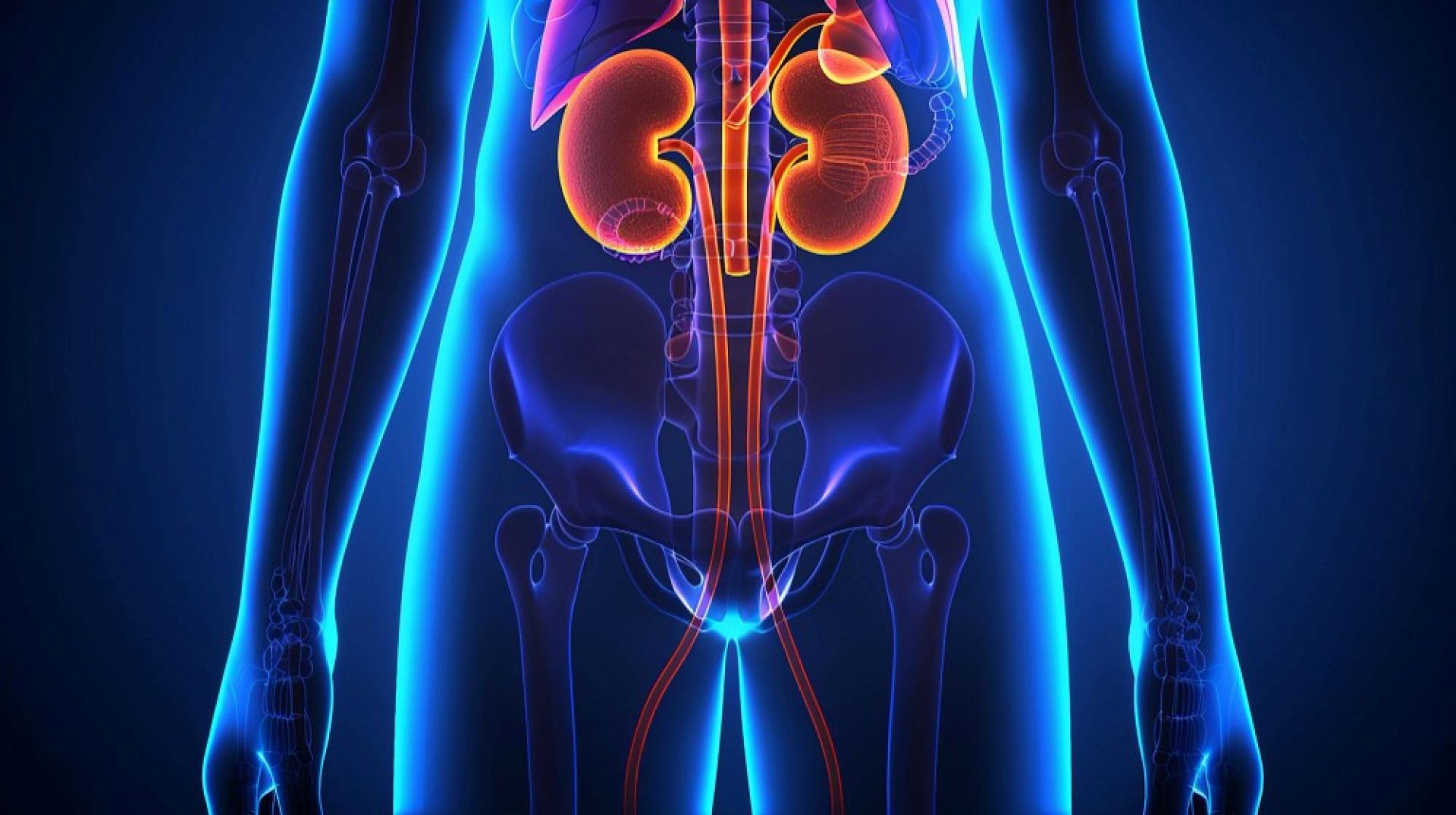
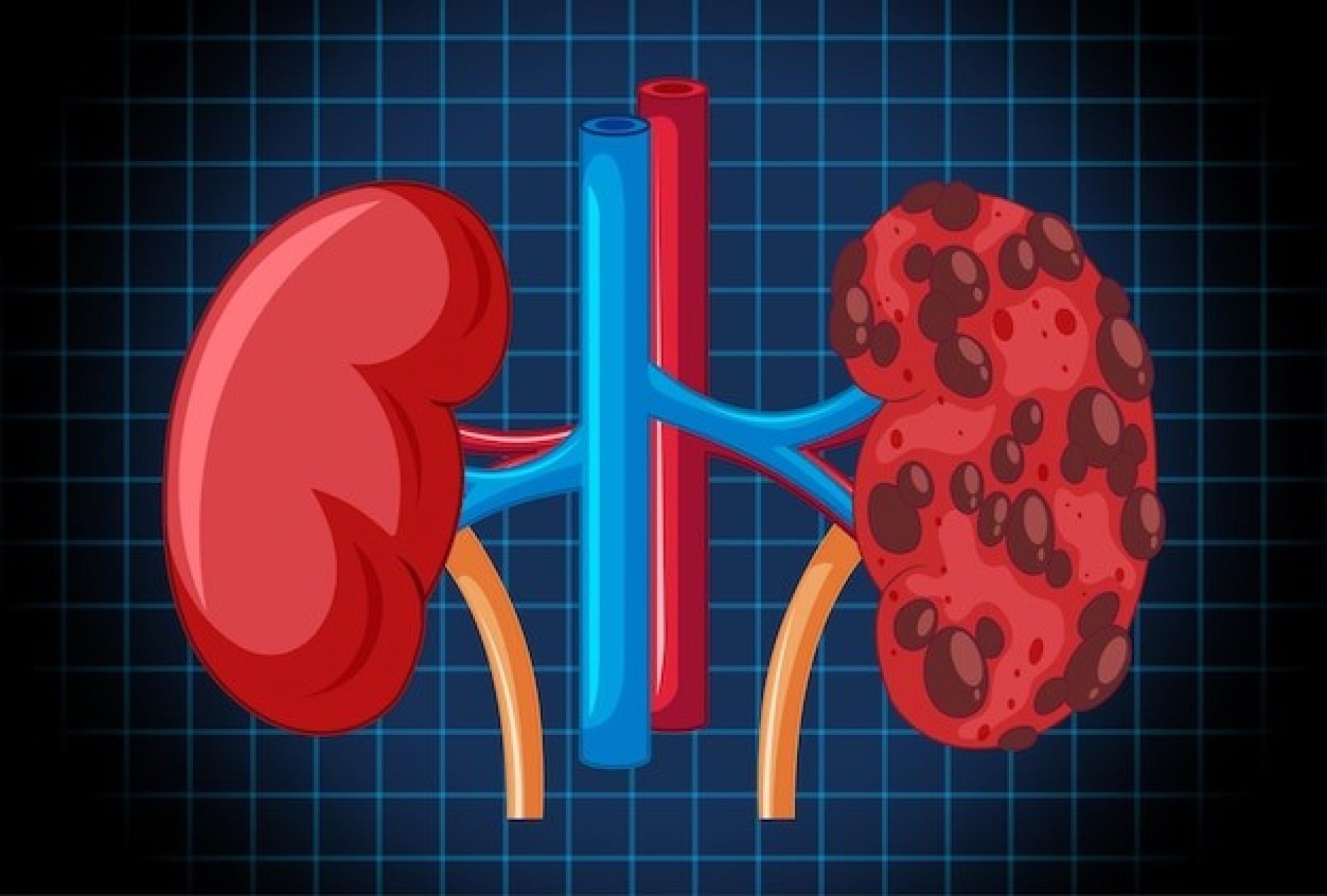
The Creatinine/Estimated Glomerular Filtration Rate test measures how well your kidneys are filtering waste from your blood. It checks the level of creatinine, a waste product produced by muscles, and uses that reading to calculate your eGFR.
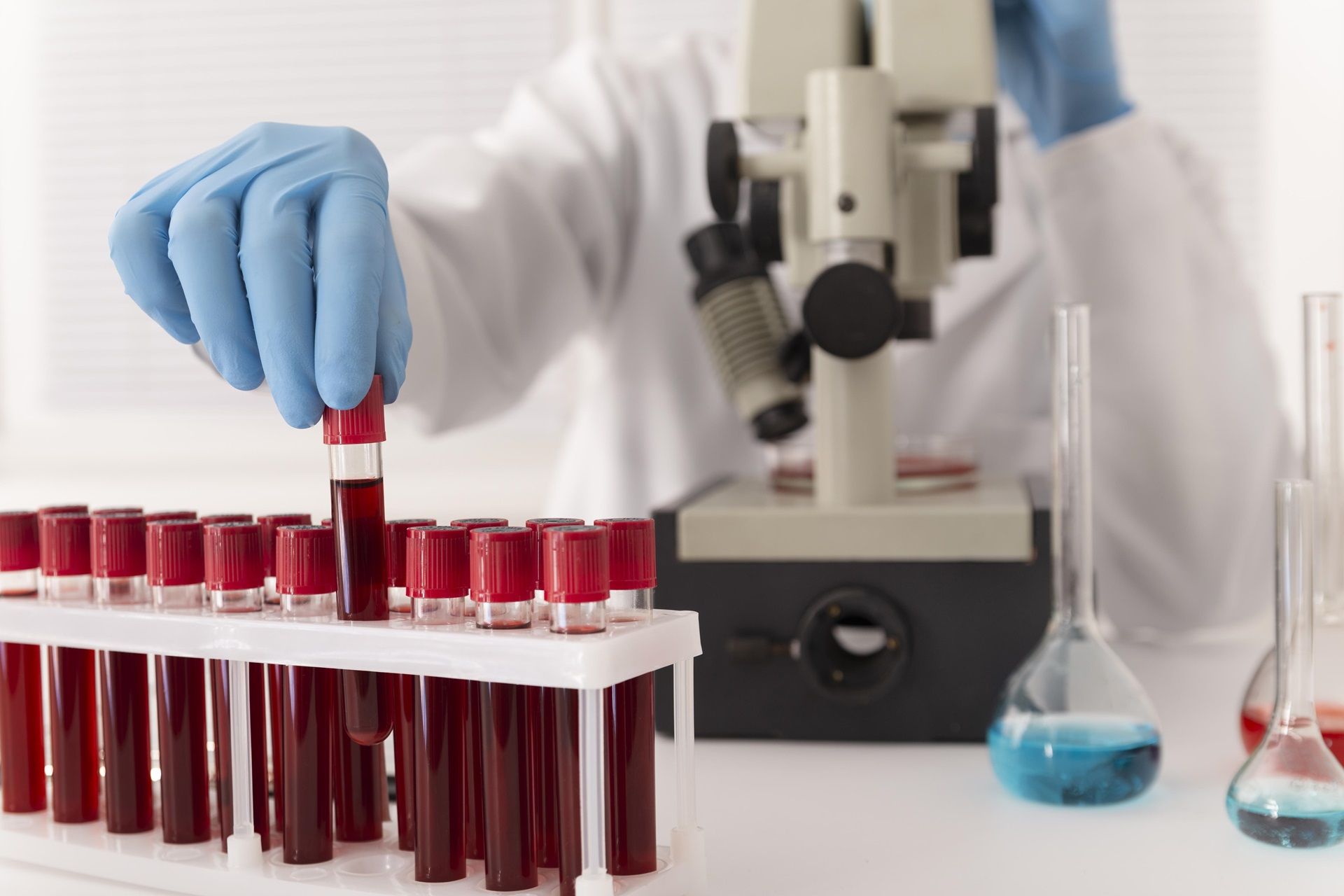
Also known as the Creatinine with eGFR test or the Kidney Function test, it requires a small sample of blood drawn from a vein. Doctors prescribe this test to screen for kidney disease, monitor known kidney conditions, and assess the kidney effects of diabetes or high blood pressure.
What Does a Creatinine/Estimated Glomerular Filtration Rate (eGFR) Test Measure?
This test analyses two closely linked values from a single blood sample. Together, they give a clearer picture of kidney health than either measurement alone.
| Parameter | What It Tells You |
|---|---|
| Serum Creatinine | The level of creatinine waste product in your blood; rises when kidneys are not filtering efficiently |
| eGFR (Estimated Glomerular Filtration Rate) | Calculated from creatinine, age, and sex; estimates how fast your kidneys filter waste per minute |
Why is a Creatinine/Estimated Glomerular Filtration Rate (eGFR) Test Done?
The Creatinine/Estimated Glomerular Filtration Rate test is ordered for a range of reasons, from initial screening to long-term disease tracking.
Common Symptoms That May Require This Test
Your doctor may recommend this test if you experience any of the following:
- Swelling in the feet, ankles, or hands
- Fatigue or persistent tiredness without a clear cause
- Changes in how often or how much you urinate
- Foamy or frothy urine
- Loss of appetite or nausea
- Persistent itching of the skin
Conditions This Test Can Help Detect
The Creatinine/Estimated Glomerular Filtration Rate (eGFR) test can help identify several kidney-related conditions, including:
- Chronic kidney disease (CKD)
- Acute kidney injury (sudden onset kidney damage)
- Kidney stones, enlarged prostate, or tumours that obstruct urine flow
- Glomerulonephritis (inflammation of the kidney's filtering units)
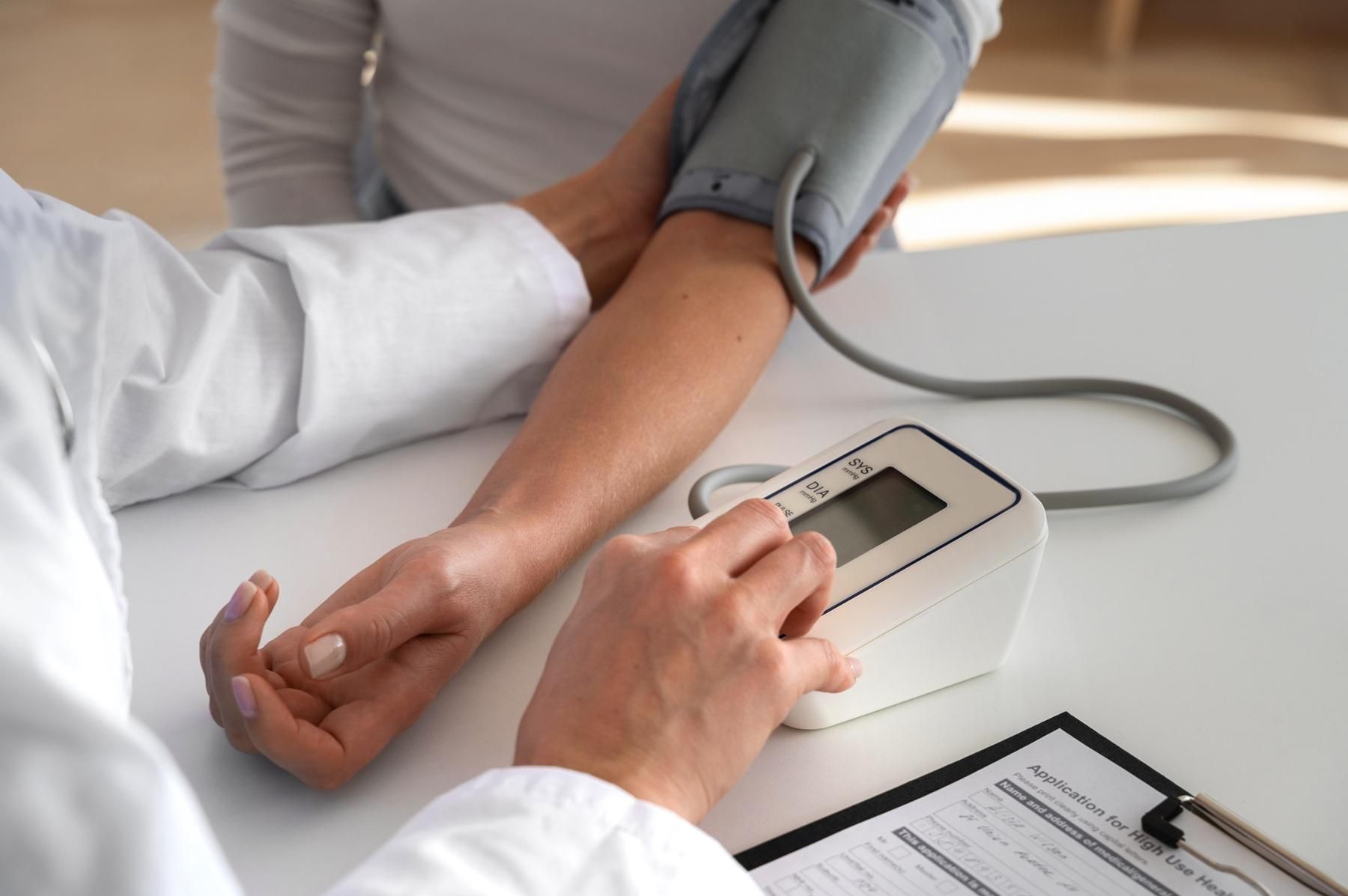
- Diabetes-related and hypertension-related kidney damage
Creatinine/Estimated Glomerular Filtration Rate (eGFR) During Pregnancy
Most obstetricians include creatinine testing as part of routine prenatal blood work, checking levels at the first visit and across trimesters. During pregnancy, blood volume increases and the kidneys filter blood more quickly than usual. This causes creatinine levels to drop naturally, so doctors use pregnancy-specific reference ranges rather than standard ones. The standard eGFR formula may not apply accurately to pregnant women because it does not account for these normal physiological changes.
Creatinine/Estimated Glomerular Filtration Rate (eGFR) for Chronic Disease Monitoring
For people already diagnosed with CKD, this test is a key tool for tracking how the condition is progressing. Monitoring frequency generally depends on disease stage: every 6 to 12 months for mild CKD, every 3 to 6 months for moderate CKD, and every 1 to 3 months for severe CKD. The test is equally important for monitoring kidney health in people with diabetes or high blood pressure, both of which are leading causes of CKD worldwide.
How to Prepare and What to Expect
The Creatinine/Estimated Glomerular Filtration Rate (eGFR) test procedure is straightforward and requires minimal preparation.
Do You Need to Fast?
Fasting is not required for this test. However, you should avoid eating red meat or other high-protein meals in the hours before your appointment, as protein-rich food can temporarily raise creatinine levels. If additional tests have been ordered alongside this one, ask your doctor whether fasting is needed for those.
Practical Tips Before Your Test
Follow these simple steps before your appointment:
- Bring a detailed clinical history, including your symptoms, previous test results, and any relevant medical records, as this is required for the test
- Inform your doctor about all medications and supplements you take, particularly antibiotics such as trimethoprim or acid-blockers such as cimetidine, as these can affect results
- Avoid intense exercise in the 24 hours before the test, as heavy physical activity can temporarily raise creatinine levels
- Stay adequately hydrated, but do not drink excessive amounts of water before the test
Step-by-Step Procedure
- A trained phlebotomist will clean a small area of skin on your inner arm with an antiseptic swab
- A fine needle is inserted into a vein, usually in the crook of your elbow, to draw a small blood sample
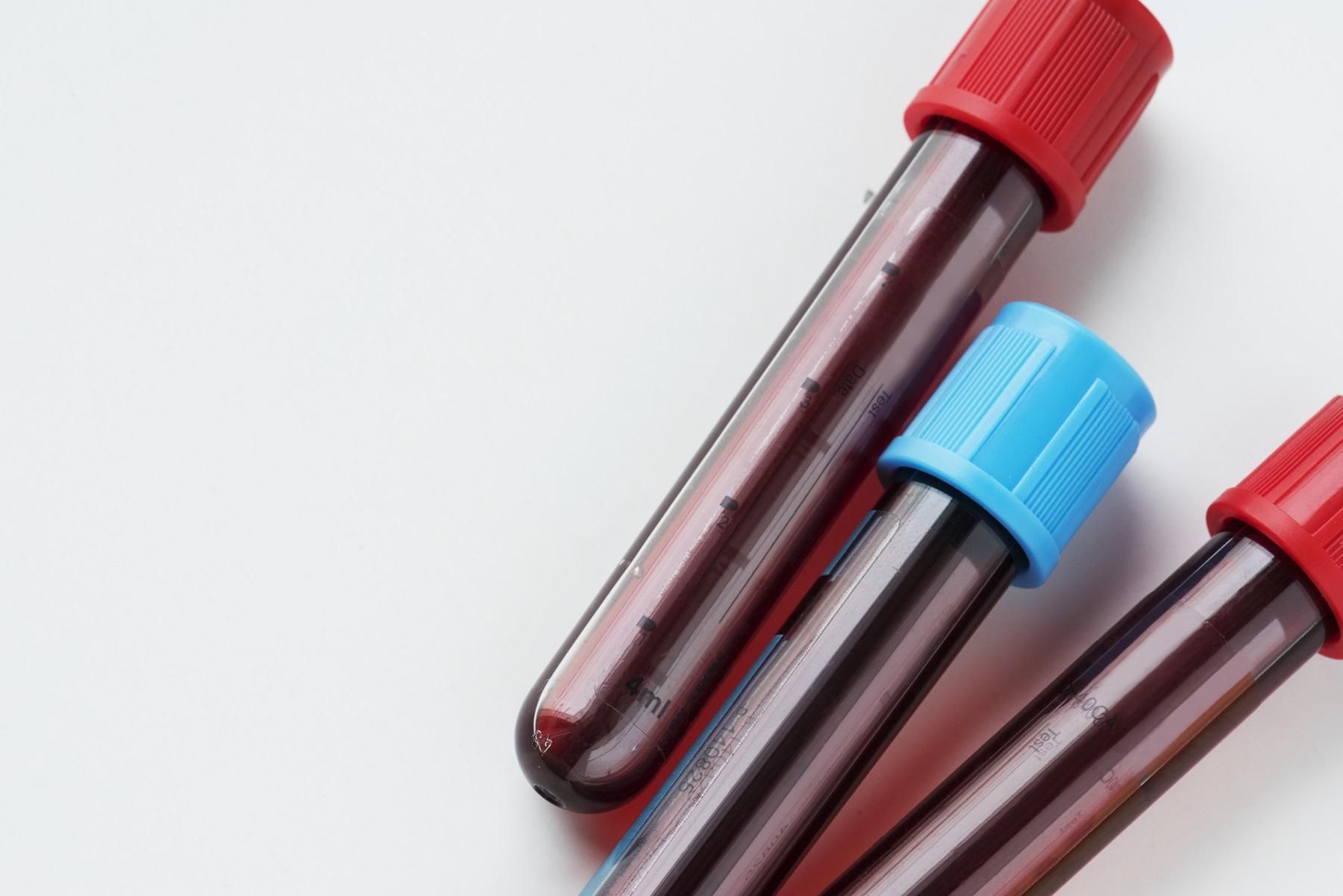
- The sample is collected into a gel tube, which takes less than a few minutes
- A cotton swab or small bandage is placed on the site after the needle is removed
- The sealed sample is labelled and stored at the correct temperature before being sent to the laboratory
- In the lab, creatinine is measured from your serum and eGFR is calculated using your creatinine level, age, and sex
Factors That Can Affect Accuracy
Several factors can influence your results. Be aware of the following:
- Diet, particularly high meat intake before the test
- Muscle mass (higher muscle mass can produce more creatinine naturally)
- Intense physical exercise immediately before the test
- Certain medications, including some antibiotics and acid-blockers
- Age, as eGFR may overestimate kidney function in people over 60
- Conditions such as malnutrition, liver disease, or cancer
- Pregnancy, which causes physiological changes that affect both creatinine and eGFR readings
Understanding Your Creatinine/Estimated Glomerular Filtration Rate (eGFR) Results
Your results include two values: serum creatinine and eGFR. The table below outlines general reference ranges. Always discuss your results with your doctor before drawing any conclusions.
| Parameter | Range | Unit |
|---|---|---|
| Serum Creatinine (Male) | 0.6 to 1.2 | mg/dL |
| Serum Creatinine (Female) | 0.5 to 1.1 | mg/dL |
| Serum Creatinine (Male) | 53 to 106 | μmol/L |
| Serum Creatinine (Female) | 45 to 84 | μmol/L |
| eGFR (Normal kidney function) | Above 90 | mL/min/1.73 m² |
| eGFR (Mild decrease) | 60 to 89 | mL/min/1.73 m² |
| eGFR (Moderate decrease, Stage 3a) | 45 to 59 | mL/min/1.73 m² |
| eGFR (Moderate decrease, Stage 3b) | 30 to 44 | mL/min/1.73 m² |
| eGFR (Severe decrease, Stage 4) | 15 to 29 | mL/min/1.73 m² |
| eGFR (Kidney failure, Stage 5) | Below 15 | mL/min/1.73 m² |
Disclaimer: These ranges are general guidelines. Your doctor will interpret your results based on your age, health history, and other factors. Always consult a qualified healthcare professional for personalised medical advice.
Results During Special Conditions
Certain situations can shift your results outside the usual ranges without indicating a problem:
- During pregnancy, eGFR rises significantly (average values above 120 mL/min/1.73 m² are common) and serum creatinine drops steadily across trimesters. These are normal physiological changes.
- In adults over 60 years, standard eGFR calculations tend to overestimate kidney function, so doctors interpret results with additional caution in this age group.
- Some medications, including certain antibiotics, cause the body to retain more creatinine than normal, which can raise blood creatinine levels even when kidneys are working well.
How to Maintain Healthy Levels
These general wellness tips support good kidney health:
- Stay well hydrated by drinking enough water throughout the day
- Keep blood pressure and blood sugar within target ranges if you have diabetes or hypertension
- Follow a balanced diet that is not excessively high in protein, and maintain a healthy body weight
Lupin Diagnostics Creatinine/Estimated Glomerular Filtration Rate (eGFR) Price and Home Collection
The Creatinine/Estimated Glomerular Filtration Rate test at Lupin Diagnostics starts at ₹250, and home collection is available across multiple cities in India.
| City | Approximate Price (₹) |
|---|---|
| BHOPAL | 200 |
| CHENNAI | 250 |
| HYDERABAD | 200 |
| KOLKATA | 200 |
| NAVI MUMBAI | 250 |
| PUNE | 250 |
Disclaimer: Prices are indicative and may vary by location. Please confirm the current price at the time of booking.
Home Collection
Creatinine/Estimated Glomerular Filtration Rate test home collection is available across cities, with samples collected by trained phlebotomists at a time that suits you. All samples are processed in NABL-accredited laboratories to ensure accuracy and reliability. Your digital report is delivered securely and can be accessed at any time.
How to Book
- Select the test on the Lupin Diagnostics website
- Choose your city and preferred time slot
- Opt for home sample collection by a certified phlebotomist, or visit your nearest Lupin Diagnostics centre
- Receive your report via email or WhatsApp within 24 hours of sample collection
Frequently Asked Questions
Creatinine is a waste product that muscles produce naturally. The test measures how much of it is present in your blood. The eGFR is a number calculated from that creatinine reading, along with your age and sex. It gives a more accurate picture of how well your kidneys are actually working.
Creatinine levels vary between people based on age, muscle mass, and sex. The eGFR accounts for these factors, making it a more reliable indicator of kidney function. It can also help indicate how serious any kidney impairment may be.
You do not need to fast. However, eating red meat before the test can temporarily raise your creatinine reading. It is best to avoid high-protein meals in the hours before your appointment to ensure accurate results.
An eGFR below 60 that persists for three months or more may indicate that your kidneys are not filtering blood efficiently. This may point to chronic kidney disease, though your doctor will consider your full clinical picture before making any assessment.
For healthy adults, an annual check is usually sufficient. If you have been diagnosed with chronic kidney disease, your doctor will advise more frequent testing, ranging from every few months to every few weeks, depending on how advanced the condition is.
Yes, both can have a temporary effect. Intense exercise shortly before the test can raise creatinine levels, as can eating a meal high in red meat. For the most accurate reading, avoid strenuous activity and high-protein food in the 24 hours before your test.
The test is completely safe and is routinely included in prenatal blood work. However, creatinine levels normally fall and eGFR rises during pregnancy due to changes in how the body processes blood. Your doctor will use pregnancy-appropriate reference ranges to interpret your results correctly.