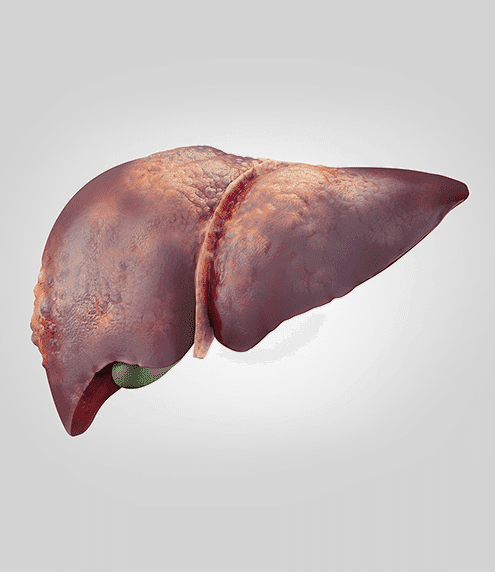
Anti LKM - 1 Antibody (Liver Kidney Microsomal Antibody), IFA Test
About Anti LKM - 1 Antibody (Liver Kidney Microsomal Antibody), IFA Test
| Field | Value |
|---|---|
| Also Known As | Liver-Kidney Microsomal Type-1 Antibodies Test, LKM-1 Antibodies, Anti-LKM1, Anti-P450 2D6 Antibody, Anti-CYP2D6 Antibody |
| Sample Type | Venous blood (serum) |
| Fasting Required | No fasting required |
| Report Time | Within 2 to 3 business days |
| Recommended For | All ages; more commonly ordered for children and young adults with suspected liver disease; females more frequently affected |
| Price | Starting at ₹2,500 |
What Is an Anti LKM - 1 Antibody (Liver Kidney Microsomal Antibody), IFA Test?
The anti-LKM-1 test is a blood test that checks for a specific type of autoantibody, that is, an immune protein that mistakenly attacks the body's own tissues. These antibodies target an enzyme called CYP2D6, which is found mainly in liver cells.
Doctors order this test when they suspect autoimmune liver disease, particularly in children, young adults, and women. It is also known as the liver-kidney microsomal type-1 antibodies test or the LKM-1 by IFA test.
What Does an Anti LKM - 1 Antibody (Liver Kidney Microsomal Antibody), IFA Test Measure?
This test looks for the presence of anti-LKM-1 antibodies in the blood using indirect immunofluorescence (IFA), a laboratory technique that reveals whether these antibodies are present. The following components are assessed:
| Parameter | What It Tells Us |
|---|---|
| Anti-LKM-1 Antibody (qualitative) | Detects whether the antibody is present or absent in the blood sample |
| Antibody titre (if antibody is detected) | Measures the concentration of antibodies; higher titres indicate a greater amount |
Why Is an Anti LKM - 1 Antibody (Liver Kidney Microsomal Antibody), IFA Test Done?
This test is usually ordered when a doctor suspects autoimmune liver disease, often after abnormal liver function results or after a patient reports persistent symptoms affecting the liver.
Common Symptoms That May Require This Test
A doctor may order the anti-LKM1 blood test when a patient presents with one or more of the following symptoms:
- Persistent fatigue without a clear cause
- Yellowing of the skin or whites of the eyes (jaundice)
- Pain or discomfort in the upper right abdomen over the liver
- Nausea or loss of appetite
- Dark yellow urine or pale stools
- Joint pain
- Skin rashes
Conditions This Test Can Help Detect
The anti-LKM-1 test is used alongside other tests such as antinuclear antibodies (ANA) and smooth muscle antibody (SMA) tests to help identify the following conditions:
- Autoimmune hepatitis type 2 (AIH-2), the primary condition associated with this antibody
- Autoimmune polyendocrinopathy-candidiasis-ectodermal dystrophy (APECED), a rare inherited condition sometimes linked to AIH-2
- Chronic hepatitis caused by hepatitis C virus (HCV) infection
- Viral hepatitis D and certain forms of drug-induced hepatitis
How to Prepare and What to Expect
No special preparation is required for this test. The steps below explain what you can expect from the time you arrive until the sample is sent to the laboratory.
Do You Need to Fast?
No. Fasting is not required before the anti-LKM-1 test. You can eat and drink normally on the day of your test. If your doctor has ordered additional tests at the same time, check whether any of those require fasting.
Practical Tips Before Your Test
A few simple steps can help ensure your visit goes smoothly:
- Inform your doctor about all medications, vitamins, and supplements you are currently taking
- Wear clothing with short or loose sleeves for easy access to your arm
- Stay well-hydrated before your appointment
- Tell the phlebotomist (the specialist who collects your blood) if you have any known bleeding disorders
Step-by-Step Procedure
Here is what happens during the blood collection process:
- A trained phlebotomist will ask you to sit comfortably and will identify a suitable vein, usually in the bend of your arm.
- An elastic band (tourniquet) is placed around your upper arm to make the veins more visible.
- The skin over the vein is cleaned with an antiseptic wipe.
- A small needle is gently inserted into the vein, and a blood sample is drawn into a labelled collection tube.
- The needle is removed, and gentle pressure is applied to the site. A small bandage is placed over it.
- The labelled sample is sent to the laboratory for analysis using the IFA method.
Factors That Can Affect Accuracy
Certain factors can influence the reliability of your results. These include:
- Recent viral infections, particularly hepatitis C or D
- Medications that affect the immune system
- Improper sample handling or storage before analysis
- The laboratory method used (IFA results may differ slightly from ELISA-based tests)
- Dehydration at the time of sample collection
Understanding Your Anti LKM - 1 Antibody (Liver Kidney Microsomal Antibody), IFA Test Results
Your results should always be reviewed by a doctor, who will consider them alongside your symptoms, medical history, and other test findings. The table below provides a general guide to interpreting this test.
| Parameter | Normal Result | Positive Result |
|---|---|---|
| Anti-LKM-1 Antibody | Negative (not detected) | Positive (antibody present) |
| Titre (if positive) | Not applicable | 1:40 to 1:640 or higher (adults) 1:10 or higher (children) |
A negative result means no anti-LKM-1 antibodies were found, making autoimmune hepatitis type 2 less likely. However, a negative result does not completely rule out the condition.
A positive result suggests that anti-LKM-1 antibodies are present. High titres are associated with type 2 autoimmune hepatitis, though this is not a definitive diagnosis on its own. A liver biopsy may be needed to confirm the findings. A positive result may also occur in some patients with chronic hepatitis C infection.
These ranges are general guidelines. Your doctor will interpret your results based on your age, health history, and other factors. Always consult a qualified healthcare professional for personalised medical advice.
Results During Special Conditions
In patients with hepatitis C infection, the LKM antibody in dilutions by IFA test may return a positive result. However, the antibodies seen in hepatitis C target slightly different parts of the CYP2D6 enzyme compared with those seen in autoimmune hepatitis type 2. Your doctor will use your full clinical picture to interpret the result accurately.
It is also worth knowing that anti-LKM-1 titre levels do not consistently reflect how severe your symptoms are or predict your long-term outlook. Levels can vary over time.
How to Support Liver Health
If your doctor has advised you to support liver health, the following general habits may help:
- Eat a balanced diet with plenty of vegetables, whole grains, and lean proteins to support liver function
- Limit or avoid alcohol, which places additional strain on the liver
- Attend all follow-up appointments so your doctor can monitor your liver health over time
Lupin Diagnostics Anti LKM - 1 Antibody (Liver Kidney Microsomal Antibody), IFA Test Price and Home Collection
The anti-LKM-1 test is available at Lupin Diagnostics with prices starting at ₹2,500, and home sample collection is available across major cities in India.
| City | Approximate Price (₹) |
|---|---|
| Mumbai | ₹2,500 |
| Hyderabad | ₹2,500 |
| Chennai | ₹2,500 |
| Bangalore | ₹2,500 |
| Indore | ₹2,500 |
| Bhopal | ₹2,500 |
| Pune | ₹2,500 |
| Kolkata | ₹2,500 |
https://www.lupindiagnostics.com/Prices are indicative and may vary by location. Please confirm the current price at the time of booking.
How to Book
- Select the test on the Lupin Diagnostics website
- Choose your city and preferred time slot
- Opt for home sample collection by a certified phlebotomist, or visit your nearest Lupin Diagnostics centre
- Receive your report via email or WhatsApp within the stipulated turnaround time
Home Collection
Lupin Diagnostics offers home sample collection for the anti-LKM1 blood test across cities in India. All samples are processed in NABL-accredited laboratories by trained technologists. Once ready, your digital report is shared directly via email or WhatsApp.
Frequently Asked Questions
The anti-LKM-1 test checks for specific autoantibodies that attack liver cells. It is used primarily to help diagnose autoimmune hepatitis type 2, and is often ordered alongside ANA and SMA tests when abnormal liver function results need further investigation.
Your doctor may order this test if you have symptoms such as jaundice, fatigue, abdominal discomfort, or persistently raised liver enzyme levels. It is more commonly ordered for children, young adults, and women, as they are more frequently affected by autoimmune hepatitis type 2.
A positive result means anti-LKM-1 antibodies were detected in your blood. This may suggest autoimmune hepatitis type 2, but it is not a definitive diagnosis. Your doctor will typically order further tests, including a possible liver biopsy, to confirm the findings.
Yes, it is possible. Not all people with autoimmune hepatitis produce anti-LKM-1 antibodies. Some individuals produce other autoantibodies that are less commonly tested. A negative result reduces the likelihood of type 2 autoimmune hepatitis but does not rule it out entirely.
No. You do not need to fast before this test. However, inform your doctor about all medications and supplements you are taking, as some may affect your immune system and could potentially influence results.
Type 1 autoimmune hepatitis is the more common form and is associated with ANA and smooth muscle antibodies. Type 2 is less common, tends to be more severe, and is linked to anti-LKM-1 antibodies. Type 2 primarily affects younger females and children.
Yes. Anti-LKM-1 antibodies are found in some patients with chronic hepatitis C infection. Because this can resemble the antibody pattern seen in autoimmune hepatitis type 2, your doctor will review your full medical history and may order additional tests to distinguish between the two conditions.
Anti LKM - 1 Antibody (Liver Kidney Microsomal Antibody), IFA Test