Book Your Health Check-up
Allergy Screen – Infants (<5 years)/Phadiatop children: Booking, Price, and Results
About Allergy Screen – Infants (<5 years)/Phadiatop children: Booking, Price, and Results
| Field | Value |
|---|---|
| Also Known As | Phadiatop Infant, ImmunoCAP Phadiatop Infant, Paediatric Allergy Screen, Infant Allergy Panel |
| Sample Type | Serum (collected via venous blood draw or heel prick in very young infants) |
| Fasting Required | No fasting required |
| Report Time | 3 days |
| Recommended For | Infants and children below 5 years of age (male and female) |
| Price | Starting at ₹950 |
What is an Allergy Screen – Infants (<5 years)/Phadiatop Children?
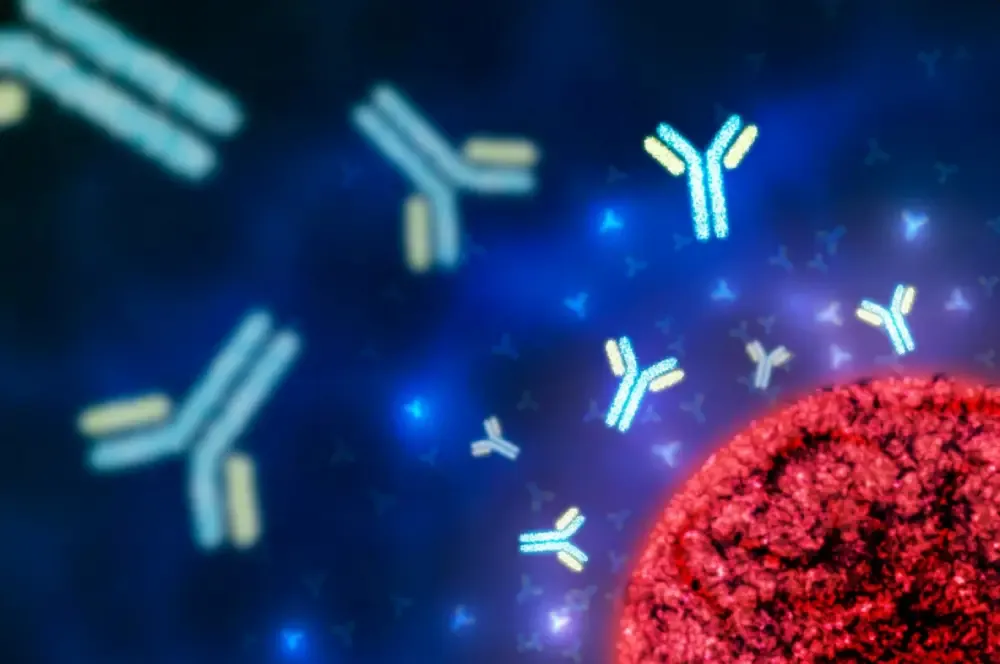
The allergy screen-infants/Phadiatop children test is a blood test designed to detect allergic sensitisation in young children below the age of five. It identifies specific IgE antibodies — immune proteins the body produces in response to allergy triggers — covering both food and airborne allergens relevant to early childhood. A small blood sample, collected from a vein or via heel prick, is tested in the laboratory. Doctors typically recommend this Phadiatop children test when an infant or toddler shows signs of allergic reactions that are difficult to explain.
What Does an Allergy Screen – Infants (<5 years)/Phadiatop Children Measure?
This test screens for IgE antibodies against a panel of allergens that are known to cause sensitisation in early childhood. The allergens covered fall into two broad groups.
Food allergens tested include:
- Cow's milk
- Hen's egg
- Peanut
- Shrimp
Inhalant (airborne) allergens tested include the following:
- House dust mite
- Cat epithelium and dander
- Dog dander
- Common silver birch pollen
- Timothy grass pollen
- Ragweed pollen
- Wall pellitory pollen
The test reports an overall result — positive or negative — rather than individual readings for each allergen. A positive result confirms that IgE sensitisation is present to at least one allergen in the panel.
Why is an Allergy Screen – Infants (<5 years)/Phadiatop Children Done?
Allergy-like symptoms are common in young children, and identifying their cause early can help parents and doctors manage them effectively. Here is when this test is typically recommended.
Common Symptoms That May Require This Test
The following symptoms in an infant or toddler may prompt a doctor to recommend this:
Allergy Screen-Infants/Phadiatop Children Test:
- Eczema (itchy, inflamed patches on the skin)
- Wheezing or noisy breathing
- Frequent sneezing or a persistently runny nose
- Skin rashes or hives after eating certain foods
- Itching of the eyes, skin, or throat
- Digestive problems such as vomiting or diarrhoea after feeding
- Repeated reactions of unclear origin
Conditions This Test Can Help Detect
This panel can help identify or support the diagnosis of the following conditions:
- Atopic dermatitis (eczema linked to allergic sensitisation)
- Food allergies, particularly to milk, egg, peanut, and shellfish
- Early signs of allergic rhinitis (hay fever)
- A predisposition towards asthma in later childhood, since children who develop eczema with detectable IgE antibodies to environmental allergens before age four are at a higher risk of developing rhinitis and asthma later
How to Prepare and What to Expect
No special preparation is needed for this test, but a few simple steps can make the experience easier for your child and ensure the sample is collected without issues.
Do You Need to Fast?
No fasting is required. Your child can eat and drink as normal before the Phadiatop children's test procedure. There are no dietary restrictions to follow.
Practical Tips Before Your Test
The following steps can help ensure a smooth experience:
- Bring a detailed clinical history including your child's symptoms, previous test results, and family history of allergies, as this is required for the test
- Tell your doctor about any medicines your child is currently taking, especially antihistamines, as these may influence results
- Apply a numbing cream to the collection site beforehand if your child is sensitive to needles (ask your doctor for guidance)
- Keep your child well-hydrated before the appointment
- Dress your child in loose, comfortable clothing with easy access to the arm
- Keep the child as calm as possible before the blood draw; bringing a toy or a favourite object can help
Step-by-Step Procedure
The Allergy Screen-Infants/Phadiatop children test procedure involves the following steps:
- You arrive at the collection centre, or a certified phlebotomist visits your home for sample collection.
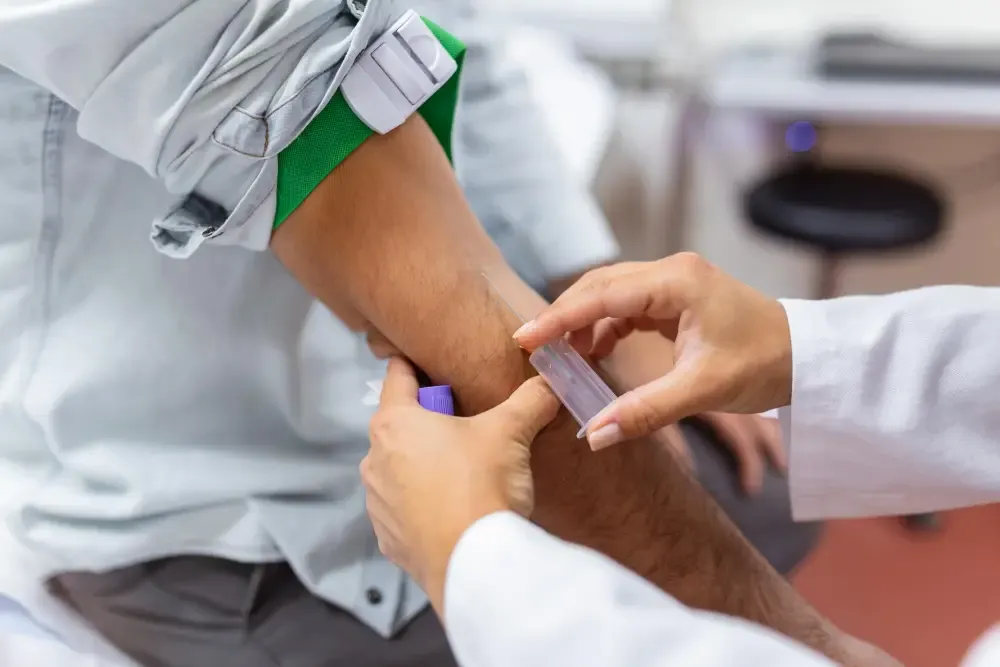
- The collection site is selected — typically a vein in the arm for older toddlers or the heel for very young infants.
- The area is cleaned with an antiseptic swab to prevent contamination.
- A small blood sample (approximately 3 ml) is collected using a fine needle or heel prick.
- Gentle pressure is applied to the site to stop any bleeding, followed by a small bandage.
- The sample is stored in a refrigerated gel tube and dispatched to the laboratory, where it is analysed using FEIA (Fluorescent Enzyme Immunoassay) technology.
Factors That Can Affect Accuracy
The following factors may influence the reliability of the result:
- The infant's age (very young infants may not yet have produced detectable antibody levels)
- Recent or ongoing exposure to allergens
- Certain medications, particularly antihistamines
- Parasitic infections, which can elevate total IgE levels independently of allergic sensitisation
- Severity of the child's underlying allergic condition
Understanding Your Allergy Screen – Infants (<5 years)/Phadiatop children Results
Results from this test are reported as either positive or negative. The table below outlines what each result means.
| Parameter | Result | Interpretation |
|---|---|---|
| Phadiatop Infant | Negative (less than 0.35 kUA/L) | No significant IgE sensitisation detected to allergens in the panel |
| Phadiatop Infant | Positive (0.35 kUA/L or above) | IgE sensitisation present to one or more allergens in the panel |
Disclaimer: These ranges are general guidelines. Your doctor will interpret your results based on your child's age, health history, and other factors. Always consult a qualified healthcare professional for personalised medical advice.
Results During Special Conditions
Certain conditions can affect IgE levels and should be considered when interpreting results:
- Children with eczema often have elevated IgE levels overall, which may influence the result.
- Parasitic infections can raise total IgE independently of true allergic sensitisation.
- Conditions such as asthma and primary immunodeficiency are also associated with high IgE levels.
A negative result does not always rule out an allergy. If the child's immune system has not yet produced antibodies at detectable levels, the result may appear negative even if sensitisation is developing.
How to Maintain Healthy Levels
These general wellness tips may help reduce allergen exposure for young children:
- Keep the home environment clean and well-ventilated to reduce dust mite and pet dander levels
- Speak to your paediatrician about whether breastfeeding or dietary choices may help reduce early-childhood allergy risk
- If specific allergens are identified, work with your doctor to create a practical plan to minimise your child's exposure
Lupin Diagnostics Allergy Screen-Infants (<5 years)/Phadiatop Children: Price and Home Collection
The Allergy Screen-Infants/Phadiatop children test is available at Lupin Diagnostics starting at ₹950, with home sample collection available across cities.
| City | Approximate Price (₹) |
|---|---|
| BHOPAL | 950 |
| CHENNAI | 950 |
| HYDERABAD | 950 |
| KOLKATA | 950 |
| NAVI MUMBAI | 950 |
| PUNE | 950 |
Disclaimer: Prices are indicative and may vary by location. Please confirm the current price at the time of booking.
How to Book
The following steps explain how to book this test:
- Select the Allergy Screen-Infants/Phadiatop children test on the Lupin Diagnostics website.
- Choose your city and preferred time slot.
- Opt for home sample collection by a certified phlebotomist, or visit your nearest Lupin Diagnostics centre.
- Receive your report via email or WhatsApp within the stipulated turnaround time.
Home Collection
Lupin Diagnostics offers home sample collection for this test across multiple cities, making it easier for parents to get their child tested without a clinic visit. All samples are processed in NABL-accredited laboratories by trained professionals. Digital reports are accessible via email or WhatsApp once ready.
Frequently Asked Questions
The Phadiatop children test is designed specifically for children below five years old. Unlike the standard Phadiatop test, which screens only for inhalant allergens, this panel includes both food allergens (such as milk and egg) and airborne allergens that are relevant to early childhood.
This test is suitable for infants and young children from a few months of age up to five years. The sample collection method (heel prick or venous draw) is chosen based on the child's age and the volume of blood needed.
No fasting is required. Your child can eat and drink normally before the test, and no other dietary preparation is needed.
The discomfort is minimal and similar to that of any routine blood test. Some children may feel a brief sting at the collection site. A numbing cream can be applied beforehand to reduce discomfort; ask your doctor for advice on this.
A positive result indicates that IgE antibodies to one or more allergens in the panel are present in the blood. This confirms allergic sensitisation, and your doctor will likely recommend further specific testing to identify the exact trigger and guide next steps.
Your child can still undergo the Allergy Screen-Infants test while taking antihistamines. However, inform your doctor about all current medications before the test, as some can affect the results and need to be considered during interpretation.
Bring a detailed clinical history covering your child's symptoms, any previous test results, and any family history of allergies or asthma. This information is required for the test and helps the doctor interpret the results accurately.