Allergy Screen-Adults (>5 Years)/Phadiatop Adult: Booking, Price, and Results
About Allergy Screen-Adults (>5 Years)/Phadiatop Adult: Booking, Price, and Results
| Field | Value |
|---|---|
| Also Known As | Phadiatop Test, Allergy Screening Panel, IgE Allergy Screen, Inhalant Allergy Panel, Atopy Screening Test |
| Sample Type | Venous blood (serum) |
| Fasting Required | No |
| Report Time | 3 to 6 days |
| Recommended For | Males and females aged above 5 years |
| Price | Starting at ₹950 |
What Is an Allergy Screen-Adults (>5 Years)/Phadiatop Adult?
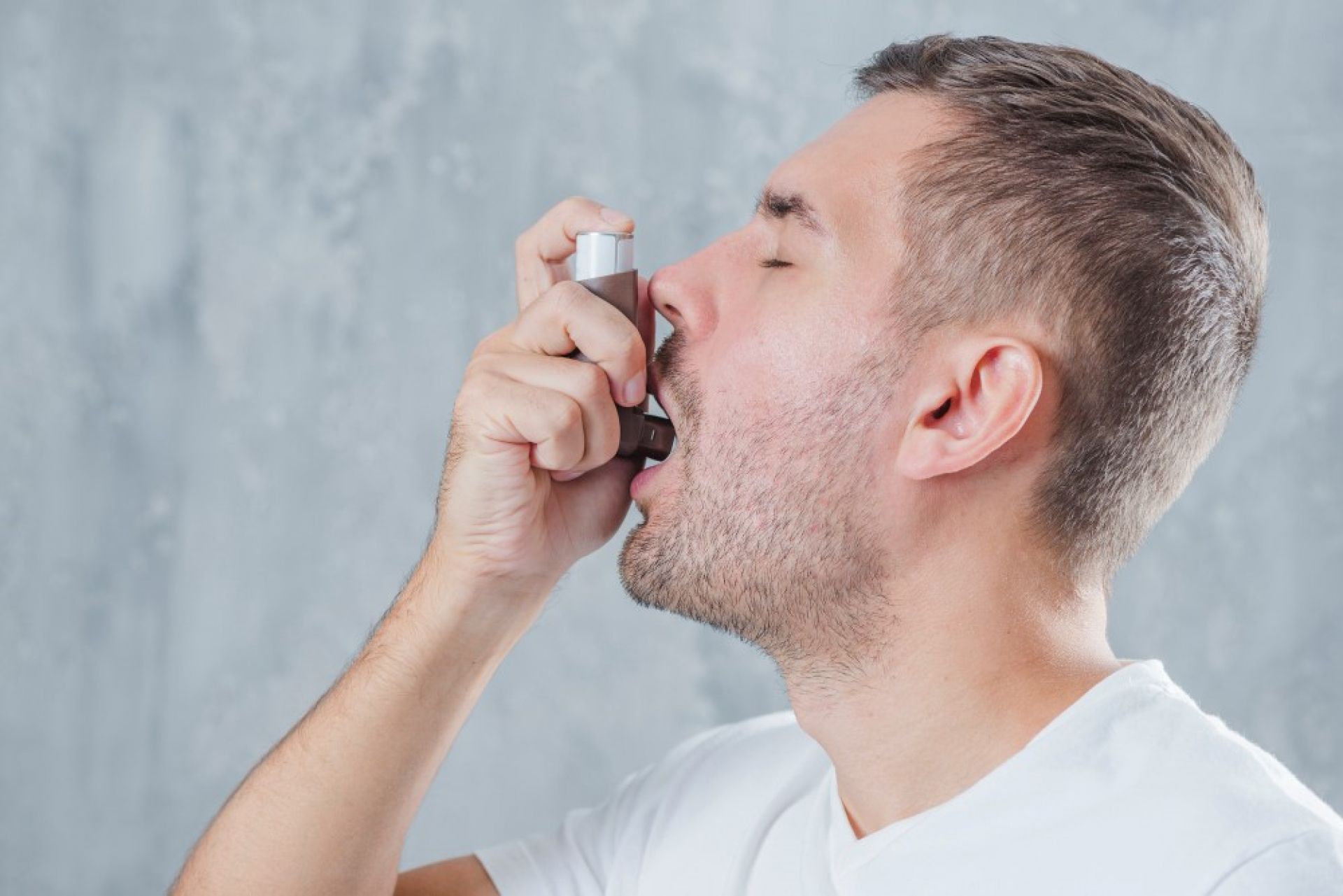
The Phadiatop Adult test is a blood-based screening tool that checks whether your immune system has produced specific antibodies (immunoglobulin E, or IgE) in response to common airborne substances such as pollen, dust mites, pet dander, and mould. It is typically ordered when a doctor suspects that sneezing, wheezing, or a persistent runny nose may be caused by an inhalant allergy. The test is also known as the Allergy Screen test or Atopy Screening Test, and it uses a small sample of blood drawn from a vein.
What Does an Allergy Screen-Adults (>5 Years)/Phadiatop Adult Measure?
The test detects the presence or absence of IgE antibodies directed at a carefully selected mixture of common inhalant allergens. These include grasses, trees, weeds, cat and dog dander, dust mites, and moulds. In some cases, a total IgE level is also measured alongside the screen.
The table below shows the key parameters and what each result means:
| Parameter | Result | Interpretation |
|---|---|---|
| Phadiatop (Inhalant allergen-specific IgE) | Negative | No sensitisation to tested inhalant allergens detected |
| Phadiatop (Inhalant allergen-specific IgE) | Positive | Sensitisation to one or more inhalant allergens present |
| Total IgE (Adult) | Less than 81 to 148 kU/L | Within the age-related reference range |
| Specific IgE | Less than 0.35 kUA/L | Negative (no sensitisation) |
| Specific IgE | 0.35 to 0.7 kUA/L | Weak positive |
| Specific IgE | Greater than 0.7 kUA/L | Positive (sensitisation present) |
Why Is an Allergy Screen-Adults (>5 Years)/Phadiatop Adult Done?
Doctors order this Allergy Panel test when a patient's symptoms suggest that the immune system may be reacting to inhaled substances in the environment. The sections below cover the main reasons it is prescribed.
Common Symptoms That May Require This Test
The following symptoms are among the most common reasons a doctor may recommend this screen:
- Frequent sneezing
- A runny or blocked nose that does not clear
- Watery, itchy, or red eyes
- Skin itching or hives
- Persistent cough or wheezing
- Difficulty breathing, especially indoors or during certain seasons
- General nasal congestion lasting several weeks
Conditions This Test Can Help Detect
The Allergy Screen test can help identify whether the following conditions are linked to an IgE-mediated allergic response:
- Allergic rhinitis (hay fever)
- Allergic bronchial asthma
- Atopic dermatitis (allergic eczema)
- Allergic bronchopulmonary aspergillosis
- Seasonal and perennial inhalant allergies
How to Prepare and What to Expect
No special preparation is needed for this test. The steps below explain what you should know before and during your sample collection.
Do You Need to Fast?
No, fasting is not required before this test. You can eat and drink as normal on the day of your appointment. If your doctor has ordered additional tests alongside this one, those may have different preparation requirements, so check with your healthcare provider.
Practical Tips Before Your Test
Keep the following in mind before your appointment:
- Drink enough water before your appointment; good hydration makes the blood draw easier.
- Tell your doctor about all medications you are currently taking, particularly antihistamines, as these may affect your results.
- Wear a short-sleeved top or clothing with sleeves that roll up easily to allow access to your arm.
- Continue your regular diet and daily routine as normal.
Step-by-Step Procedure
Here is what happens during sample collection:
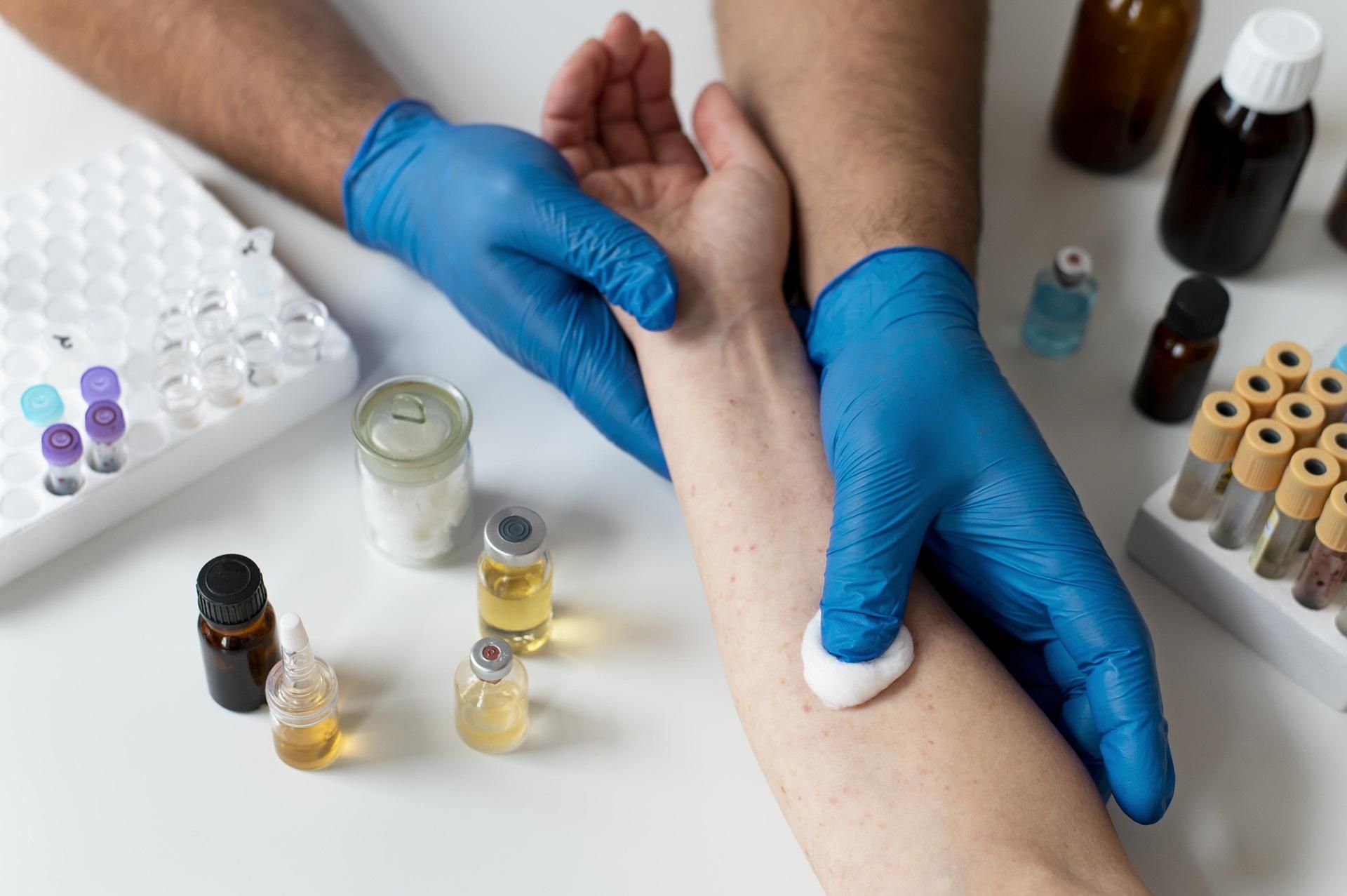
- A trained phlebotomist (the person who draws blood) will ask you to sit comfortably and expose your inner elbow area.
- They will clean the skin at the collection site with an antiseptic solution.
- An elastic band is tied around your upper arm to make the vein easier to locate.
- A small needle is gently inserted into the vein to draw a blood sample, which takes about five minutes.
- The needle is removed, and a small plaster is placed over the site.
- The sample is labelled and sent to the laboratory, where it is analysed using a fluorescent enzyme immunoassay method.
Factors That Can Affect Accuracy
Certain factors may influence your results. Be aware of the following:
- Taking antihistamines or immunosuppressant medications before the test
- Active parasitic infections, which can raise IgE levels independent of allergy
- Smoking, which is associated with higher total IgE readings
- Significant alcohol consumption, which has been linked to false-positive results
- A recent infection or period of illness
Understanding Your Allergy Screen-Adults (>5 Years)/Phadiatop Adult Results
Your result will be reported as positive or negative for the inhalant allergen mix. A positive finding means IgE antibodies against one or more of the tested allergens were detected; a negative finding means none were detected at measurable levels. Always review your results with your doctor, as the clinical picture matters as much as the number itself.
| Parameter | Normal/Negative | Positive/Elevated |
|---|---|---|
| Phadiatop | Negative | Positive |
| Total IgE (Adult) | Less than 81 to 148 kU/L | Above age-adjusted range |
| Specific IgE | Less than 0.35 kUA/L | 0.35 kUA/L and above |
These ranges are general guidelines. Your doctor will interpret your results based on your age, health history, and other factors. Always consult a qualified healthcare professional for personalised medical advice.
Results During Special Conditions
Some situations can affect IgE levels in ways unrelated to inhalant allergy. Your doctor will consider these when reviewing your results.
Parasitic infections and smoking can both raise total IgE levels, which may lead to a positive result even in the absence of a true inhalant allergy. Similarly, significant alcohol consumption has been associated with false-positive Phadiatop Adult test readings, so your doctor will factor in your overall health history.
How to Maintain Healthy Levels
General steps to reduce exposure to common inhalant allergens include:
- Identify known triggers in your home or workplace and minimise contact where possible (for example, using dust-mite-proof pillow covers or reducing pet access to bedrooms).
- Use an air purifier with a HEPA filter to lower indoor airborne allergen levels.
- Speak to an allergy specialist if symptoms continue, so that a suitable management plan can be put in place.
Lupin Diagnostics Allergy Screen-Adults (>5 Years)/Phadiatop Adult Price and Home Collection
The Allergy Panel test price at Lupin Diagnostics starts at approximately ₹950, and home sample collection is available across major cities. The table below provides city-wise indicative pricing based on aggregator data:
| City | Approximate Price (₹) |
|---|---|
| Mumbai | ₹950 |
| Bangalore | ₹950 |
| Pune | ₹950 |
| Hyderabad | ₹950 |
| Chennai | ₹950 |
| Kolkata | ₹950 |
Prices are indicative and may vary by location. Please confirm the current price at the time of booking.
How to Book
- Select the test on the Lupin Diagnostics website.
- Choose your city and preferred time slot.
- Opt for home sample collection by a certified phlebotomist, or visit your nearest Lupin Diagnostics centre.
- Receive your report via email or WhatsApp within the stipulated turnaround time.
Home Collection
Lupin Diagnostics offers home sample collection for this test across cities, so you do not need to visit a centre. All samples are processed in NABL-accredited laboratories staffed by experienced technologists. Your digital report is delivered via email or WhatsApp once ready.
Frequently Asked Questions
The Phadiatop Adult test screens the blood for IgE antibodies against a mixture of common inhalant allergens such as pollen, pet dander, dust mites, and moulds. It helps a doctor determine whether respiratory symptoms like sneezing, nasal congestion, or wheezing have an allergic cause.
The Allergy Panel test tells you whether sensitisation to inhalant allergens is present, but it does not identify the exact allergen responsible. A positive result will usually prompt your doctor to order further allergen-specific tests to pinpoint the trigger.
You do not need to stop any medications before the test, but you should inform your doctor about everything you are taking. Antihistamines in particular may affect the results, and your doctor may advise on timing based on your specific situation.
Published studies report a sensitivity of around 94.5% and a specificity of around 98.2% for the adult version of this test. While it has strong diagnostic accuracy, a positive result should always be reviewed alongside your symptoms and clinical history by a qualified doctor.
A negative result suggests that your symptoms are likely not caused by IgE-mediated sensitisation to the tested inhalant allergens. However, it does not completely rule out all forms of allergy, as the body may not always produce detectable antibody levels, and non-IgE-mediated reactions are not captured by this screen.
Yes. Parasitic infections, smoking, certain immune disorders, and, in rare cases, some types of cancer can all elevate IgE levels. This is why your doctor will consider your full medical history alongside your Allergy Screen test result rather than relying on the number alone.
This screen is intended for individuals above 5 years of age, including older children, teenagers, and adults. If a child is under 5 years old, a different age-appropriate allergy screening panel may be recommended by the treating doctor.
Allergy Screen-Adults (>5 Years)/Phadiatop Adult: Booking, Price, and Results