Book a Home Collection Now!
Tacrolimus Test (FK506): Price, Procedure, Normal Range, and Interpretation
July 10, 2026 - By Lupin Diagnostics
If you or a loved one has received an organ transplant, the tacrolimus test is likely a regular part of your follow-up care. Tacrolimus (also called FK506) is a vital immunosuppressive medication that helps prevent organ transplant rejection. However, it has a very narrow therapeutic window: too little risks rejection, too much risks toxicity. This article walks you through the test's purpose, procedure, normal range, and how to read your results.
What is a Tacrolimus Test and Why Does it Matter?
A FK506 blood test is a form of therapeutic drug monitoring (TDM). It measures the exact concentration of tacrolimus in your whole blood. Because tacrolimus has such a narrow therapeutic range, even small shifts in blood levels can make a big difference. Levels that are slightly too low may leave the transplanted organ vulnerable to rejection. Levels that creep too high can harm the kidneys and cause other side effects.
That is why transplant teams rely on regular immunosuppressant drug monitoring. The goal is to keep your levels in a "sweet spot": effective enough to protect the graft, yet safe enough to minimise harm. This test is typically ordered as a trough level measurement, which we explain next.
How Does the Tacrolimus Test Procedure Work?
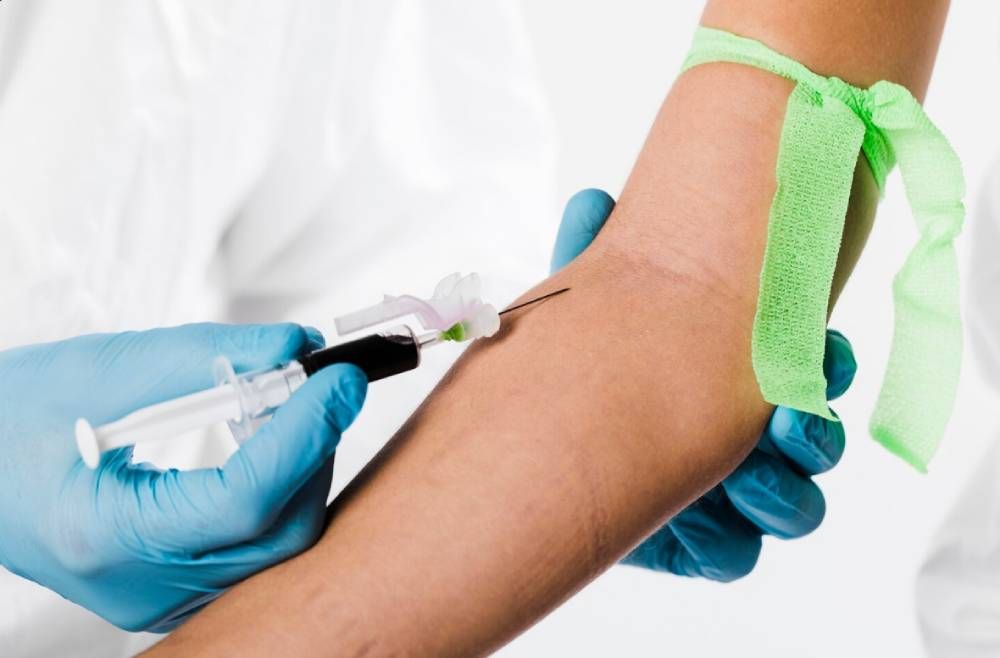
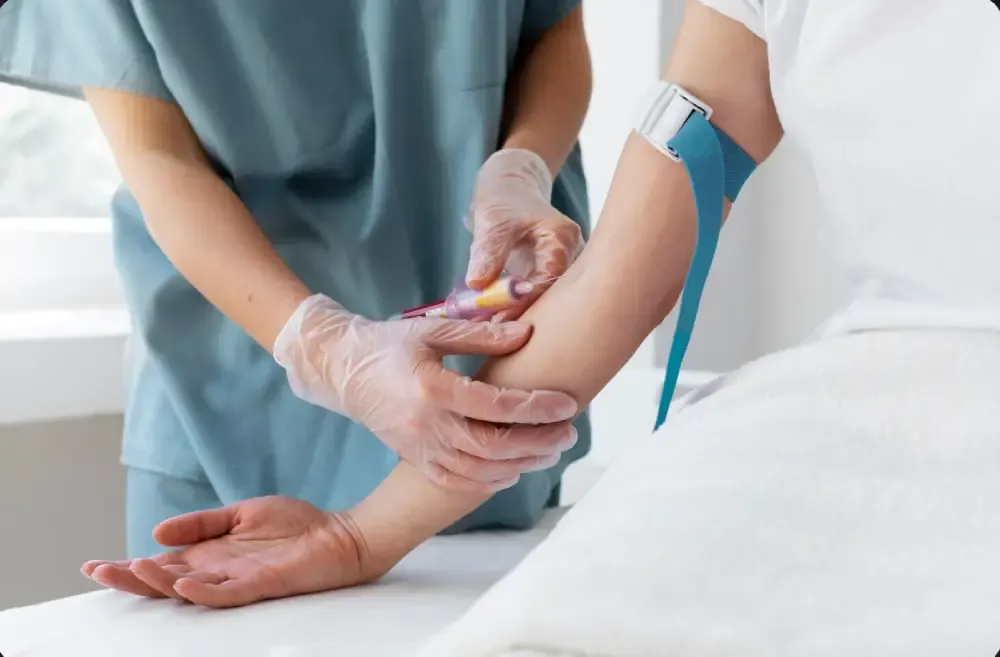
The tacrolimus test procedure centres on one critical rule: timing. The blood sample must be drawn at the drug's lowest concentration point. Here is what that means in practice:
- The 12-hour rule: Your blood is collected roughly 12 hours after your last dose and just before you take your next one. This captures the "trough" level.
- Skip the morning dose: Do not take your morning tacrolimus until after the blood draw. Taking it beforehand gives a falsely high reading.
- Whole blood only: The sample is collected in a standard tube from a vein. Serum or plasma samples are not acceptable for this test.
- Lab methods vary: Concentrations can be measured using chromatographic or immunoassay techniques. These methods are not directly interchangeable, so consistency matters.
Your transplant team will specify when and where to get the draw done. Always follow your doctor's instructions on dose timing before the test.
What is the Tacrolimus Test Normal Range?
The tacrolimus test normal range is not a single number. It varies by the organ transplanted and how much time has passed since surgery. In the early post-transplant period, doctors generally aim for higher levels. Over time, targets are gradually lowered to reduce long-term side effects.
Here is a general reference framework:
| Transplant Type | Early Post-Transplant (ng/mL) | Later Maintenance (ng/mL) |
|---|---|---|
| Kidney | 8–12 | 4–8 |
| Liver | 6–10 | 3–5 |
| Heart | 10–15 | 5–12 |
A more recent consensus recommends a target trough range of 4–12 ng/mL, with a preferred window of 7–12 ng/mL for many patients. Most centres aim to keep levels below 20 ng/mL overall. These ranges are general guidance — your transplant team may set different targets based on your specific clinical situation.
Tacrolimus Test Interpretation: What Do Your Results Mean?
Understanding your tacrolimus test interpretation starts with knowing whether your levels fall below, within, or above your target window.
What Do Low (Subtherapeutic) Levels Mean?
When tacrolimus levels dip below the target, immune suppression may be insufficient. This raises the risk of the body recognising the transplanted organ as foreign and mounting a rejection response. Key concerns include:
- Increased risk of acute rejection, especially in the early weeks after surgery.
- Greater vulnerability to graft damage that may be difficult to reverse.
- A possible need for dose adjustment by your transplant specialist.
What Do High (Toxic) Levels Mean?
Elevated levels bring a different set of risks. Tacrolimus toxicity symptoms can affect multiple organs. Watch for:
- Kidney damage (nephrotoxicity): This is the most common concern. It may cause a rise in serum creatinine and is usually reversible if caught early.
- Nervous system effects: Tremors, headaches, and other neurological signs.
- High blood pressure: Hypertension is a well-documented side effect at higher levels.
- Electrolyte imbalances: Including high potassium levels (hyperkalaemia).
Research suggests that every 10% increase in time spent within the therapeutic range is linked to a 28% lower risk of acute rejection. Staying in range truly matters. If your results are outside the expected window, never adjust your dose on your own — always consult your transplant specialist first.
How Much Does a Tacrolimus Test Cost in India?
The tacrolimus test price in India typically ranges from ₹1600 to ₹3500, depending on the city and laboratory. Since transplant recipients need this test frequently, sometimes multiple times a week, early on, costs can add up. Asking your diagnostic centre about bundled or routine monitoring packages may help reduce the long-term expense. NABL-accredited labs ensure reliable, standardised results across locations.
Keeping Your Levels in the Safe Zone
The tacrolimus test is one of the most important tools your transplant team uses to protect your new organ. Consistent trough level monitoring helps strike the right balance between preventing rejection and avoiding toxicity. Stick to your scheduled blood draws, follow dose-timing instructions carefully, and never change your medication without your specialist's guidance.
If you need regular tacrolimus monitoring, Lupin Diagnostics offers reliable testing at NABL-accredited labs and convenient home collection services across India. Speak with your transplant team about setting up a testing schedule that works for you.
Frequently Asked Questions
What happens if I accidentally take my morning dose of tacrolimus right before my scheduled blood draw?
The result will likely be inaccurate because the test is designed to measure the drug's lowest point in your blood. Inform your doctor and the lab so they can decide whether to repeat the test at the correct time.
Why does the target normal range for tacrolimus decline months or years after transplant?
Over time, the risk of acute rejection decreases while the risk of long-term side effects like kidney damage and high blood pressure rises. Lowering the target helps balance these competing concerns.
Can grapefruit juice or certain foods alter my tacrolimus levels?
Yes. Grapefruit contains compounds called furanocoumarins that can block an enzyme in the gut, causing tacrolimus levels to rise significantly. Your transplant team will likely advise you to avoid grapefruit entirely.
How often do transplant recipients need a tacrolimus test in the first month after surgery?
Monitoring is typically required multiple times per week during the first month. The exact frequency depends on your centre's protocol and how stable your levels are.
Can a routine urine test check tacrolimus levels?
A urine test cannot measure tacrolimus. A whole blood sample is always required. Serum or plasma samples are also not suitable for this test.
What is the difference between immediate-release and extended-release tacrolimus for testing?
Immediate-release tacrolimus is usually taken twice a day while extended-release capsules are taken once daily. Both these types of drugs have different absorption characteristics. The formulations are not interchangeable, so your doctor must know which form you take when interpreting results.
This article is for informational purposes only and does not substitute professional medical advice, diagnosis, or treatment. Always consult your transplant specialist or a qualified healthcare provider for guidance specific to your condition. Never adjust your immunosuppressant medication without medical supervision.
Featured Articles
Diabetes Screening For Diagnosis And Prevention
Posted on: 25th Oct 2023
Eating To Recover: The Best Foods For Getting Back On Your Feet After Cholera
Posted on: 22nd Jan 2026

What A Complete Blood Count (CBC) Tells You About Your Health
Posted on: 22nd Jan 2026