Book a Home Collection Now!
Lithium Test - Purpose, Results, and Normal Range
July 10, 2026 - By Lupin Diagnostics
If you or a loved one takes lithium for bipolar disorder, understanding the lithium test normal range matters more than you might think. Lithium is a trusted mood stabiliser, but it works within a remarkably slim safety window. This article explains what a lithium test is, why timing your blood draw is critical, and how to make sense of your results.
What Is a Lithium Test and Why Is It Needed?
If you or a loved one takes lithium for bipolar disorder, understanding the lithium test normal range matters more than you might think. Lithium is a trusted mood stabiliser, but it works within a remarkably slim safety window. This article explains what a lithium test is, why timing your blood draw is critical, and how to make sense of your results.
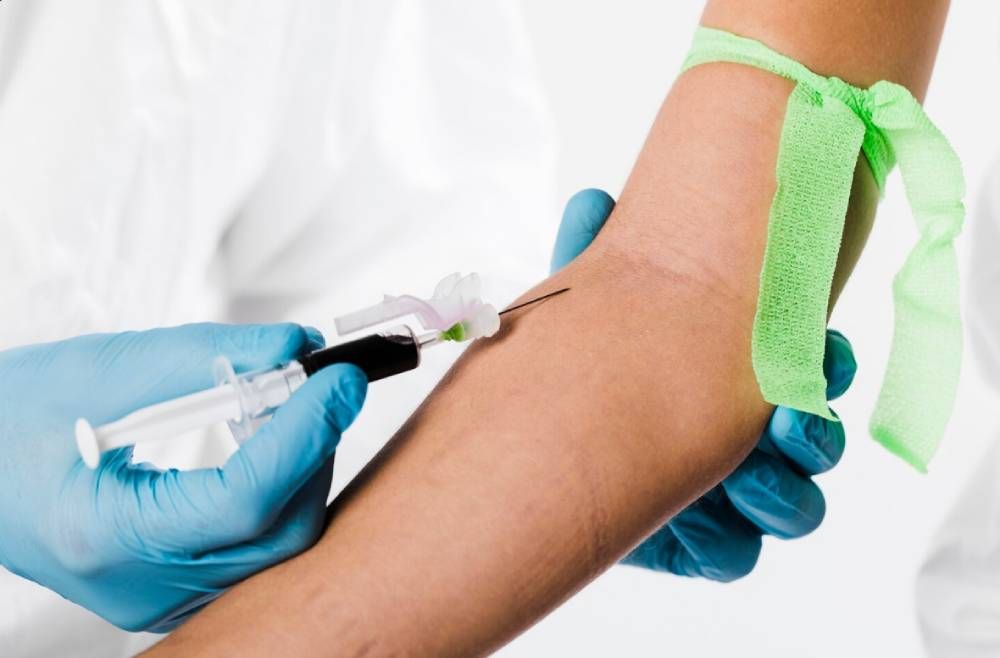
A lithium test is a simple blood test that measures how much lithium medicine is circulating in your bloodstream. It falls under therapeutic drug monitoring (TDM) — a process that helps doctors fine-tune your dose.
Why does this matter so much? Lithium has a narrow therapeutic index. The gap between an effective dose and a harmful one is incredibly small. Levels above 1.2 mmol/L can become toxic — even life-threatening. That is why regular monitoring is not optional. It is essential.
During the initial weeks, your doctor may order this test every one to two weeks. Once stable levels are reached, testing continues every two to three months for at least six months. Your doctor will decide the monitoring schedule based on your individual needs.
How Does Blood Collection Timing Affect Lithium Test Results?
Timing your blood draw correctly is just as important as the test itself. The standard practice is to measure a "trough" level — the lowest point of the medicine in your blood.
Here is how it works. Take your lithium dose in the evening. The next morning, go for the blood test before taking your morning dose. This gives a window of roughly 8 to 12 hours after your last dose.
Lithium concentration fluctuates significantly between doses. Drawing blood at the wrong time can give a falsely high or low reading, leading to unnecessary dose changes.
What Is the Lithium Test Normal Range?
The therapeutic range sits within a narrow band. Here is a quick breakdown of the serum lithium level targets your doctor typically works with:
| Clinical Goal | Target Range (mEq/L) |
|---|---|
| Acute manic episodes | 0.8–1.2 |
| Bipolar disorder maintenance | 0.6–0.8 |
| Toxicity threshold | ≥ 1.5 |
These numbers may look simple, but they carry real weight. A reading of 0.5 mEq/L might leave symptoms uncontrolled. A reading of 1.6 mEq/L could trigger lithium toxicity symptoms. The safe zone in between is narrow. Your treating psychiatrist will determine the ideal target range for your specific situation.
How Should You Interpret Your Lithium Test Results?
Your lithium test results will fall into one of three zones. Each one tells a different story.
Subtherapeutic Levels (Below Target)
When levels dip too low, the medicine may not work effectively. This raises the risk of mood episodes returning — whether manic or depressive. Levels below 0.4 mmol/L are generally considered ineffective. If your report shows numbers in this range, your doctor may adjust the dose upward.
Toxic Levels (Above Target)
Levels at or above 1.5 mEq/L enter the danger zone. Mild toxicity typically shows up between 1.5 and 2.5 mmol/L.
Early warning signs of mild toxicity include:
- Hand tremors or muscle weakness
- Nausea, vomiting, or drowsiness
- Slurred speech or unsteady walking
- Agitation or unusual restlessness
Severe poisoning — at higher levels — can cause seizures or even coma. If you notice any of these signs, seek medical attention without delay.
Why Do Doctors Monitor Thyroid and Kidney Function Too?
Lithium does not just affect mood. Over time, it can impact kidney and thyroid function as well. That is why your doctor will likely order companion tests alongside your routine lithium blood test.
The minimum recommended panel includes:
- eGFR or serum creatinine — to track kidney health
- TSH (Thyroid Stimulating Hormone) — to catch thyroid changes early
- Serum calcium — since lithium can affect calcium balance
These additional checks help your medical team spot problems early, long before symptoms appear. Discuss the frequency of these tests with your healthcare provider.
Staying Safe With Proactive Monitoring
A stable lithium routine depends entirely on consistent, timely blood tests. The lithium test normal range is narrow, but staying within it is achievable with proper medical supervision. Every dose adjustment should be guided by your treating psychiatrist — never self-adjusted.
If you need to get your lithium levels or related kidney and thyroid panels checked, Lupin Diagnostics offers convenient testing at NABL-accredited labs and home collection services across India.
Frequently Asked Questions
How often does a patient need to take a lithium blood test when starting therapy?
During the initial phase, testing is typically done every one to two weeks until stable therapeutic levels are reached. After that, your doctor may space it out to every two to three months.
Can drinking too little water or excessive sweating cause your lithium levels to spike?
Yes. Dehydration from heavy sweating, diarrhoea, or fever reduces the body's ability to clear lithium, raising the risk of toxicity.
Do common over-the-counter painkillers like ibuprofen interact with lithium levels?
Ibuprofen can raise plasma lithium levels by roughly 15% and reduce kidney clearance of lithium by about 19%. Always inform your doctor about any medicines you take.
What are the earliest physical signs of mild lithium toxicity that patients should watch out for?
Tremors, muscle weakness, agitation, and exaggerated reflexes are among the earliest signs. Nausea and drowsiness may also appear.
Can a patient take their morning dose of lithium right before arriving at the lab for a blood draw?
It is best not to. The standard practice is to take your evening dose and have blood drawn the next morning before your morning dose, to get an accurate trough reading.
Why do doctors frequently check thyroid function alongside a regular lithium blood test?
Lithium can affect thyroid function over time. Regular TSH monitoring helps detect any thyroid changes early, allowing timely intervention.
This article is for informational purposes only and does not replace professional medical advice, diagnosis, or treatment. Always consult a qualified healthcare provider for any medical concerns or before making changes to your medication or health routine.
Featured Articles
Diabetes Screening For Diagnosis And Prevention
Posted on: 25th Oct 2023

Eating To Recover: The Best Foods For Getting Back On Your Feet After Cholera
Posted on: 22nd Jan 2026

What A Complete Blood Count (CBC) Tells You About Your Health
Posted on: 22nd Jan 2026