Book a Home Collection Now!
Cholinesterase Test: Purpose, Normal Range and Price
July 16, 2026 - By Lupin Diagnostics
Every time you move a muscle or take a breath, a chemical messenger called acetylcholine carries the signal from nerve to muscle. The cholinesterase test normal range indicates to your doctor whether the enzymes that regulate this messenger are functioning as they should. This article covers what the test measures, why it matters, and what your results mean.
What is a Cholinesterase Test?
A cholinesterase test is a simple blood test that checks the activity of two closely related enzymes. Both break down acetylcholine, but they sit in different parts of the body.
Here is how they differ:
- Acetylcholinesterase (AChE) lives in red blood cells and nerve tissue. It acts right at the nerve-muscle junction.
- Pseudocholinesterase (BChE), also called serum butyrylcholinesterase, is made by the liver. It circulates freely in blood plasma.
Because the liver produces pseudocholinesterase, this enzyme also doubles as a liver synthetic function test. A sharp drop may hint at liver trouble before routine liver panels flag anything.
What Is the Cholinesterase Test Purpose?
Doctors order this test for a few specific reasons. It is not part of a routine health check-up. Rather, it helps answer targeted clinical questions.
Common reasons a physician may request it include:
- Organophosphate poisoning screening after suspected contact with pesticides or herbicides commonly used in farming.
- Evaluating occupational risk for agricultural labourers regularly exposed to insecticides.
- Investigating advanced liver disease, malnutrition, or chronic illness.
Pre-Surgical Genetic Screening
Some people inherit a condition in which their bodies cannot break down certain muscle relaxants, such as succinylcholine. This is called pseudocholinesterase deficiency. If undetected before surgery, it can cause prolonged paralysis and breathing failure after anaesthesia.
That is why neuromuscular block monitoring starts with this test for at-risk patients. Family members of anyone diagnosed are also encouraged to get tested.
If you have a family history of unusual reactions to anaesthesia, share this with your doctor before any planned procedure.
What is the Cholinesterase Test Normal Range?
Reference values can shift slightly depending on the lab method used. Establishing a personal baseline makes future readings far more meaningful. The table below shows standard adult benchmarks:
| Enzyme Type | Standard Adult Range | Clinical Significance |
|---|---|---|
| RBC Acetylcholinesterase | > 97 kU/L | Reflects chronic exposure; slow to recover |
| Plasma Pseudocholinesterase | 3,100–6,500 U/L | Low values may point to liver disease, malnutrition, or toxic exposure |
These ranges are indicative. Always have a qualified doctor interpret your blood test report.
Interpreting Your Test Results: High vs. Low Levels
When reading your cholinesterase test results, low values raise the most concern clinically.
Causes and Symptoms of Low Levels
A drop in cholinesterase activity can result from several conditions:
- Toxic chemical exposure to organophosphate or carbamate pesticides
- Severe liver cirrhosis or chronic malnutrition
- Inherited pseudocholinesterase deficiency
- Ongoing inflammation, sepsis, or malignancy
In acute organophosphate toxicity, symptoms may include muscle twitching, pinpoint pupils, excessive salivation, diarrhoea, vomiting, and respiratory distress.
Seek immediate medical attention if you suspect pesticide poisoning.
When Are Levels High?
Elevated cholinesterase is uncommon. It has been observed alongside conditions like hyperthyroidism, type 2 diabetes, nephrotic syndrome, fatty liver, and obesity. Your doctor will assess these findings within your overall health picture.
The Lab Protocol: What to Expect
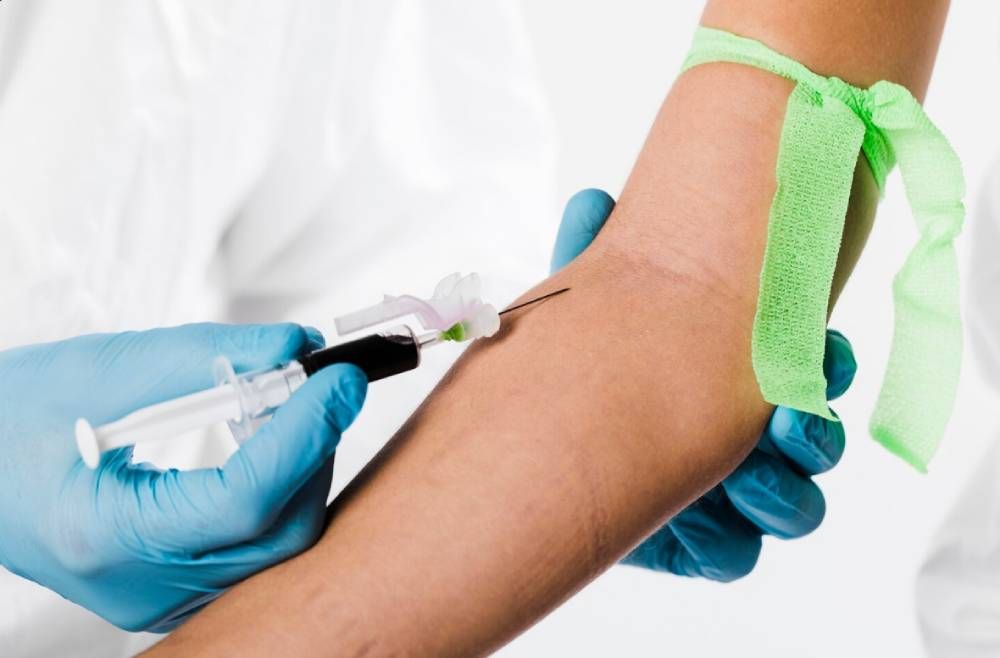
Getting tested is straightforward. A technician draws blood from a vein, usually at the inner elbow or back of your hand. No fasting or special preparation is needed.
If you work around pesticides, keep these tips in mind:
- Get a baseline reading during the off-season, when you have had no recent chemical contact
- Repeat the test periodically so your doctor can spot trends early
- Carry your baseline report to every follow-up visit
Cost Guide: Cholinesterase Test Price Expectations
The cholinesterase test price at private diagnostic labs in India generally falls between ₹450 and ₹3,000. The variation depends on your city, the lab's accreditation, and whether the test is part of a larger toxic chemical exposure panel. Hospital-based toxicology panels may cost more.
Check with your lab or insurer for exact pricing in your area.
Conclusion
Your cholinesterase levels offer a window into nerve function, liver health, and potential toxin exposure. For farm workers, factory employees, and anyone facing surgery with certain muscle relaxants, this simple blood test can be genuinely life-saving. If you fall into a high-risk group, ask your doctor about establishing a baseline today.
If you would like to get your cholinesterase levels checked, Lupin Diagnostics offers a wide range of tests at NABL-accredited labs and convenient home collection services across India.
FAQs
How many weeks or months does it typically take for depressed red blood cell cholinesterase levels to return to normal after toxic chemical exposure?
RBC acetylcholinesterase can stay low for one to three months after organophosphate exposure. Plasma pseudocholinesterase tends to recover faster, often within a few weeks.
Can a person pass a standard liver panel test but still register dangerously low plasma pseudocholinesterase results?
Yes. Pseudocholinesterase reflects the liver's protein-making ability and may decline before standard liver enzymes show any abnormality.
Why is an unexpected family history of prolonged muscle paralysis after minor surgery a crucial reason to get this lab test?
Pseudocholinesterase deficiency has a strong genetic component. If a relative experienced prolonged paralysis after anaesthesia, you may carry the same inherited variant and should get screened before surgery.
What are the most common everyday medications or chemical compounds that can artificially alter my cholinesterase test results?
Liver disease, malnutrition, alcoholism, early pregnancy, cocaine, and organic mercury exposure can all lower cholinesterase levels independently of pesticide contact.
Does long-term, low-grade exposure to common domestic garden insect sprays show up clearly on this specific enzyme panel?
Regular monitoring of RBC acetylcholinesterase can help identify potential exposure. However, chronic low-level exposures are less well characterised than acute poisoning events.
Are there any specific dietary adjustments, supplements, or lifestyle steps that can naturally increase low serum cholinesterase activity?
Serum cholinesterase reflects nutritional status and the liver's protein synthesis capacity. Improving overall nutrition may support recovery, but no specific supplement has proven clinical efficacy for raising levels. Your doctor can recommend a tailored plan.
This article is for informational purposes only and does not replace professional medical advice, diagnosis, or treatment. If you have concerns about pesticide exposure, upcoming surgery, or abnormal test results, please consult a qualified healthcare provider.
Featured Articles
Diabetes Screening For Diagnosis And Prevention
Posted on: 25th Oct 2023

Eating To Recover: The Best Foods For Getting Back On Your Feet After Cholera
Posted on: 22nd Jan 2026

What A Complete Blood Count (CBC) Tells You About Your Health
Posted on: 22nd Jan 2026