Book a Home Collection Now!
What Is a BNP Test? Results, Normal, High, and Levels
June 2, 2026 - By Lupin Diagnostics
When your heart works harder than it should, it releases a telling signal into your blood. A BNP test measures that signal and helps doctors gauge how much strain your heart is under. This simple blood test has become a cornerstone in emergency rooms and cardiology clinics alike. Here is everything you need to know about what it measures, what your results mean, and when to get tested.
What Is a BNP Test and How Does It Work?
B-type natriuretic peptide (BNP) is a hormone produced mainly by your heart's lower chambers (ventricles). In a healthy heart, it comes mainly from the upper chambers (atria). But when the lower chambers (ventricles) are under stress, BNP production rises sharply.
This hormone has a clear job. It signals your kidneys to flush out extra salt and water. It also widens blood vessels, which helps lower blood pressure. Think of it as your heart's built-in pressure relief system.
When doctors measure BNP levels via a blood draw, higher levels indicate greater cardiac wall stress. That single reading offers a quick snapshot of how hard your heart is working.
Why Do Doctors Order a BNP Test?
Doctors rely on this test in several key situations. The most common reasons include:
- Diagnosing acute heart failure in patients who arrive breathless at the emergency room
- Assessing the severity of chronic heart disease over time
- Tracking treatment response to see if medicines are working
- Risk assessment before major cardiac procedures
International guidelines recommend BNP testing because it has a strong ability to rule out heart failure when levels are low. That makes it valuable as a heart failure biomarker in both emergency and outpatient settings.
Symptoms That Call for Immediate Testing
Certain warning signs prompt doctors to order this test urgently:
- Unexplained breathlessness, especially while lying flat
- Persistent dry cough with no obvious respiratory cause
- Chronic fatigue that rest does not improve
- Rapid swelling (oedema) in the ankles, feet, or neck veins
These symptoms form the classic triad linked to heart failure. However, they are not exclusive to heart conditions, which is why a BNP blood test helps narrow the diagnosis.
BNP vs. NT-proBNP: What Is the Difference?
Many labs run NT-proBNP levels instead of BNP. Both come from the same parent molecule. When your heart releases proBNP, it splits into active BNP and an inactive fragment called NT-proBNP.
The key difference is stability. BNP lasts roughly 20 minutes in your blood, whereas NT-proBNP stays around for about 120 minutes. Because it lingers longer, NT-proBNP readings run approximately six times higher than BNP readings. Their normal baselines differ vastly, so you cannot compare the two numbers directly.
For NT-proBNP, normal thresholds also shift with age. Under 50, values below 450 pg/mL are typical. Over 50, values up to 900 pg/mL may still be within range.
What Does the BNP Test Procedure Involve, and What Does It Cost?
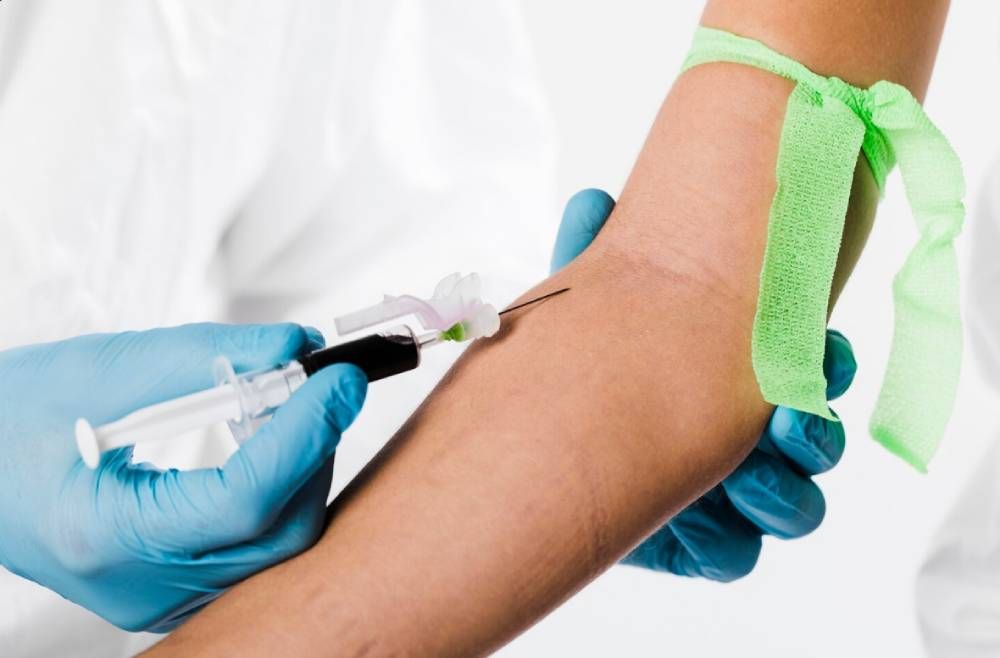
Getting tested is straightforward. A technician draws a small blood sample from a vein in your arm. You do not need to fast or do any special preparation. This makes the test ideal for quick emergency room screens.
Results from point-of-care devices arrive within minutes. Traditional hospital laboratories may take up to a day. In India, a standard BNP test typically costs between ₹2,000 and ₹3,000. The NT-proBNP version ranges from ₹3,500 to ₹4,600 across major diagnostic providers.
What Is the BNP Test Normal Range?
Understanding your BNP blood test results starts with one key number. In emergency settings, a BNP below 100 pg/mL generally rules out heart failure. For outpatient check-ups, the threshold drops to below 35 pg/mL. The BNP test normal range also shifts with age and sex.
Here is a quick reference for interpreting your BNP test normal levels:
| BNP Level (pg/mL) | What It Suggests |
|---|---|
| Below 100 | Heart failure unlikely in emergency settings |
| 100 to 400 | Possible heart strain; further evaluation needed |
| Above 400 | High probability of significant heart failure |
These ranges are general guides. Your doctor will interpret the results alongside your symptoms, medical history, and other test results.
Values above 100 pg/mL warrant further assessment for signs of cardiac disease. BNP can also rise in conditions beyond left ventricular stretch, including right ventricular failure, heart attacks, and valve problems.
Non-Cardiac Causes of High BNP Levels
Several non-cardiac factors can push BNP levels higher:
- Chronic kidney disease (reduced kidney function slows BNP clearance)
- Pulmonary embolism (blood clot in the lungs)
- Severe infections like sepsis
- Chronic obstructive lung disease
- Advanced age and diabetes
Interpreting elevated BNP requires extra care in patients with multiple health conditions. A single high reading does not automatically confirm heart failure.
Keeping Track of Your Heart Health
Monitoring your BNP test results within normal ranges gives you a clear window into how hard your heart is working. Whether your doctor orders this test to diagnose a new symptom or track an existing condition, understanding your results empowers you to take timely action. Elevated BNP and NT-proBNP values are linked to higher risks of major cardiovascular events. Early detection through a BNP test can make a real difference.
If you have been experiencing breathlessness, fatigue, or swelling, consider getting your levels checked. Lupin Diagnostics offers a wide range of cardiac tests at NABL-accredited labs across India, with home collection services for your convenience.
Frequently Asked Questions
Can you have a high BNP test result without having heart failure?
Yes. Conditions like right ventricular failure, heart valve disease, kidney disease, lung infections, and sepsis can all raise BNP levels. Your doctor will consider your full clinical picture before reaching a diagnosis.
How quickly can a lab process a BNP blood test?
Point-of-care devices return results within minutes. Standard hospital laboratory processing may take up to a day, depending on the facility.
Can anxiety or a panic attack raise my BNP levels?
Research has found that patients experiencing chest pain and breathlessness during a panic attack can show elevated pro-BNP levels. However, these elevations are typically mild compared to heart failure readings.
Does a normal BNP test result completely rule out heart problems?
A low BNP value (below 100 pg/mL in emergency settings) can safely exclude heart failure. However, it does not rule out every possible cardiac condition. Your doctor may recommend additional tests if symptoms persist.
Can medications lower my high BNP test results over time?
Certain heart failure medicines, including diuretics and vasodilators, can reduce BNP concentrations. Your cardiologist will track your levels over time to assess treatment response. Always follow your doctor's guidance regarding any changes to your medication.
This article is for informational and educational purposes only. It does not substitute professional medical advice, diagnosis, or treatment. If you have concerns about your heart health or BNP levels, please consult a qualified healthcare provider for personalised guidance.
Featured Articles
Diabetes Screening For Diagnosis And Prevention
Posted on: 25th Oct 2023

Eating To Recover: The Best Foods For Getting Back On Your Feet After Cholera
Posted on: 22nd Jan 2026

What A Complete Blood Count (CBC) Tells You About Your Health
Posted on: 22nd Jan 2026