Book a Home Collection Now!
Vitamin D Test: Purpose, Price, Normal Range & Results
May 29, 2026 - By Lupin Diagnostics
Even in a sun-drenched country like India, vitamin D deficiency remains surprisingly common. A vitamin D test helps you find out exactly where your levels stand. This simple blood test can reveal whether your bones, muscles, and immune system are getting the support they need. This guide covers what a vitamin D test is, why your doctor may order one, how to read your results, and what the numbers actually mean for your health.
What Is a Vitamin D Test and Why Does It Matter?
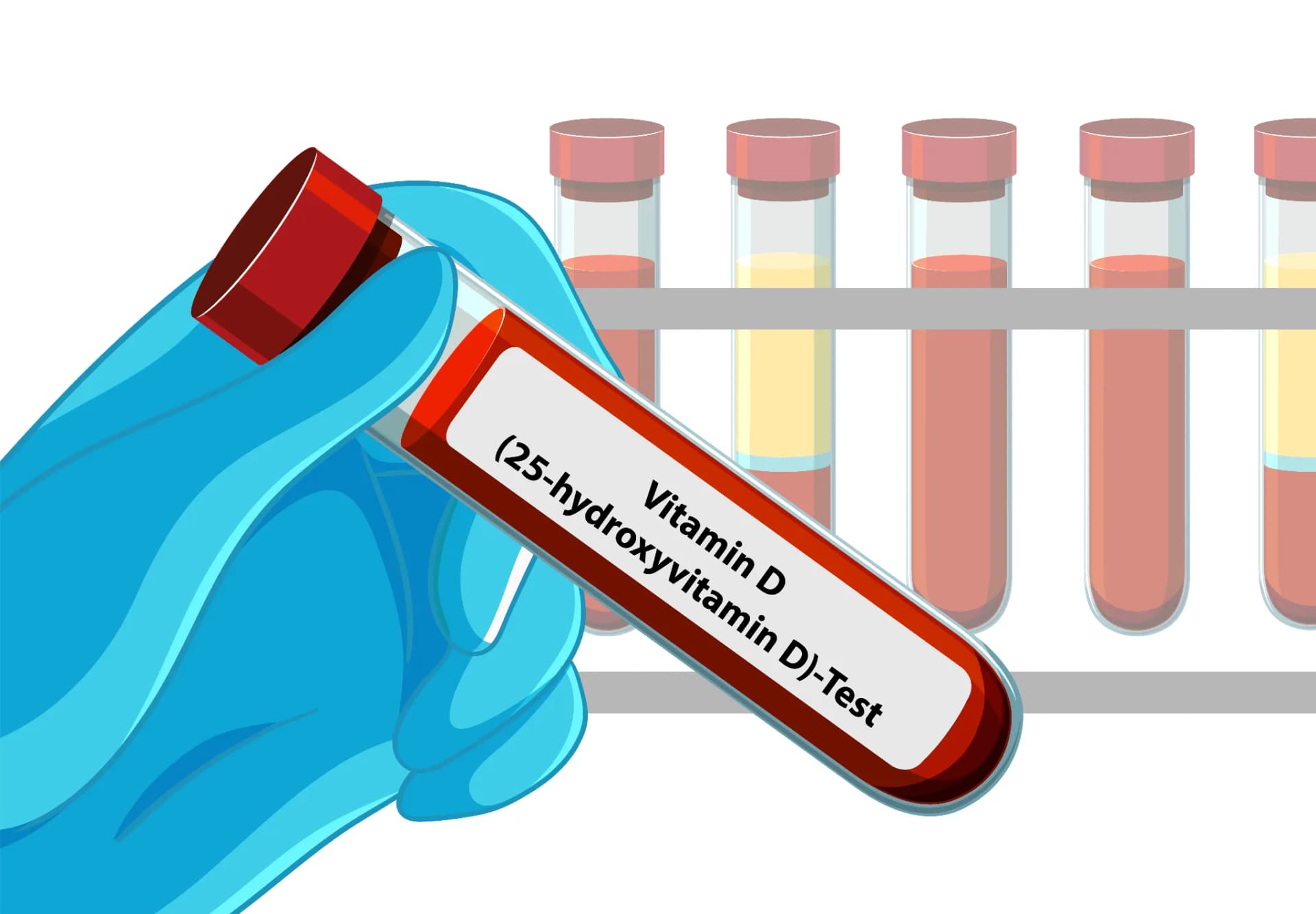
A 25-hydroxyvitamin D test measures the amount of vitamin D circulating in your blood. This form, also called calcidiol, is the most accurate marker of your body's vitamin D reserves. Your body needs vitamin D to absorb calcium tests, build strong bones, and keep your immune system working smoothly.
The test goes by several names. You might see it listed as a cholecalciferol test or an ergocalciferol test. Regardless of the label, it checks the same thing: your total vitamin D status.
What Is the Vitamin D Test Purpose?
The vitamin D test purpose is to help doctors understand how much vitamin D is present in your body and whether it is at a healthy level. Doctors recommend this test for several clinical reasons:
- Evaluating bone health to help diagnose conditions like osteoporosis, rickets, or osteomalacia
- Tracking absorption issues in people with gastrointestinal conditions such as coeliac or Crohn's disease
- Monitoring supplementation to check whether vitamin D3 supplements are working effectively
- Investigating chronic symptoms like persistent bone pain or unexplained fatigue
Which Symptoms Suggest You Need Testing?
Certain physical signs may point to low vitamin D. Watch for these red flags:
- Persistent muscle weakness or cramps
- Constant, unexplained tiredness
- Getting sick or picking up infections unusually often
- Low mood or depressed feelings that linger
If you notice several of these symptoms together, speak with your doctor about whether testing is right for you.
What Should You Expect During a Vitamin D Test Procedure?
The process is quick and straightforward. A healthcare professional draws a small blood sample from a vein in your arm. The entire procedure takes just a few minutes.
Here is what to keep in mind:
- Fasting is usually not required. However, if your lab is running a full calcium panel alongside, they may suggest fasting for 4 to 8 hours
- Mention all supplements and medicines you are currently taking, especially vitamin D tablets
What Is the Vitamin D Test Normal Range?
Your report will show the vitamin D test normal range in nanograms per millilitre (ng/mL) or nanomoles per litre (nmol/L). Here is how labs typically classify those numbers:
| Category | Level (ng/mL) | Level (nmol/L) | What It Means |
|---|---|---|---|
| Deficient | <12 | <30 | Significantly low; needs medical attention |
| Insufficient | 12 to <20 | 30 to <50 | Below optimal; improvement recommended |
| Sufficient | ≥20 | ≥50 | Healthy range for most adults |
| Potentially Toxic | >50 | >125 | Risk of calcium buildup in blood |
Keep in mind that different labs may use slightly different cutoffs. Always compare your report against the reference range printed on it.
Interpreting Vitamin D Test Results and Next Steps
Your vitamin D test results tell a clear story once you know the benchmarks. A reading below 20 ng/mL typically means your reserves are low enough to need attention. Your doctor may recommend prescription-strength cholecalciferol to bring levels up. Any supplementation plan should be guided by a qualified healthcare professional.
On the other end, readings above 100 ng/mL can signal vitamin D toxicity. This may lead to hypercalcaemia, a condition where excess calcium builds up in your blood. Symptoms can include confusion, nausea, excessive thirst, and muscle weakness. This is rare and usually linked to over-supplementation, not sunlight or food.
How Much Does a Vitamin D Test Price Range Across Labs?
The vitamin D test price in India generally falls between ₹1,200 and ₹2,500. The variation depends on the laboratory, city, and type of assay used. Many diagnostic centres bundle this test into comprehensive health check-up packages, which can bring the cost down.
Also Read: The Role Of Vitamin K In Your Health Insights From A Vitamin K Test
How Can You Optimise Your Vitamin D Levels Safely?
Small, consistent habits can help maintain healthy levels:
- Sunlight: About 15 minutes of midday sun on bare skin helps your body produce vitamin D naturally
- Food sources: Egg yolks, fatty fish like rawas or surmai, and fortified milk or dairy products are good dietary options
- Supplements: If your levels are low, your doctor may suggest a daily dose. Pairing vitamin D with vitamin K2 may support better calcium absorption into bones
- Retest wisely: After starting supplementation, wait at least 2 to 3 months before rechecking your levels
Always discuss supplement choices with your doctor before starting or changing any regimen.
Track Your Levels, Take Charge of Your Health
A single vitamin D test can replace months of guesswork about your bone density, energy, and immunity. Whether your levels need a boost or just a routine check, knowing your numbers puts you in control. Consider making it part of your annual health check-up.
If you would like to get your vitamin D levels checked, Lupin Diagnostics offers this test at NABL-accredited labs and through convenient home sample collection services across India.
Frequently asked questions
1. What is the most ideal normal value for a vitamin D test?
The Endocrine Society considers 40 to 60 ng/mL the preferred range for optimal health. A level above 30 ng/mL is generally considered sufficient for most adults.
2. Should I pause my morning vitamin D supplements on the day of my test?
The 25-hydroxyvitamin D marker reflects your long-term stores, so a single morning dose is unlikely to affect results. That said, some providers recommend skipping it on the test day for consistency.
3. What is the difference between a vitamin D test and a vitamin D3 test?
They typically refer to the same test. The standard 25-hydroxyvitamin D test measures both D2 and D3 forms together, giving a complete picture of your vitamin D status.
4. Can low vitamin D values cause severe muscle and joint pain?
Yes. Prolonged deficiency is linked to bone pain, muscle aches, and generalised weakness. About 33% of deficient individuals report bone and joint discomfort.
5. How often should I check my vitamin D blood levels?
After starting or adjusting supplementation, retest after 2 to 3 months. Once your levels are stable, an annual check is usually enough for ongoing monitoring.
Disclaimer
This article is for informational purposes only and does not substitute professional medical advice, diagnosis, or treatment. Please consult a qualified healthcare provider for any concerns about your vitamin D levels or overall health.
Featured Articles
Diabetes Screening For Diagnosis And Prevention
Posted on: 25th Oct 2023

Eating To Recover: The Best Foods For Getting Back On Your Feet After Cholera
Posted on: 22nd Jan 2026

What A Complete Blood Count (CBC) Tells You About Your Health
Posted on: 22nd Jan 2026