Book a Home Collection Now!
Type 1 vs Type 2 Diabetes: Symptoms, Causes, and Diagnosis
June 4, 2026 - By Lupin Diagnostics
India has 101 million people living with diabetes. That staggering number makes understanding type 1 vs type 2 diabetes essential for nearly every family. Both types affect how your body manages blood sugar, yet they differ sharply in their causes, symptoms, and treatment. This article breaks down those differences between type 1 and type 2 diabetes so you can have better-informed conversations with your doctor.
What Is Type 1 Diabetes?
Think of insulin as a key that unlocks your cells, letting sugar in for energy. In type 1 diabetes, the body's immune system mistakenly destroys the cells that make this key. The pancreas then produces little to no insulin.
Because the body cannot make its own insulin, people with type 1 diabetes need daily insulin, either through injections or a pump, for life. This type often appears in childhood or adolescence, though it can develop at any age. Currently, neither its exact cause nor a way to prevent it is known.
What Is Type 2 Diabetes — and How Does It Develop?
Type 2 diabetes works differently. Here, your body still makes insulin, but the cells stop responding to it properly. This is called insulin resistance. The pancreas tries to compensate by producing extra insulin. Over time, it simply cannot keep up, and blood sugar levels climb.
Over 90% of all diabetes cases worldwide are type 2. It develops gradually and is often linked to factors such as excess weight, physical inactivity, and family history. The encouraging part? Type 2 diabetes is often preventable through lifestyle changes.
How Do Type 1 and Type 2 Diabetes Differ?
Here is a quick comparison to see the core distinctions at a glance:
| Feature | Type 1 Diabetes | Type 2 Diabetes |
|---|---|---|
| Core Problem | The immune system destroys insulin-producing cells | Cells resist insulin; the pancreas gradually weakens |
| Typical Onset | Often childhood or adolescence | Usually adulthood (increasingly seen in younger people) |
| Body Weight Link | Not typically associated with weight | Strongly linked to being overweight and obesity |
| Insulin Needed? | Always — from diagnosis | Sometimes — usually in later stages |
| Preventable? | Not currently | Often preventable with lifestyle changes |
Both types, if unmanaged, can lead to serious complications. Your doctor can help determine the right management plan for your specific situation.
What Are the Symptoms and Causes of Each Type?
Symptoms to Watch For
Type 1 symptoms tend to appear suddenly. A helpful way to remember them is the "4Ts": Toilet (frequent urination), Thirsty, Tired, and Thinner (unexplained weight loss). These signs can escalate within days or weeks.
Type 2 symptoms, by contrast, may take years to become noticeable. Frequent urination and increased thirst occur in both types. However, many people with type 2 diabetes live undiagnosed because the symptoms creep in so gradually.
Causes and Risk Factors
The causes behind type 1 diabetes remain unclear. Possible triggers include autoimmune reactions, genetic predisposition, and environmental factors.
Type 2 diabetes has better-understood risk factors:
- Excess body weight or obesity
- A sedentary lifestyle with limited physical activity
- Family history of diabetes
- Tobacco use and excess alcohol consumption
How Are These Types Diagnosed and Managed?
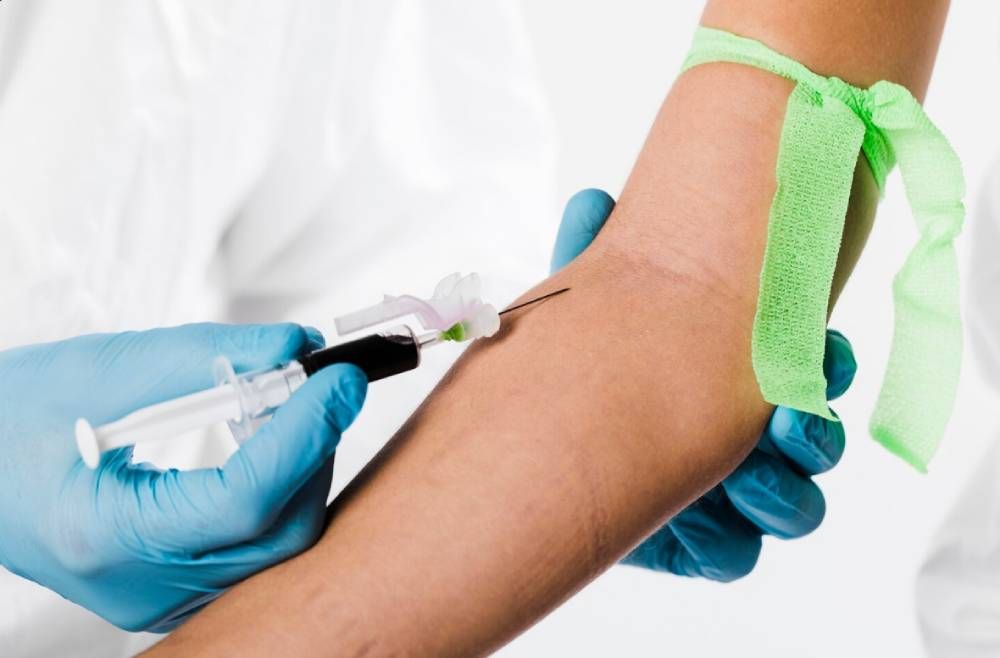
Diagnostic Tests
Doctors typically use these standard tests to confirm diabetes:
- HbA1c Test: Measures average blood sugar over 2–3 months. A value of 6.5% or above suggests diabetes.
- Fasting Plasma Glucose Test: Checks blood sugar after an overnight fast.
- Oral Glucose Tolerance Test: Measures blood sugar before and after drinking a glucose solution.
To distinguish between the two types, a C-peptide test is particularly useful. C-peptide reflects how much insulin your pancreas makes. People with type 1 typically have levels around 0.2 ng/mL, while those with type 2 typically have levels around 2.4 ng/mL. Diagnosis should always be confirmed by a qualified healthcare professional.
Management Approaches
Type 1 diabetes requires lifelong external insulin. Type 2 management often begins with dietary changes, regular exercise, and oral medications. Insulin may be added later if needed. Research has shown that structured weight-loss programmes helped nearly half of participants with type 2 diabetes achieve remission. Any changes to your treatment plan should be discussed with your doctor first.
Moving Forward With Clarity
While both types affect blood sugar, their biological pathways are distinct. Type 1 is an autoimmune condition needing lifelong insulin. Type 2 is often linked to lifestyle factors and may even be reversible in some cases. Understanding type 1 vs type 2 diabetes helps you ask the right questions and take timely action.
If you or a family member would like to get blood sugar or HbA1c levels checked, Lupin Diagnostics offers reliable testing at NABL-accredited labs and convenient home collection services across India.
Frequently Asked Questions
Can Type 2 diabetes turn into Type 1 diabetes over time?
They cannot convert into each other. Type 1 involves autoimmune destruction of insulin-producing cells, while type 2 involves insulin resistance. These are fundamentally different conditions.
Is Type 1 diabetes more severe than Type 2 diabetes?
Both types can lead to serious complications if not managed well. Type 1 always requires insulin, whereas type 2 may initially respond to lifestyle changes and oral medications.
Can you prevent Type 1 diabetes through lifestyle changes?
Currently, type 1 diabetes cannot be prevented. Its exact cause remains unknown, and no established prevention method exists.
Why is Type 2 diabetes sometimes misdiagnosed as Type 1 (and vice versa)?
Some adults develop a slow-progressing form of type 1 called Latent Autoimmune Diabetes in Adults (LADA), which initially resembles type 2. Rising obesity rates across all age groups further blur the clinical picture.
Can Type 2 diabetes be put into complete remission?
Research shows that structured diet and weight-loss programmes have helped some participants achieve remission, particularly those who lost significant weight early on.
What is the C-peptide test, and how does it help in diabetes diagnosis?
This blood test measures how much insulin your pancreas produces. Low C-peptide levels point towards type 1 diabetes, while normal or elevated levels suggest type 2.
This article is for informational and educational purposes only. It is not a substitute for professional medical advice, diagnosis, or treatment. Always consult a qualified healthcare provider for any questions regarding a medical condition or before making changes to your health routine.
Featured Articles

Dehydrated How To Make A Lifesaving Diy Rehydration Drink For Cholera Recovery
Posted on: 22nd Jan 2026
Diabetes Screening For Diagnosis And Prevention
Posted on: 25th Oct 2023

Eating To Recover: The Best Foods For Getting Back On Your Feet After Cholera
Posted on: 22nd Jan 2026