Book a Home Collection Now!
Transform Your Home Simple Ergonomic Hacks For Arthritis Friendly Living
August 11, 2025 - By Lupin Diagnostics
Living with arthritis does not mean surrendering comfort and mobility at home. The right environment can be one of the most powerful tools for managing joint pain and preserving independence. This guide explores practical, low-cost home modifications, ergonomic aids, and adaptive tools that can turn your home into a space of comfort and accessibility.
From door handles to kitchen tools, these room-by-room changes are designed to support joint health, improve daily functionality, and fit a wide range of needs and budgets.
Why Ergonomics Matter for Arthritis
Ergonomics focuses on designing environments and tools that reduce strain and maximize efficiency. For people with arthritis, this means:
- Reducing repetitive joint stress
- Improving safety and ease of movement
- Maintaining energy and independence
Joint pain, stiffness, swelling, and limited range of motion can make simple tasks painful. Thoughtful ergonomic adjustments reduce strain and support long-term joint health.
How to Diagnose Arthritis
If joint pain persists, it may be time to consider arthritis testing. Common diagnostic tools include:
- Rheumatoid Factor (RF) Test and Anti-CCP Antibody Test for autoimmune arthritis
- ESR and CRP blood tests for inflammation
- X-rays and MRI scans to assess joint damage
Early diagnosis helps guide both medical treatment and home adaptations.
Kitchen Modifications for Joint Ease
The kitchen is often a major source of joint strain. Small upgrades can make a significant difference:
- Electric can openers to reduce wrist and finger strain
- Wide, soft-grip kitchen tools such as spoons, peelers, and knives
- Pull-out drawers instead of fixed shelves
- Counter-height stools to reduce standing time
- Jar openers to assist weak grip strength
Anti-fatigue mats under sinks and prep areas help cushion joints and reduce back and leg pain.
Bathroom Safety and Accessibility
Bathrooms can be high-risk areas due to water and tight spaces. Improve safety with:
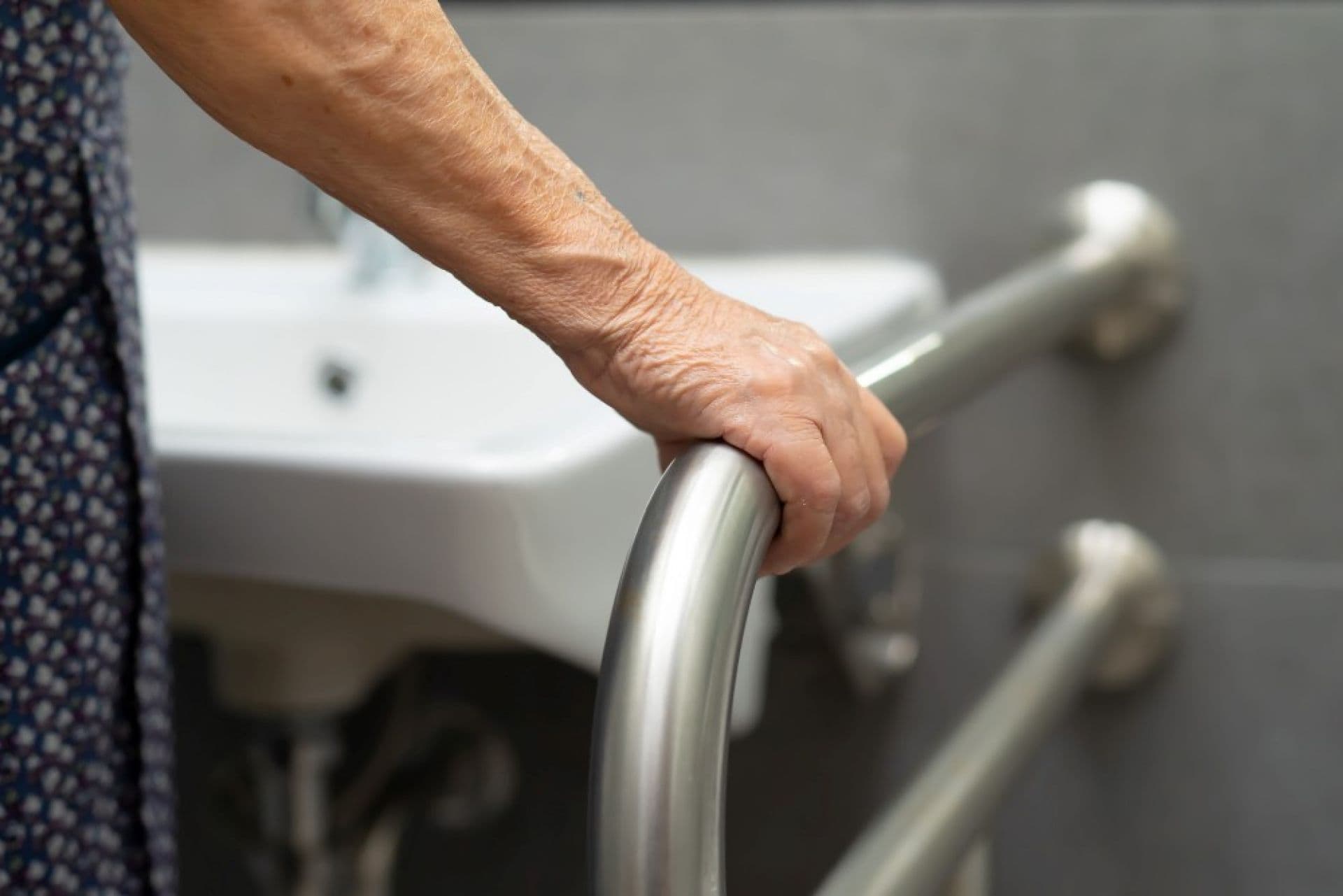
- Grab bars near toilets and showers
- Shower chairs and hand-held shower heads
- Raised toilet seats to reduce knee strain
- Lever-style faucets instead of twist knobs
- Non-slip mats for added traction
Living Room Comfort and Mobility
Create a joint-friendly living space that supports relaxation:
- Recliners with adjustable height and footrests
- Remote-controlled blinds or curtains
- Firm, supportive seating
- Touch or rocker-style lamp switches
- Chair risers or lift cushions
Ensure walkways are wide, clutter-free, and well-lit to reduce fall risk.
Bedroom Ergonomics for Better Sleep
Quality sleep is essential for managing inflammation. Consider these changes:
- Adjustable beds to elevate legs or upper body
- Orthopedic pillows for neck and spine support
- Mattress toppers for pressure relief
- Bed rails or assist handles for safe transfers
Keep bedside essentials within arm’s reach to minimize nighttime movement.
Adaptive Tools for Everyday Tasks
Adaptive tools can significantly reduce pain and increase independence:
- Button hooks and zipper aids for dressing
- Sock aids and long-handled shoe horns
- Easy-grip pens, phones, and utensils
- Styluses for touchscreen devices
- Voice assistants for hands-free control of lights and appliances
Smart Home Technology for Accessibility
Smart-home features can further reduce physical strain:
- Motion-sensor lighting
- Voice- or app-controlled thermostats
- Automated door locks
- Robot vacuum cleaners
Floors, Stairs, and Entryways
Safe navigation throughout the home is essential:
- Install ramps or railings on stairs
- Remove loose rugs and use anti-slip flooring
- Use lever handles on all doors
- Add motion-sensor lighting in hallways
- Install threshold ramps between rooms
Arthritis-Friendly Home Office
Workspaces should minimize strain and fatigue:
- Adjustable chairs with lumbar support
- Monitors and keyboards positioned at eye level
- Ergonomic mouse devices and wrist supports
- Frequently used items placed within easy reach
- Footrests to reduce hip and back pressure
Involve an Occupational Therapist
An occupational therapist can assess your home and recommend personalized modifications, including:
- Assistive device selection
- Safe techniques for daily activities
- Tools tailored to your arthritis type and severity
Creating an arthritis-friendly home does not require major renovations. Simple changes such as lever handles, wide-grip tools, and grab bars can significantly improve comfort, safety, and independence.
Your home should support your health, not challenge it. With thoughtful adjustments, you can reclaim comfort and confidence, one room at a time.
Featured Articles

Diabetes Screening For Diagnosis And Prevention
Posted on: 25th Oct 2023

Eating To Recover: The Best Foods For Getting Back On Your Feet After Cholera
Posted on: 22nd Jan 2026

What A Complete Blood Count (CBC) Tells You About Your Health
Posted on: 22nd Jan 2026