Book a Home Collection Now!
Top Brain Boosting Foods That May Help Delay Cognitive Decline
September 12, 2025 - By Lupin Diagnostics
Cognitive decline is a gradual loss of memory, reasoning, and thinking ability. It may begin subtly but can progress to conditions such as Alzheimer’s disease. While age and genetics play a role, growing evidence shows that diet strongly influences how the brain ages.
Incorporating cognitive health foods into daily meals can support memory, enhance focus, and help slow Alzheimer’s-related deterioration.
How Diet Influences Brain Health Over Time
Why Nutrition Matters for Cognitive Performance
The brain is metabolically demanding, consuming nearly 20 percent of the body’s energy. Optimal brain function requires a steady supply of omega-3 fatty acids, antioxidants, vitamins, and minerals. These nutrients support neurotransmitter production, neuronal membrane integrity, and protection against oxidative damage.
Poor nutrition increases oxidative stress and inflammation, both key contributors to neurodegeneration. According to the Lancet Commission on Dementia Prevention, diet is a major modifiable risk factor influencing dementia development.
The Link Between Diet and Alzheimer’s-Related Decline
Diets high in processed foods, refined sugars, and unhealthy fats are associated with faster cognitive decline. In contrast, diets rich in vegetables, nuts, berries, and fatty fish are linked to slower cognitive aging and improved memory.
What Is an Anti-Inflammatory Brain Diet?
How Inflammation Accelerates Cognitive Decline
Chronic inflammation disrupts the blood–brain barrier, impairs synaptic plasticity, and contributes to beta-amyloid plaque formation, a hallmark of Alzheimer’s disease.
An anti-inflammatory brain diet supplies antioxidants, polyphenols, and healthy fats that counteract inflammation and oxidative stress in brain tissue.
Key Foods That Fight Brain Inflammation
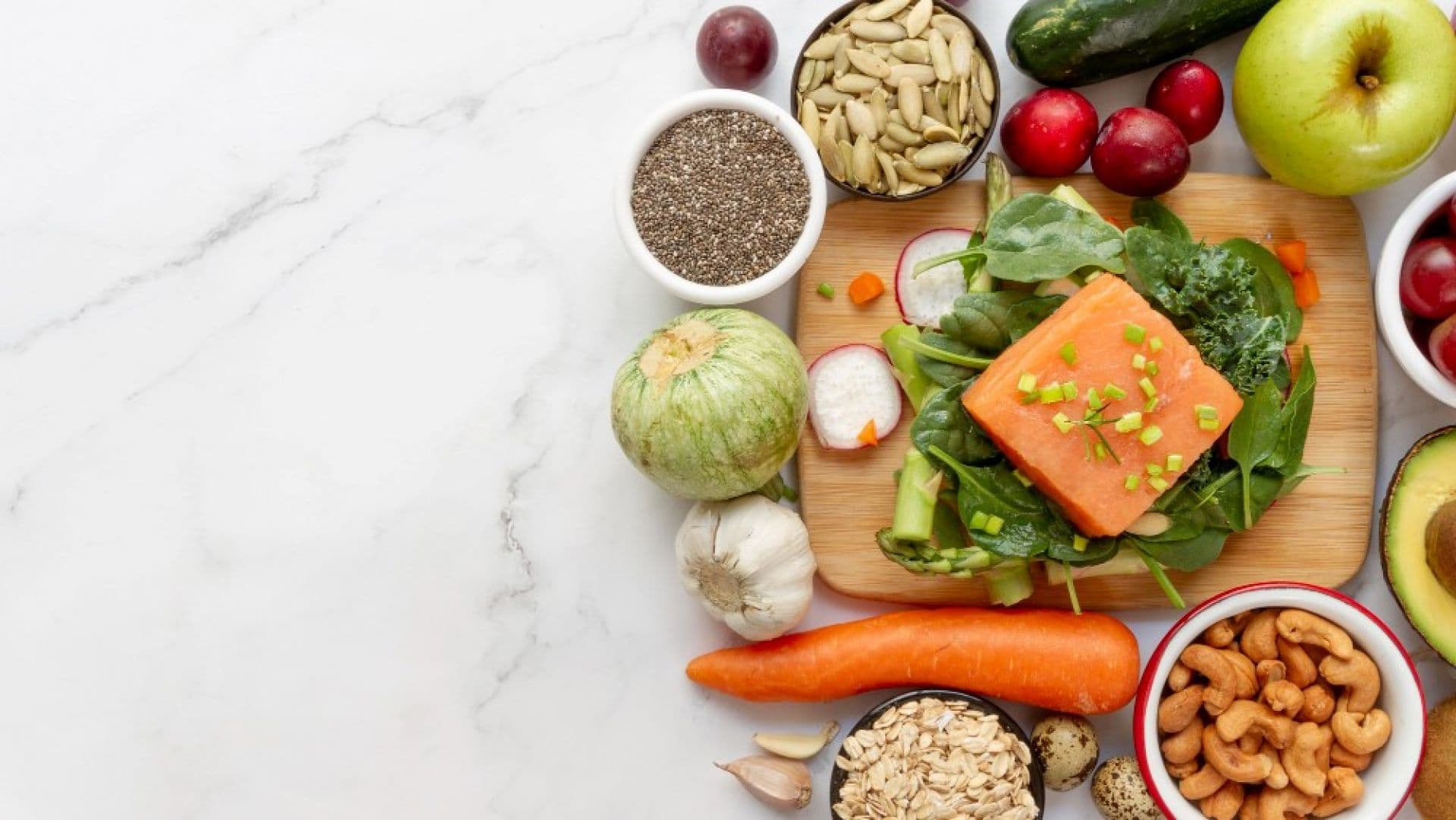
- Fatty fish rich in omega-3 fatty acids (EPA and DHA)
- Berries containing flavonoids and anthocyanins
- Leafy green vegetables high in folate and vitamin K
- Olive oil rich in monounsaturated fats and polyphenols
- Turmeric containing curcumin
These foods support brain signaling, improve blood flow, and strengthen memory function.
Neuroprotective Foods That Support Memory and Focus
Turmeric for Reducing Brain Inflammation
Turmeric contains curcumin, a powerful antioxidant and anti-inflammatory compound. Curcumin crosses the blood–brain barrier and may reduce amyloid plaque buildup while supporting neurogenesis.
Regular turmeric intake may provide long-term protection for memory and cognition.
Berries for Antioxidant Protection
Berries such as blueberries, strawberries, and blackberries are rich in flavonoids that protect brain cells from oxidative stress.
Research indicates that regular berry consumption may delay cognitive aging by several years.
Green Tea for Alertness and Mental Clarity
Green tea contains L-theanine and catechins that support calm focus, protect neurons, and enhance brain connectivity.
Regular green tea intake has been associated with improved working memory and attention.
Omega-3–Rich Foods for Brain Cell Health
Omega-3 fatty acids, particularly DHA, are essential for brain structure and communication. They:
- Support neurotransmitter signaling
- Improve memory and mood
- Reduce neuroinflammation
Excellent sources include fatty fish, flaxseeds, chia seeds, walnuts, and algae-based supplements.
How These Foods May Help Delay Cognitive Decline
Improving Blood Flow and Brain Oxygenation
Foods such as berries, green tea, and omega-3s improve vascular health, ensuring better oxygen and nutrient delivery to the brain.
Supporting Nerve Cell Communication
Polyphenols and omega-3 fatty acids enhance synaptic plasticity, supporting learning, memory retention, and emotional regulation.
Slowing Alzheimer’s-Related Symptom Progression
Long-term studies show that diets rich in neuroprotective foods are associated with slower cognitive decline and improved daily functioning.
The Role of Cognitive Testing in Brain Health
Why Early Tracking of Cognitive Changes Matters
Subtle changes in memory and attention often go unnoticed until daily functioning is affected. Early assessment helps:
- Identify early cognitive impairment
- Monitor changes over time
- Guide preventive strategies
- Provide reassurance and clarity
What the Cognitive Function Test Involves
A Cognitive Function Test evaluates:
- Short-term memory
- Attention and concentration
- Language comprehension
- Executive function
The test is non-invasive, quick, and suitable for adults over 40 experiencing memory or focus concerns.
Combining Diet With Brain Health Screening
Nutrition works best when paired with medical monitoring. Combining an anti-inflammatory brain diet with Cognitive Function Tests enables a personalized and proactive brain health strategy.
Putting Together a Brain-Healthy Eating Plan
Simple Ways to Add Neuroprotective Foods
- Add turmeric to dals, soups, or warm milk
- Snack on berries or walnuts instead of processed foods
- Use olive oil in place of butter
- Replace sugary drinks with green tea
- Add chia or flaxseeds to smoothies
Sample Daily Brain-Healthy Meal Plan
- Breakfast: Oats with blueberries, chia seeds, and almond milk
- Lunch: Grilled salmon with quinoa and steamed spinach
- Snack: Green tea with dark chocolate (70 percent cocoa)
- Dinner: Vegetable curry with turmeric, brown rice, and olive oil–based salad
Pairing Nutrition With Other Brain-Boosting Habits
- Exercise: Enhances blood flow and neurogenesis
- Mental stimulation: Reading, puzzles, or learning new skills
- Social interaction: Reduces dementia risk
- Sleep quality: Poor sleep is linked to amyloid accumulation
Feed Your Brain, Protect Your Future
Food is one of the most powerful tools in Alzheimer’s prevention. Anti-inflammatory brain diets rich in turmeric, berries, green tea, and omega-3s nourish the brain and build resilience against cognitive decline.
Combining smart nutrition with early screening empowers you to protect your cognitive future, starting today.
Featured Articles

Diabetes Screening For Diagnosis And Prevention
Posted on: 25th Oct 2023
Eating To Recover: The Best Foods For Getting Back On Your Feet After Cholera
Posted on: 22nd Jan 2026

What A Complete Blood Count (CBC) Tells You About Your Health
Posted on: 22nd Jan 2026