Book a Home Collection Now!
Stress And Arthritis How Your Mind Can Help Or Hurt Your Joint Pain And What To Do
August 11, 2024 - By Lupin Diagnostics
Living with arthritis often feels like a full-time job. But what many don’t realize is that pain isn't just physical, your mind plays a powerful role. In fact, stress and emotional strain can intensify arthritis symptoms, leading to worse pain, longer flare-ups, and greater fatigue.
In this guide, we explore the deep connection between stress and arthritis pain, the science behind it, and actionable strategies, like mindfulness, relaxation, and mental health support, to help you regain control.
How Stress Worsens Arthritis Pain
Chronic stress activates the body’s fight-or-flight response. This leads to the release of cortisol and pro-inflammatory cytokines, both of which can increase joint inflammation. For people with arthritis, especially autoimmune types like rheumatoid arthritis or ankylosing spondylitis, this biochemical storm can worsen pain, swelling, and fatigue.
Stress also disrupts sleep, lowers pain tolerance, and makes you more sensitive to discomfort. Mental tension can lead to tightened muscles, postural imbalances, and poor self-care behaviors, further compounding joint pain. Moreover, stress can influence how we eat, move, and engage with medical care. Skipping medications, eating inflammatory foods, or avoiding gentle movement due to fatigue can all set off a downward spiral.
Recent studies show that stress hormones like cortisol, when persistently elevated, may interfere with the body's ability to regulate inflammation effectively. For individuals already battling an overactive immune response, this imbalance becomes a major trigger for arthritis flares.
The Mind-Body Loop: A Two-Way Street
Pain and stress have a cyclical relationship. Pain causes stress. Stress increases pain. This loop can spiral into depression, anxiety, and even isolation. Studies have shown that patients with arthritis who suffer from mood disorders report higher pain scores and worse functional ability.
This means that managing your mental health isn’t just a wellness goal, it is part of your treatment plan. Stress reduction techniques not only improve your mental health but also contribute to better outcomes in arthritis disease activity.
What is the Role of Arthritis Testing
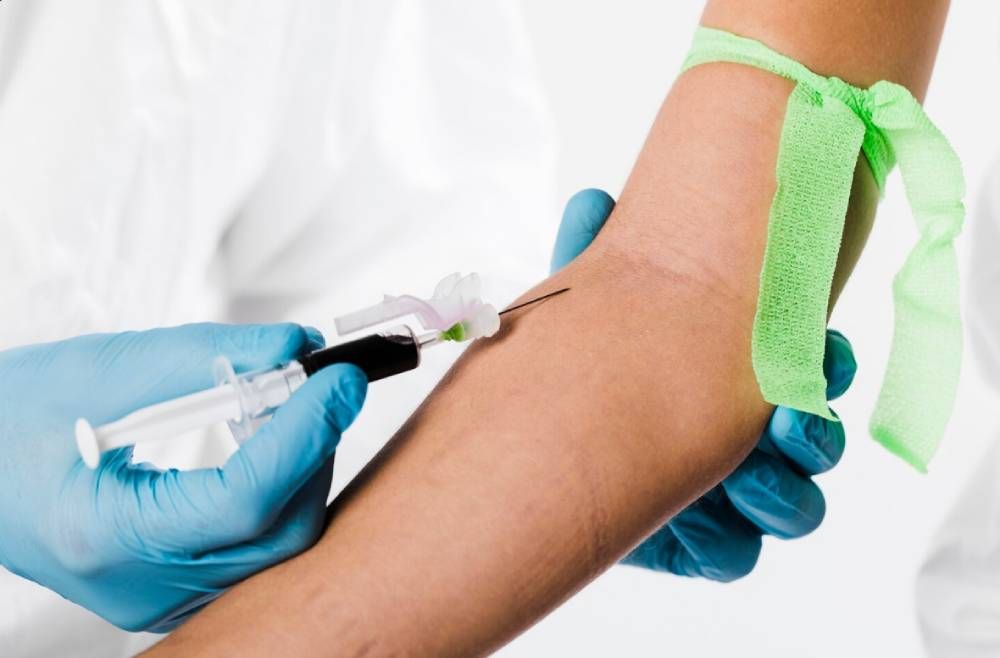
If you are dealing with joint pain and suspect an inflammatory or autoimmune cause, testing is key. These lab tests help differentiate between types of arthritis and guide early, targeted intervention.
This blood test detects the presence of RF antibodies often seen in rheumatoid arthritis. Elevated RF levels can support a diagnosis, especially when paired with symptoms like morning stiffness, fatigue, and joint swelling. While not definitive on its own, the RF test is frequently used alongside Anti-CCP antibodies and ESR/CRP tests to confirm a diagnosis.
This genetic marker is associated with ankylosing spondylitis, reactive arthritis, and other autoimmune conditions. It helps confirm a diagnosis in those with chronic back pain, inflammation, and a family history of arthritis. A positive HLA-B27 status increases the risk but doesn’t confirm disease on its own, making clinical evaluation crucial.
Testing brings certainty. And certainty reduces stress. The sooner you identify what kind of arthritis you have, the faster you can find targeted relief.
What the Research Says About Mindfulness for Arthritis
Mindfulness involves paying non-judgmental attention to the present moment. It reduces the brain’s response to pain and interrupts negative thought loops that worsen perception.
Studies from Harvard and the NIH have found that mindfulness practices lead to:
- Lower perceived pain levels
- Reduced inflammation markers
- Improved mood and sleep
- Increased quality of life in arthritis patients
Popular mindfulness techniques include:
- Body scan meditation: A technique where you mentally scan each part of your body and relax it consciously.
- Mindful breathing: Focusing on the inhale and exhale to center attention and calm the nervous system.
- Guided imagery: Visualizing peaceful, safe spaces or healing scenarios.
- Walking meditation: Using slow, mindful steps as a form of grounding and presence.
Apps like Calm, Insight Timer, and Headspace offer arthritis-friendly guided sessions that are short and accessible.
Meditation & Stress Reduction Techniques
Chronic stress needs more than just deep breaths. A combination of physical and cognitive approaches can help:
1. Progressive Muscle Relaxation (PMR)
This involves tightening and releasing each muscle group, promoting awareness and release of physical tension that contributes to joint pain. Practicing PMR regularly helps train your nervous system to recognize and release unconscious stress.
2. Visualization
Imagine warmth, healing light, or a pain-free activity. Visualization reduces pain perception and can calm the nervous system. It can also empower the patient with a sense of agency.
3. Cognitive Behavioural Therapy (CBT)
Working with a therapist trained in CBT can help you identify thought patterns that worsen your pain and develop healthier coping mechanisms. CBT is especially effective for those managing long-term chronic conditions like arthritis.
4. Gentle Yoga & Tai Chi
These combine movement, breath, and mindfulness, offering flexibility, balance, and mental clarity. They also release endorphins and gently stimulate blood flow without stressing joints. Studies show they reduce pain severity and improve joint function when practiced consistently.
Emotional Coping- Mental Health and Chronic Illness
Arthritis can cause a significant emotional toll, including depression, anxiety, and a sense of helplessness. Recognizing these signs early is critical.
Warning signs include:
- Loss of interest in usual activities
- Feelings of hopelessness
- Sleep disturbances
- Persistent sadness or irritability
Mental health support should be integrated into arthritis care:
- See a psychologist or counsellor who understands chronic pain
- Join online or in-person support groups
- Keep a pain/emotion journal to track triggers
- Practice self-compassion and set realistic goals
Managing emotional well-being fosters resilience and reduces disease-related disability.
Top Practical Daily Stress Busters
Here are simple, research-backed actions you can take daily to support your mental and joint health:
- Morning breathing ritual: Inhale for 4 seconds, exhale for 6-10 rounds
- Gratitude practice: Write 3 things you are thankful for, daily
- Digital detox: Spend 1 hour each day away from screens
- Movement breaks: Gentle stretches every 30 minutes
- Nature exposure: Sunlight and fresh air reduce cortisol levels
- Music therapy: Listening to calming music can regulate heart rate and lower anxiety
- Laughter therapy: Even a few minutes of laughter a day can boost mood and immunity
When to Talk to Your Doctor
If you notice that stress, anxiety, or low mood are interfering with your arthritis management or daily life, speak up. Ask your rheumatologist for a referral to mental health professionals or pain management specialists.
Also, if your pain is flaring despite lifestyle efforts, it may signal disease progression, testing and medication adjustments may be necessary.
A multidisciplinary care approach is ideal, rheumatologists, physiotherapists, psychologists, and pain specialists working in tandem.
Mind Over (Joint) Matter
Managing arthritis isn't just about medications and mobility, it is also about mindset. By addressing the mental load of chronic pain, you lighten the physical burden too. Practices like mindfulness, meditation, stress management therapy, and professional counseling are not alternative medicine, they are essential tools in the holistic management of arthritis.
Don’t underestimate the power of your mind. The calmer it is, the easier it is to move, cope, and heal. Integrating mental wellness into your arthritis care strategy is one of the most impactful decisions you can make for long-term relief and quality of life.
Featured Articles
Diabetes Screening For Diagnosis And Prevention
Posted on: 25th Oct 2023

Eating To Recover: The Best Foods For Getting Back On Your Feet After Cholera
Posted on: 22nd Jan 2026

What A Complete Blood Count (CBC) Tells You About Your Health
Posted on: 22nd Jan 2026