Book a Home Collection Now!
Sodium Blood Test: Uses, Procedure, Normal Range and Test Results
July 13, 2026 - By Lupin Diagnostics
Ever felt unusually fatigued or confused for no clear reason? A sodium blood test can help uncover whether your body's electrolyte balance is off. Sodium keeps your nerves firing, muscles contracting, and fluids in check. This article walks you through what this test measures, when doctors order it, and what your results actually mean.
What Is a Sodium Blood Test?
A serum sodium level test measures sodium concentration in your blood. Sodium is an electrolyte, a mineral that carries an electrical charge. Your body relies on it for nerve signaling, muscle movement, and regulation of fluid balance.
Doctors typically include this test within a Basic Metabolic Panel (BMP). A BMP is a group of blood tests that check several key chemicals at once. This gives your doctor a broader picture of your metabolic health in a single draw.
Your kidneys are the main regulators here. They constantly adjust how much sodium your body holds or releases. When something disrupts that balance, this test flags the shift early.
Clinical Applications: Sodium Blood Test Uses
A doctor may order this test for several reasons. Here are the most common uses of the sodium blood test:
- Investigating unexplained confusion, headaches, or muscle twitches
- Diagnosing conditions linked to fluid retention or dehydration
- Monitoring kidney or liver disease over time
- Checking sodium levels in patients receiving IV fluids
- Tracking the effect of certain medications, especially diuretics
Thiazide diuretics, commonly prescribed for blood pressure, can lower sodium levels. This typically happens within the first two to three weeks of starting the medication. Conditions like heart failure or a syndrome called Syndrome of Inappropriate Antidiuretic Hormone Secretion (SIADH) can also cause imbalances. Your doctor will interpret results based on your full medical history.
How Is the Sodium Blood Test Procedure Done?
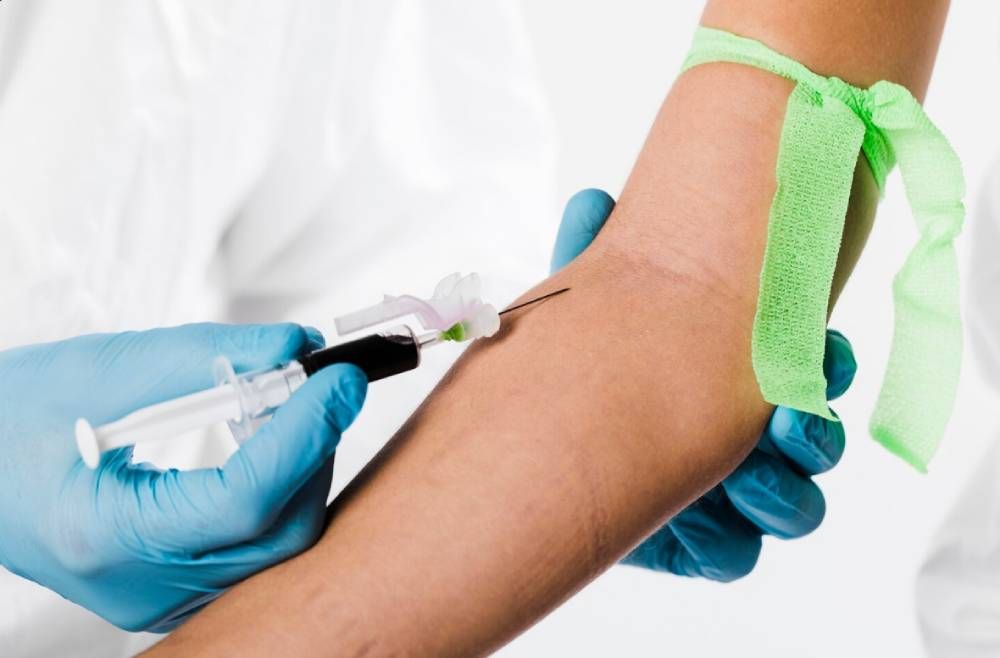
The sodium blood test procedure is a standard blood draw. A healthcare professional collects a small sample from a vein in your arm. The entire process usually takes just a few minutes.
Before the test, let your doctor know about any medicines you take. Blood pressure tablets and water pills can directly affect sodium readings. Normal value ranges may also vary slightly between laboratories. Always discuss preparation steps with your healthcare provider beforehand.
Understanding the Sodium Blood Test Normal Range
The standard normal range for adults on a sodium blood test is 135–145 milliequivalents per litre (mEq/L). Here is a quick reference table:
| Category | Range (mEq/L) | Status |
|---|---|---|
| Below 135 | Less than 135 | Low (Hyponatremia) |
| Normal (Adults) | 135–145 | Healthy range |
| Above 145 | Greater than 145 | High (Hypernatremia) |
| Severe High | Greater than 160 | Severe Hypernatremia |
Ranges may vary slightly by age group and laboratory. Paediatric values can differ, so always compare your child's report against the lab's own reference range. Discuss any abnormal reading with a qualified healthcare professional.
How Should You Read Your Sodium Blood Test Results?
Your sodium blood test results fall into one of three zones: normal, low, or high. Each tells a different story about your body's fluid and electrolyte status.
Low Sodium Levels (Hyponatremia)
A reading below 135 mEq/L signals hyponatremia. Common causes include:
- Severe diarrhoea or vomiting causing fluid loss
- Drinking excessive water without replacing electrolytes
- Certain medications, particularly thiazide diuretics
- Conditions like heart failure or SIADH
Hyponatremia symptoms often include headache, fatigue, nausea, and muscle cramps. In serious cases, confusion and brain fog may develop. Seek medical attention if you experience these signs alongside an abnormal report.
High Sodium Levels (Hypernatremia)
Readings above 145 mEq/L indicate hypernatremia. Severe symptoms often surface when levels cross 160 mEq/L. Common triggers include:
- Not drinking enough water throughout the day
- Heavy sweating during hot weather or intense physical work
- Conditions like diabetes insipidus or adrenal gland problems
Hypernatremia signs include intense thirst, restlessness, and lethargy. In children, irritability and agitation may appear first. Muscle spasms can also occur as levels climb. Any sudden or severe symptoms warrant prompt medical evaluation.
How Kidneys and Hormones Maintain Balance
Your kidneys fine-tune blood sodium concentration through hormonal signals. A hormone called aldosterone acts on specific parts of the kidney. It tells your body to hold on to sodium and water, or let them go. This directly influences your blood pressure and overall fluid volume.
When kidneys are healthy, this system works quietly in the background. Kidney disease can disrupt this cycle, making regular monitoring essential.
Keeping Your Sodium Levels Stable
Steady sodium levels support everything from brain function to muscle movement. Shifts can happen quickly — through illness, dehydration, or even a new medication. That is why an electrolyte panel test is one of the most commonly ordered blood investigations in India.
If you have not had your levels checked recently, consider a routine health check-up. Lupin Diagnostics offers comprehensive electrolyte panels at NABL-accredited labs and convenient home collection services across India.
Frequently Asked Questions
Can eating a very salty meal the night before my test cause a temporary spike in my sodium blood test results?
In healthy individuals, the kidneys efficiently correct short-term dietary sodium changes. A single salty meal is unlikely to cause a meaningful spike, though staying well-hydrated before your test is always a good idea.
Why do doctors simultaneously look at potassium and creatinine values alongside sodium test results?
Sodium, potassium, and creatinine are closely linked through kidney function. Aldosterone, for instance, promotes sodium retention while encouraging potassium excretion, so checking all three gives a fuller picture.
How does drinking an extreme amount of water during intense sports cause sudden hyponatremia?
Overhydrating dilutes sodium in the blood faster than the kidneys can correct it. Studies on marathon runners have found exercise-associated hyponatremia in roughly 7 to 15% of participants.
Are there specific blood pressure medications that are known to actively drain sodium levels out of the body?
Thiazide diuretics are a well-known example. They reduce the kidney's ability to reabsorb sodium, which can lower blood sodium levels, often within the first few weeks of use.
What are the most dangerous neurological complications that can occur if severe low sodium goes untreated?
Untreated severe hyponatremia can lead to confusion, seizures, and, in extreme cases, coma. These neurological complications arise because brain cells swell when sodium levels drop too low.
Does long-term chronic dehydration always show up as a high sodium reading on a standard laboratory test?
It often does, but not always. Hypernatremia develops when water loss outpaces sodium loss. Mild chronic dehydration may not push levels above the normal threshold on every test.
This article is for informational purposes only and does not substitute professional medical advice, diagnosis, or treatment. If you have concerns about your sodium levels or overall health, please consult a qualified healthcare provider.
Featured Articles
Diabetes Screening For Diagnosis And Prevention
Posted on: 25th Oct 2023

Eating To Recover: The Best Foods For Getting Back On Your Feet After Cholera
Posted on: 22nd Jan 2026

What A Complete Blood Count (CBC) Tells You About Your Health
Posted on: 22nd Jan 2026