Book a Home Collection Now!
Serum Progesterone Test: Purpose, Results, Normal Range and Risks
July 10, 2026 - By Lupin Diagnostics
If your gynaecologist has asked you to get a serum progesterone test, you're probably trying to understand ovulation, fertility, or a pregnancy concern. Progesterone is a hormone your body produces mainly in the ovaries. It prepares the uterus for pregnancy and supports early development. This article walks you through the test's purpose, how to read results, and what the numbers mean.
What is a Serum Progesterone Test?
A serum progesterone test is a simple blood test. It measures the amount of progesterone circulating in your bloodstream. Your doctor uses this reading to evaluate ovarian function and pregnancy health.
Here's why the timing matters. Progesterone stays low during the first half of your cycle. After ovulation, the corpus luteum, a temporary structure in the ovary, starts producing it. Levels rise during the second half and continue to climb if pregnancy occurs. Without fertilisation, they drop, and your period begins.
The test captures this hormonal snapshot at a specific moment in your cycle.
What Is the Serum Progesterone Test Purpose?
Your doctor may recommend this test for several important reasons. Common clinical situations include:
- Confirming ovulation: A luteal-phase reading above 3 ng/mL suggests that ovulation has occurred.
- Investigating infertility: Low levels can point to problems with ovulation or corpus luteum function.
- Monitoring high-risk pregnancies: Tracking progesterone helps assess whether the pregnancy is progressing well.
- Checking for ectopic pregnancy: Unusually low readings in early pregnancy may signal this concern.
- Evaluating fertility treatments: The test shows whether medications or procedures are working.
Your doctor will interpret these results alongside other findings. This list is for general awareness only.
How Is the Serum Progesterone Test Done?
Timing the Test
Timing is everything with this test. For a standard 28-day cycle, blood is usually drawn on day 21, the mid-luteal phase. This is when progesterone peaks after ovulation. If your cycles are irregular, your doctor may test every seven days after day 21 until your next period.
Preparing for the Test
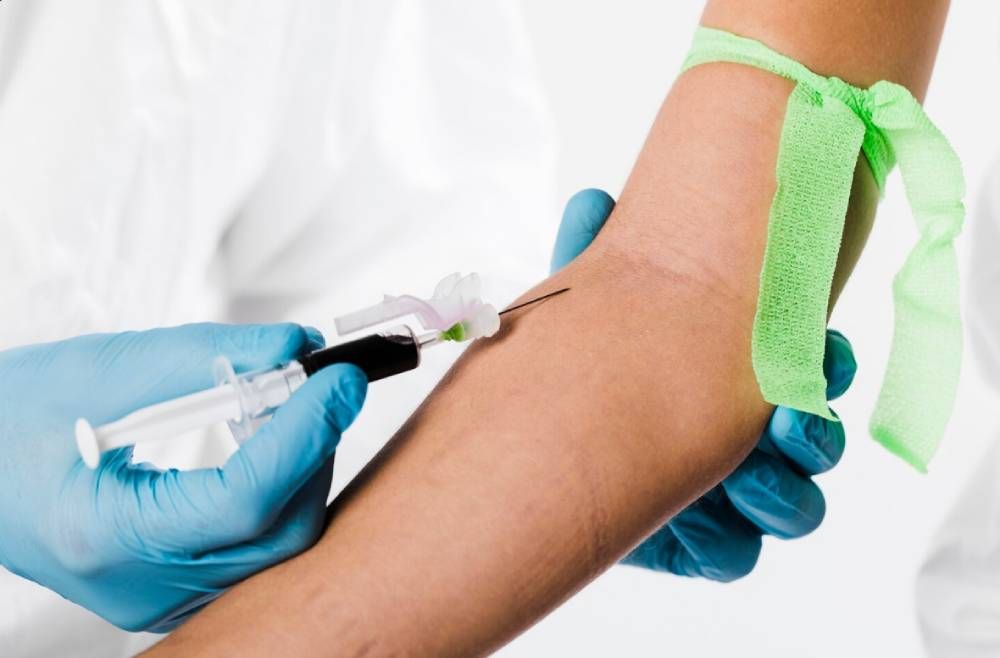
Certain medicines can interfere with your results. Your doctor will let you know if you need to pause any hormone supplements beforehand. The blood draw itself is quick; a healthcare professional collects a small sample from a vein in your arm.
Always follow your doctor's specific instructions about medication adjustments before any blood test.
What is the Serum Progesterone Test Normal Range?
Serum progesterone test results shift considerably depending on your cycle phase and pregnancy status. The table below outlines typical reference values:
| Phase / Status | Progesterone Level (ng/mL) |
|---|---|
| Pre-ovulation (follicular phase) | Less than 1 to 1.5 |
| Ovulation/Mid-Cycle | 5–20 |
| Luteal phase | 2–25 |
| Postmenopausal | <1 |
| Pregnancy (general) | Rises progressively through trimesters |
A luteal-phase value of 10 ng/mL or above suggests healthy progesterone production. During pregnancy, levels continue climbing as the placenta gradually takes over production from the corpus luteum — typically around the tenth week.
Keep in mind that reference ranges can vary slightly between laboratories. Always compare your numbers against the specific range printed on your report.
How to Interpret Serum Progesterone Test Results
What do High Progesterone Levels Mean?
Elevated readings are not always a cause for worry. They may indicate:
- A healthy, progressing pregnancy
- Successful ovulation in a non-pregnant woman
- An adrenal gland condition: The adrenals normally produce small amounts of progesterone in both women and men
What do Low Progesterone Levels Mean?
Lower-than-expected values deserve attention. They may suggest:
- Ovulation did not occur during that cycle
- Weak corpus luteum function
- A higher risk of miscarriage or ectopic pregnancy in early pregnancy
These possibilities require proper clinical evaluation. A single test result does not confirm any diagnosis — your gynaecologist will guide the next steps.
What Are the Serum Progesterone Test Risks?
This is a routine blood draw with minimal risk. You might feel a brief sting when the needle goes in. Some people notice mild bruising or slight soreness at the puncture site afterwards. These symptoms typically fade within a day or two. Lightheadedness is uncommon but possible. Sitting quietly for a few minutes after the draw helps.
Overall, it is one of the safest diagnostic tests available.
Wrapping Up
Progesterone tracking offers a clear window into ovulation, fertility, and pregnancy health. Whether you're planning a family or monitoring an ongoing pregnancy, understanding serum progesterone test normal range values helps you have more informed conversations with your gynaecologist. The single most important takeaway? Context matters: your doctor reads these numbers alongside your full clinical picture, not in isolation.
If you'd like to get your progesterone levels checked, Lupin Diagnostics offers this test at NABL-accredited labs and home collection centres across India. Book your test today for reliable, timely results.
Frequently Asked Questions
Can an irregular menstrual cycle throw off my serum progesterone test results?
Yes. When cycles are irregular, the standard day-21 timing may miss the luteal phase entirely. In such cases, doctors often recommend testing every seven days after day 21 until the next period begins.
Are there any physical symptoms that indicate my progesterone might be too low?
Low progesterone may be linked to increased uterine contractions and irregular periods. However, symptoms alone are unreliable. A blood test is the only way to confirm your levels accurately.
Does a single low progesterone test result during early pregnancy confirm a miscarriage?
It does not. A single low reading cannot confirm miscarriage on its own. Routine first-trimester progesterone testing without other symptoms is generally not recommended as a standalone diagnostic measure.
How long does it typically take for a diagnostic lab to process serum progesterone test reports?
Most accredited laboratories release results within 1 to 2 days. Turnaround times can vary depending on the facility and whether additional tests are bundled together.
Can certain birth control pills or medications artificially alter my blood test values?
Yes. Combination oral contraceptives suppress the body's natural progesterone production. This means your serum levels will appear low while on these medications, reflecting suppressed ovarian function rather than an underlying problem.
Do men ever need to take a serum progesterone test, or do only women produce it?
Men produce small amounts of progesterone through the adrenal glands. Doctors may order this test for men if they suspect an adrenal gland disorder causing elevated hormone levels.
This article is for informational purposes only and does not replace professional medical advice, diagnosis, or treatment. Please consult a qualified healthcare provider — such as a gynaecologist or fertility specialist — for any concerns about your health or test results.
Featured Articles
Diabetes Screening For Diagnosis And Prevention
Posted on: 25th Oct 2023

Eating To Recover: The Best Foods For Getting Back On Your Feet After Cholera
Posted on: 22nd Jan 2026

What A Complete Blood Count (CBC) Tells You About Your Health
Posted on: 22nd Jan 2026