Book a Home Collection Now!
Managing Anemia During Menstruation And Pregnancy A Woman S Guide To Better Health
July 14, 2024 - By Lupin Diagnostics
Fatigue, dizziness, and breathlessness are not just part of “being a woman.” These symptoms may signal anemia, a condition especially common during menstruation and pregnancy. According to the World Health Organization (2022), anemia affects over 30% of women globally—often due to iron deficiency or increased nutritional demands.
Whether you are planning a pregnancy or navigating heavy periods, here is what you need to know about iron deficiency in pregnancy, anemia during menstruation, and the right blood tests for anemia types.
Why Are Women at Higher Risk of Developing Anemia?
Women are more likely to develop anemia due to monthly blood loss during periods and increased iron demands during pregnancy. Anemia occurs when the body lacks enough red blood cells or hemoglobin to carry oxygen efficiently.
The most common form is iron-deficiency anemia, but other types, such as vitamin B12 and folate deficiency anemia, can also affect women, particularly during reproductive years.
Anemia During Menstruation: What to Watch For
Heavy menstrual bleeding (menorrhagia) can gradually deplete the body’s iron stores. If you consistently feel drained during your cycle, you might be dealing with anemia during menstruation.
Symptoms of Anemia in Women Around Their Period:
- Persistent fatigue despite rest
- Pale skin, cold extremities
- Rapid heart rate with minimal exertion
- Brain fog or dizziness
- Shortness of breath during mild activity
As per American College of Obstetricians and Gynecologists (2023), if your period lasts over 7 days or includes large clots, you should speak with your doctor.
What You Can Do:
- Track period flow: Use an app or journal to assess heaviness
- Increase dietary iron: Red meat, lentils, leafy greens, and iron-fortified cereals
- Take iron supplements: Only under medical supervision
- Get tested: Consider a lab-based anemia test for women or a home test for anemia for early detection
Understanding Iron Deficiency in Pregnancy
Pregnancy significantly increases the need for iron, folic acid, and vitamin B12. Your body expands its blood volume, which can dilute hemoglobin levels, leading to iron deficiency anemia during pregnancy.
Signs of Anemia in Pregnancy:
- Extreme fatigue
- Pale complexion
- Heart palpitations
- Dizziness or fainting spells
- Shortness of breath, even when resting
How to Manage It:
- Take prenatal vitamins: Ensure they contain iron and folic acid
- Eat iron-rich meals daily: Beans, spinach, lean meats, and iron-fortified grains
- Combine iron with vitamin C: Helps absorption (e.g., citrus fruits + dark greens)
- Schedule regular anemia tests for women: Included in prenatal checkups or done at home
Types of Blood Tests for Anemia
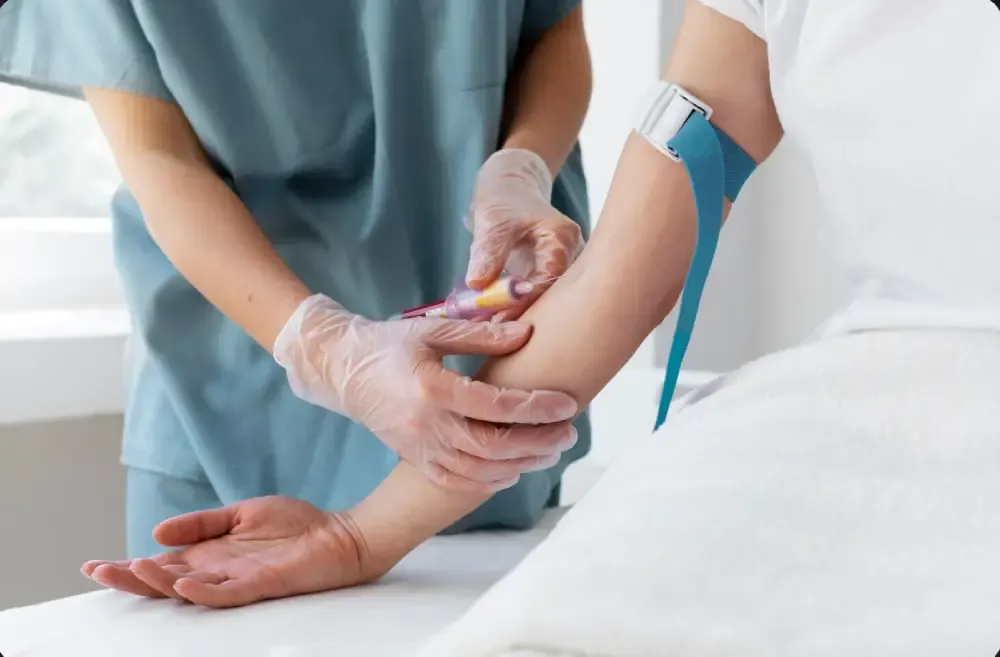
Proper diagnosis involves understanding what kind of anemia you are dealing with. These are the most commonly ordered blood tests for anemia types, as outlined by MedlinePlus (2024):
1. Complete Blood Count (CBC)
Measures hemoglobin, hematocrit, and red blood cell count. Used to detect if anemia is present and its severity.
2. Serum Ferritin and Iron
- Ferritin: Reflects iron storage in the body
- Serum iron: Measures iron currently in circulation
3. Vitamin B12 and Folate Levels
Rules out other nutrient-related forms of anemia beyond iron deficiency.
4. Reticulocyte Count
Evaluates bone marrow function and red blood cell production.
Getting the right test ensures the right treatment, whether it is iron supplements, dietary adjustments, or further investigations.
Can You Use Home Tests for Anemia?
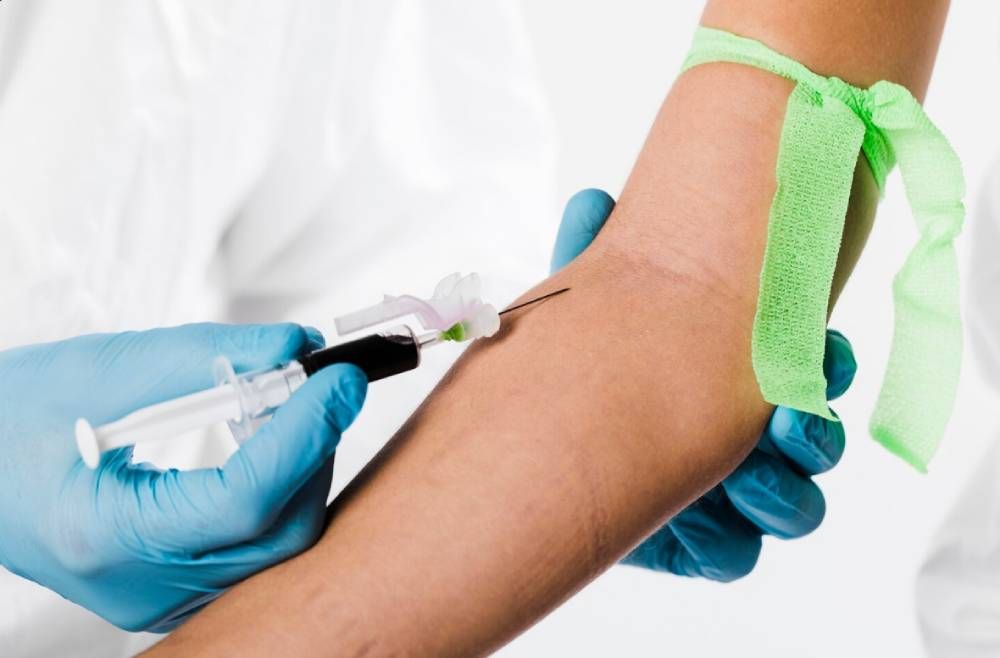
Yes, if you want a convenient and fast way to check your hemoglobin or ferritin levels, home tests for anemia can be useful.
Pros:
- Finger-prick based, non-invasive
- Offers quick results
- Useful for tracking trends between clinic visits
Cons:
- Less detailed than full lab panels
- May miss other types of anemia
- Follow-up with a doctor is essential for accurate diagnosis
Home tests are a great first step, especially during pregnancy or heavy menstruation, but should not replace medical evaluations.
Everyday Tips for Preventing and Managing Anemia in Women
Whether you are dealing with anemia during menstruation or in pregnancy, these simple lifestyle practices can help:
1. Prioritize Iron-Rich Nutrition
- Heme iron (animal-based): Red meat, liver, poultry
- Non-heme iron (plant-based): Lentils, tofu, pumpkin seeds
- Pair with vitamin C-rich foods to boost absorption
2. Avoid Iron Blockers
- Limit coffee, tea, and calcium-rich foods during iron-rich meals
- Take calcium supplements separately from iron tablets
3. Stay Rested and Hydrated
- Sleep at least 7–9 hours per night
- Drink plenty of water to support circulation and oxygen transport
4. Schedule Regular Testing
- Ask your OB-GYN for anemia testing
- Use at-home anemia kits to monitor in between visits
- Repeat testing during pregnancy or if you experience persistent symptoms
When Should You Seek Medical Attention?
You should contact a healthcare provider if you:
- Have periods longer than 7 days or with heavy bleeding
- Experience severe fatigue, palpitations, or dizziness
- Are pregnant and notice shortness of breath or fainting
- Have a family history of anemia or clotting disorders
Early diagnosis and treatment are key to preventing complications and ensuring a healthy pregnancy or menstrual cycle.
Can anemia affect fertility or pregnancy outcomes?
Yes. Severe anemia can impact fertility and increase the risk of pregnancy complications such as premature birth or low birth weight.
Empower Your Health with Anemia Awareness
Anemia is treatable, but only if it is recognized. Women are more vulnerable during menstruation and pregnancy, but with iron-rich nutrition, routine testing, and proactive care, managing anemia is entirely achievable.
Whether you are tracking your cycle, preparing for pregnancy, or managing a recent diagnosis, start with the basics:
- Eat wisely
- Rest consistently
- Monitor regularly
- Ask your doctor about anaemia tests for women
Not sure where to start? Try our at-home anemia test or book a consultation today. Your energy, vitality, and overall health depend on it.
Featured Articles
Diabetes Screening For Diagnosis And Prevention
Posted on: 25th Oct 2023
Eating To Recover: The Best Foods For Getting Back On Your Feet After Cholera
Posted on: 22nd Jan 2026
What A Complete Blood Count (CBC) Tells You About Your Health
Posted on: 22nd Jan 2026