Book a Home Collection Now!
Karyotype Blood Test: Purpose, Procedure, Normal Range, and Test Results Mean
May 27, 2026 - By Lupin Diagnostics
Picture your DNA as a detailed instruction manual for your body. If pages go missing or get duplicated, things can go wrong. A karyotype blood test is essentially a blueprint of the chromosomes. It maps your chromosomes to check their size, shape, and count. This article walks you through its purpose, procedure, normal range, and what the results actually mean.
What Is a Karyotype Blood Test?
A karyotype blood test is a laboratory test that examines the size, shape, and number of chromosomes inside your cells. Think of it as chromosome mapping for your genetic material.
Every healthy human cell holds 46 chromosomes, neatly organised in 23 pairs. Twenty-two of these pairs are autosomes, and they carry general body instructions. The remaining pair are your sex chromosomes: XX if you are female and XY if you are male. A karyotype test photographs these chromosomes and arranges them by size so specialists can spot anything unusual.
What Is the Purpose of the Karyotype Blood Test?
Doctors recommend cytogenetic analysis through karyotyping in several clinical situations. Here are the most common reasons:
- Prenatal screening: Ordered after an abnormal ultrasound or biochemical screening, especially for expectant mothers aged 35 and above.
- Recurrent miscarriage or infertility: Helps identify chromosomal causes. For men, it is part of the workup when sperm count falls below 5 million/mL.
- Developmental concerns in children: Recommended when a child shows intellectual disability, autism spectrum disorder, or developmental delay.
- Blood cancers: Used to investigate chromosomal changes in conditions like leukaemia or lymphoma.
Your doctor will decide whether this test is appropriate for your specific situation.
How Is the Karyotype Blood Test Procedure Done?
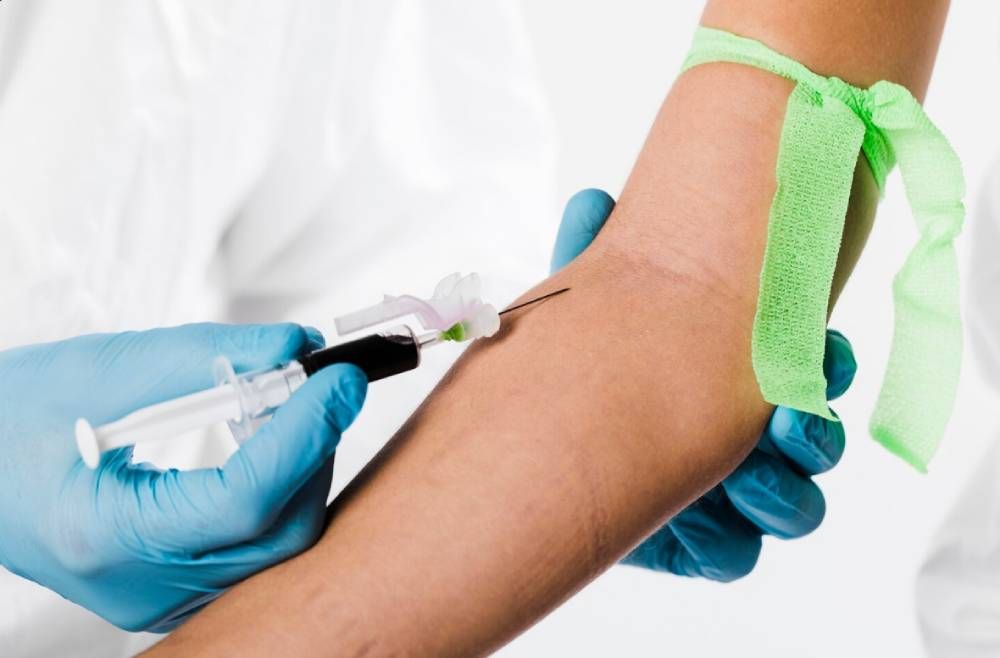
The karyotype blood test procedure feels much like a routine blood draw. A technician collects a small blood sample from your arm.
Here is what takes place after collection:
- Cell culture: Your blood cells are placed in a nutrient dish and grown in an incubator.
- Arresting division: Cells are locked in mid-division, so chromosomes become visible.
- Staining: A technique called G-banding creates a pattern of light and dark bands on each chromosome.
- Photography and analysis: The lab photographs each chromosome and arranges them by size and shape. Typically, 20 cells are analysed as standard practice.
For prenatal diagnosis, doctors may use amniotic fluid collected between 15 and 20 weeks instead of blood. This is more invasive than a simple blood draw.
What Is the Karyotype Blood Test Normal Range?
The normal range for the karyotype blood test is not a single number on a scale. It refers to a standard chromosome structure. A normal female result is written as 46, XX. A normal male result reads 46, XY.
This means all 46 chromosomes are present and correctly paired. There are 22 pairs of autosomes and one pair of sex chromosomes. If any chromosome is extra, missing, or structurally altered, the result is flagged as abnormal. When doctors suspect mosaicism (where some cells differ from others), they may examine 30 to 50 cells instead of the standard 20.
What Do Karyotype Blood Test Results Mean?
Abnormal karyotype blood test results mean that something in the chromosome structure has changed. These changes fall into two broad categories:
| Type of Abnormality | What It Means | Example |
|---|---|---|
| Extra chromosome | One chromosome has three copies instead of two | Trisomy 21 (Down Syndrome): 47, XX,+21 |
| Missing chromosome | One chromosome has only one copy | Turner Syndrome: 45, X |
| Translocation | Part of one chromosome attaches to another | Balanced or unbalanced translocations |
| Deletion | A segment of a chromosome is missing | Partial deletions on various chromosomes |
| Duplication | A chromosome segment is copied twice | Duplications of specific gene regions |
Conditions Commonly Diagnosed Through Karyotyping
Several well-known genetic conditions are identified through this test:
- Down Syndrome (Trisomy 21): The most common viable autosomal trisomy, caused by an extra copy of chromosome 21.
- Edwards Syndrome (Trisomy 18): An extra chromosome 18, associated with severe developmental challenges.
- Turner Syndrome (45, X): Affects females who are missing one X chromosome. Features include short stature and gonadal dysgenesis.
- Klinefelter Syndrome (47, XXY): Affects males who carry an extra X chromosome, often linked to infertility.
Abnormal results should always be discussed with a certified genetic counsellor or specialist.
How Long Does It Take to Get Karyotyping Results?
Unlike a routine blood count that returns in hours, karyotyping takes time. Cells need to grow in a lab incubator before analysis. For blood samples, results usually arrive within 3 to 14 days. Skin or prenatal samples may take longer.
Most people can expect a turnaround of roughly 10 to 14 days for a standard blood-based karyotype test. The exact timeline depends on the lab and the clinical reason for testing.
Conclusion
A karyotype test remains one of the most reliable ways to detect large chromosomal abnormalities. It can uncover issues that newer molecular methods might miss, such as particularly balanced rearrangements linked to infertility or recurrent miscarriage. If your results show anything unusual, a genetic counsellor can help you understand the next steps.
Curious about your chromosomal health or planning a family? Lupin Diagnostics offers a range of genetic and diagnostic tests at NABL-accredited labs across India. Reach out to your nearest centre to learn more.
Frequently Asked Questions
What is considered a normal result for a karyotype test?
A normal result shows 46 chromosomes in 23 pairs, reported as 46, XX for females or 46, XY for males. This means there are no extra, missing, or structurally altered chromosomes.
Is fasting required before undergoing a karyotype blood test?
Fasting is not required. The test involves a standard blood draw with no special preparation needed beforehand. Always follow the specific instructions given by your doctor.
Can a karyotype blood test detect all genetic mutations?
It cannot detect small-scale changes like point mutations or tiny insertions and deletions. Karyotyping identifies only large chromosomal abnormalities.
Why would an adult need a karyotype test?
Adults may need karyotyping during infertility evaluation, especially men with very low or absent sperm counts, or couples experiencing repeated miscarriages.
What is the average cost of a karyotype blood test?
At Lupin Diagnostics, the karyotype blood test price starts at ₹3,000. However, costs vary across cities in India. Contact your nearest Lupin Diagnostics centre for current pricing details.
Disclaimer: This article is for informational and educational purposes only. It does not substitute professional medical advice, diagnosis, or treatment. Please consult a qualified healthcare provider for any medical concerns or before making decisions based on the information shared here.
Featured Articles
Diabetes Screening For Diagnosis And Prevention
Posted on: 25th Oct 2023

Eating To Recover: The Best Foods For Getting Back On Your Feet After Cholera
Posted on: 22nd Jan 2026

What A Complete Blood Count (CBC) Tells You About Your Health
Posted on: 22nd Jan 2026