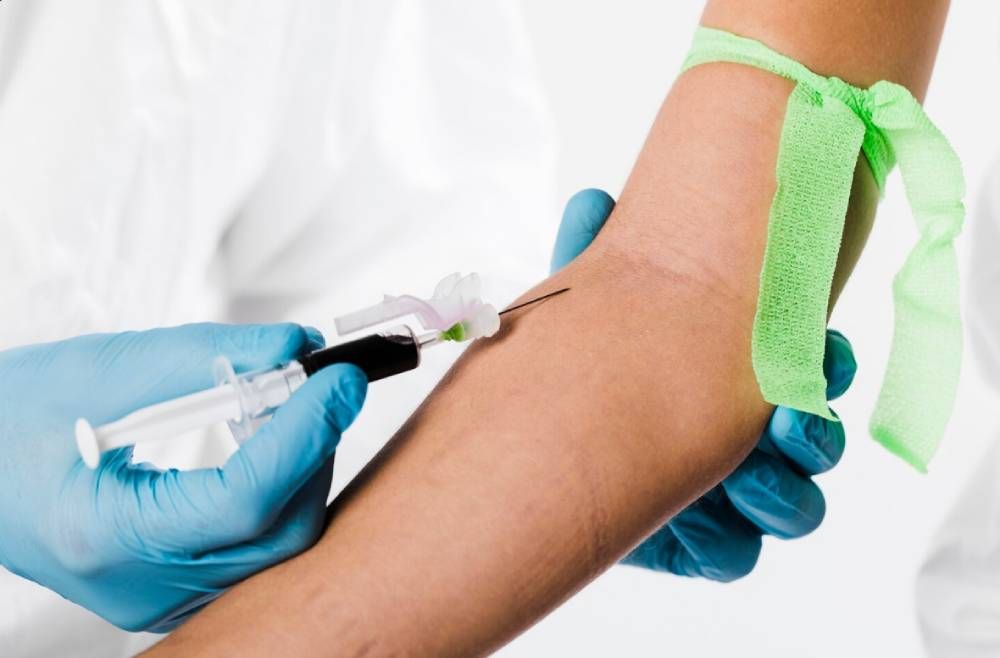
Book a Home Collection Now!
Is That Joint Pain Arthritis 7 Early Signs You Can T Afford To Miss
August 4, 2025 - By Lupin Diagnostics
Joint pain is a common complaint, especially as we age or lead physically demanding lifestyles. But what if that soreness is not just due to a workout or poor posture? What if it is an early sign of arthritis? Catching arthritis in its initial stages is crucial, as it can prevent irreversible joint damage and help preserve mobility.
In this article, we will explore the early arthritis signs you should not ignore, how to distinguish them from ordinary aches, and what tests you may need to confirm a diagnosis. Whether you are feeling stiff in the morning or noticing unusual swelling, here is what you need to know about detecting arthritis early.
Is Your Joint Pain More Than Just Fatigue or Overuse?
Everyone experiences joint discomfort occasionally. Maybe you slept in an odd position or lifted something too heavy. But if your joint pain is persistent, affects multiple areas, or is accompanied by fatigue, it may be more than just a temporary issue.
Arthritis is an umbrella term for over 100 joint-related conditions. It can be broadly classified as:
- Osteoarthritis (OA): Degenerative, caused by wear and tear
- Inflammatory arthritis: Such as Rheumatoid Arthritis (RA), where the immune system attacks healthy joint tissue
Identifying arthritis early can lead to timely interventions, lifestyle changes, and therapy that may slow progression or even put the disease in remission.
7 Early Arthritis Signs You Should Never Ignore
1. Morning Stiffness Lasting Over 30 Minutes
If it takes more than half an hour to shake off the stiffness in your joints each morning, it could be more than just aging. This is often a hallmark of inflammatory arthritis like RA.
Unlike stiffness from overuse or inactivity, which usually wears off quickly, inflammatory stiffness lingers and is often worst in the morning or after long periods of rest.
2. Persistent Joint Swelling
Visible or palpable swelling in the joints, particularly in the knees, wrists, or fingers, can signal inflammation or fluid accumulation. Chronic swelling is one of the clearest early arthritis signs.
Imaging tests such as X-rays or MRI scans can help detect structural changes in the joints.
3. Pain in Small Joints Like Fingers, Toes, and Wrists
Arthritis often begins in the smaller joints before affecting larger ones. Pain that occurs symmetrically on both sides of the body is especially indicative of autoimmune arthritis.
Tests such as Rheumatoid Factor (RF) and Anti-CCP antibodies help confirm autoimmune activity.
4. Unexplained Fatigue and Low-Grade Fever
Chronic fatigue is one of the earliest and most common arthritis symptoms. The immune response in inflammatory arthritis causes systemic fatigue that does not improve with rest.
- Mild fever
- Loss of appetite
- Brain fog or low concentration
Inflammation markers such as CRP and ESR can reveal systemic inflammation even before joint damage occurs.
5. Decreased Range of Motion
Restricted movement, especially without recent injury, may indicate inflammation or joint damage.
- Thickening of joint capsules
- Ligament stiffness
- Cartilage erosion
6. Clicking, Popping, or Grinding Sounds
Known as crepitus, these sounds may indicate cartilage loss when accompanied by pain or stiffness.
X-rays can reveal joint space narrowing and bone spur formation.
7. Redness and Heat Around Joints
Inflamed joints often feel warm and appear red. These symptoms suggest acute inflammation.
- Detection of uric acid crystals
- Rule out bacterial infection
- Assess inflammatory markers
Diagnostic Tests for Detecting Arthritis Early
Early testing helps confirm suspicions and rule out other causes of joint pain.
Blood Tests
- Erythrocyte Sedimentation Rate (ESR): Indicates chronic inflammation
- C-Reactive Protein (CRP): Identifies acute inflammation
- Rheumatoid Factor (RF)
- ANA panel tests
Imaging Tests
- X-rays
- MRI
- Ultrasound
Joint Fluid Analysis
This test examines fluid from swollen joints for:
- Crystals
- Bacteria
- Inflammatory markers
When Should You See a Doctor for Joint Pain?
- Joint pain lasting more than two to three weeks
- Symmetrical pain in multiple joints
- Persistent swelling, redness, or fatigue
- Reduced range of motion
Types of Arthritis and How They Differ
| Type | Who It Affects | Symptoms | Key Tests |
|---|---|---|---|
| Osteoarthritis | Middle-aged and elderly | Wear-and-tear pain, creaking joints | X-ray, MRI |
| Rheumatoid Arthritis | Ages 30–60, more common in women | Symmetrical pain, fatigue, stiffness | RF, CRP, ESR, Anti-CCP |
| Psoriatic Arthritis | People with psoriasis | Joint pain with skin and nail changes | ANA, X-ray |
| Gout | Often middle-aged men | Sudden sharp pain, redness, swelling | Uric acid test, joint fluid analysis |
| Reactive Arthritis | Post-infection | Pain and swelling in knees or ankles | ESR, CRP |
Managing Early Arthritis Symptoms
- Cold therapy: Reduces inflammation and pain
- Gentle movement: Yoga, tai chi, aqua therapy
- Anti-inflammatory diet: Turmeric, greens, berries, omega-3s
- Rest: Proper sleep reduces inflammation
- Healthy weight: Less stress on joints
- Medication adherence: As prescribed by a physician
Take Charge: Get Tested, Get Relief
- Book a joint panel test
- Consult a rheumatologist
- Explore treatment options based on your needs
You do not have to wait until joint pain becomes unbearable. Detecting arthritis early can make a significant difference in long-term joint health and quality of life.
Featured Articles
Diabetes Screening For Diagnosis And Prevention
Posted on: 25th Oct 2023

Eating To Recover: The Best Foods For Getting Back On Your Feet After Cholera
Posted on: 22nd Jan 2026

What A Complete Blood Count (CBC) Tells You About Your Health
Posted on: 22nd Jan 2026