Book a Home Collection Now!
Immune System Myths vs. Facts: What Really Works to Keep You Strong & Healthy
July 14, 2026 - By Lupin Diagnostics
From haldi doodh recipes to "immunity booster" drinks lining store shelves, immune system myths vs. facts can be tough to separate. Everyone seems to have advice on staying healthy. But how much of it holds up against actual science? This article clears the confusion so you can focus on what genuinely supports your body's defences.
What Are The Basic Immune System Facts You Should Know?
Your body runs two distinct defence systems that work together around the clock:
Innate immunity is your first responder. It kicks in within minutes and fights any threat it detects, without needing to recognise the specific invader. Think of it as a security guard who stops every stranger at the gate.
Adaptive immunity is more specialised. It identifies specific germs, builds targeted weapons against them, and remembers them for next time. This memory is why you rarely catch chickenpox twice.
Your innate response holds the fort for roughly four to seven days while adaptive immunity gears up. Together, these two layers form your natural biological defence system.
What Are The Most Common Misconceptions About The Immune System?
Many popular beliefs about immunity sound logical but crumble under scientific scrutiny. Here are three misconceptions about the immune system that deserve a closer look.
Myth 1: You Can "Hyper-Boost" Your Immune System
Products labelled as immune boosting products suggest that cranking up your immunity is always a good thing. It is not. An overactive immune system does not make you stronger. It actually causes allergies and autoimmune conditions.
In allergies, the body overreacts to harmless proteins like pollen or certain foods. In autoimmune diseases, it mistakenly attacks healthy tissues, leading to conditions such as rheumatoid arthritis or lupus. The real goal is balance, not constant escalation.
If you experience frequent unexplained inflammation, consult a healthcare professional for proper evaluation.
Myth 2: Going Outside In The Cold Causes The Flu
Your grandmother may disagree, but cold air itself does not give you the flu. Seasonal virus spikes happen because people spend more time indoors during winter, in closer contact with each other. Heated indoor air also drops relative humidity significantly.
Research shows that low humidity of 20 to 35% creates ideal conditions for influenza transmission. At 80% humidity, transmission was effectively blocked. So it is the dry, crowded indoor environment, not the chilly breeze outside.
Myth 3: Vitamin C Supplements Prevent All Common Colds
This is one of the most stubborn immune system myths around. Vitamin C does support cellular repair, and that matters. However, taking daily supplements does not actually prevent colds. Studies show it only shortens cold duration by roughly 10%, or about half a day.
Starting vitamin C after symptoms appear has no measurable effect at all. Megadoses simply pass through your urine. A couple of amla or a bowl of guava gives you plenty without the need for tablets.
Immune System Myths vs. Facts: A Quick Reference Table
| Myth | Fact |
|---|---|
| More immunity is always better | An overactive immune system causes allergies and autoimmune diseases |
| Cold weather directly causes the flu | Viruses cause flu; low humidity and indoor crowding increase winter transmission |
| Vitamin C supplements prevent all colds | Vitamin C may shorten cold duration by about 10% but does not prevent colds |
| A sterile environment keeps you safest | Overly sanitised environments may limit the immune system's ability to learn |
| More supplements always mean stronger defences | Excess supplementation can cause side effects and waste money |
What Actually Keeps Your Immune System Strong?
Rather than chasing miracle supplements, these everyday habits genuinely support your defences:
- Prioritise 7 to 9 hours of quality sleep. During deep sleep, your body produces protective inflammatory proteins called cytokines. Sleep deprivation disrupts both innate vs adaptive immunity and raises your risk of infections.
- Feed your gut with whole foods. Roughly 70 to 80% of your immune cells live in the gut. Prebiotic fibre from foods like bananas, onions, garlic, and whole grains supports beneficial gut bacteria, which help regulate cellular defence triggers.
- Stay well hydrated. Water supports your lymphatic system wellness by helping transport immune cells through the body. Aim for 8 to 10 glasses daily, adjusting for India's warmer climate.
- Manage chronic stress. Prolonged stress floods your body with cortisol. Over time, this hormone suppresses immune function and promotes low-grade inflammation. Even 15 minutes of pranayama or a short walk can help.
Building Lasting Immunity Through Daily Habits
Separating immune system myths vs. facts comes down to one insight. Your body does not need dramatic interventions. It needs steady, everyday care. Quality sleep, whole foods, hydration, and stress management do more than any expensive supplement ever could. Your immune system works quietly and brilliantly when you give it the basics.
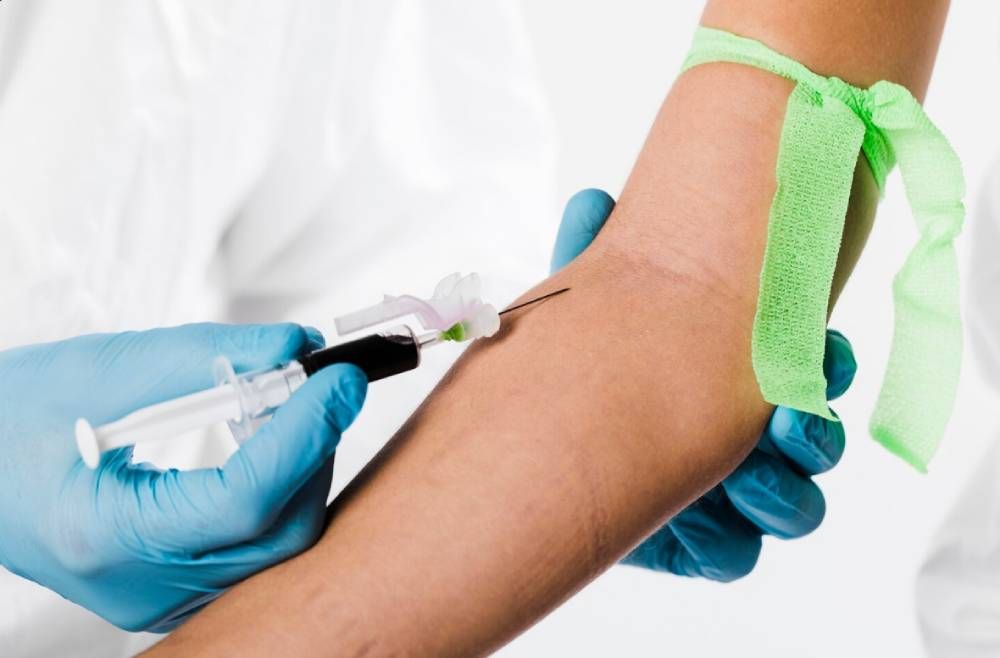
If you are curious about how your body is doing, a routine health check-up can offer useful insights. Lupin Diagnostics offers a wide range of blood tests at NABL-accredited labs across India, making it easy to stay informed about your health.
FAQs
Can taking too many over-the-counter "immunity-boosting" gummies or drinks actually damage my health?
Yes, excessive supplement intake can cause nausea, vomiting, and muscle weakness. In extreme cases, vitamin D toxicity may lead to kidney damage and heart rhythm problems. Always check with your doctor before starting new supplements.
Why does a chronic lack of sleep make a person physically more vulnerable to catching a cold or flu?
Sleep deprivation disrupts both your innate and adaptive immune responses. This creates a state of chronic, low-grade inflammation that raises your susceptibility to infections.
Does exercising while you are actively sick help sweat out the virus, or does it delay recovery times?
Exercising during a fever can worsen illness and delay recovery. It may also cause muscle weakness and, in rare cases, cardiac complications. Rest is a better choice until symptoms clear.
How much of a human's overall immune system is structurally located within the gastrointestinal tract?
Roughly 70–80% of your immune cells reside in the gut. These cells interact closely with gut bacteria and the intestinal lining to regulate your body's defences.
Are there any specific medical tests available that can accurately measure the overall strength of my immune system?
Tests like C-reactive protein, immunoglobulin levels, complete blood count, and lymphocyte subset analysis can assess specific immune markers. However, no single test measures overall immune "strength".
Does a completely germ-free, overly sanitised living environment weaken a healthy adult's natural defences?
The hygiene hypothesis suggests that extremely clean environments may limit the immune system's exposure to microbes it needs to develop properly. This remains an active area of research without confirmed mechanisms.
This article is for informational and educational purposes only. It does not replace professional medical advice, diagnosis, or treatment. If you have concerns about your immune health or any medical condition, please consult a qualified healthcare provider.
Featured Articles
Diabetes Screening For Diagnosis And Prevention
Posted on: 25th Oct 2023

Eating To Recover: The Best Foods For Getting Back On Your Feet After Cholera
Posted on: 22nd Jan 2026

What A Complete Blood Count (CBC) Tells You About Your Health
Posted on: 22nd Jan 2026