Book a Home Collection Now!
How The Testosterone Blood Test Works In Diagnosing Hormonal Imbalances
December 16, 2024 - By Lupin Diagnostics
Understanding the role of testosterone in overall health is essential for diagnosing and managing hormonal imbalances, particularly in men. The testosterone blood test is a critical diagnostic tool for assessing testosterone levels, identifying issues like low testosterone in men, and guiding treatment plans for hormonal health. With options now available for online testosterone tests, access to this essential test is easier than ever, enabling individuals to address potential hormone imbalances early on.
Testosterone Levels and Men’s Health
Testosterone, often regarded as the primary male hormone, plays a fundamental role in various bodily functions beyond reproductive health. Its influence spans muscle and bone density, mood regulation, energy levels, and metabolic health. Imbalanced testosterone levels, particularly low testosterone in men, can lead to symptoms such as fatigue, depression, reduced muscle mass, and decreased libido. Recognizing these symptoms and testing testosterone levels helps individuals and healthcare providers identify underlying health issues that may require intervention.
Understanding the Testosterone Blood Test
A testosterone blood test measures the amount of testosterone in the blood, providing insights into hormonal health and balance. Typically, the test measures two types of testosterone:
- Total testosterone: This measures both bound (to proteins) and free (unbound) testosterone, offering a comprehensive picture of the total hormone present in the bloodstream.
- Free testosterone: Free testosterone accounts for only a small percentage of total testosterone but is crucial as it is biologically active and readily available for the body’s use.
Normal testosterone levels vary by age and can fluctuate throughout the day, with higher levels usually seen in the morning. By assessing these levels, the testosterone blood test can reveal if testosterone is low, high, or within the typical range, helping physicians determine potential underlying causes of imbalance.
When Should Men Consider a Testosterone Blood Test?
The testosterone blood test is often recommended when an individual experiences symptoms that may indicate low testosterone in men or other hormonal imbalances. Common signs that suggest the need for testing include:
- Persistent fatigue or low energy levels
- Decreased libido or erectile dysfunction
- Mood swings, depression, or irritability
- Reduced muscle mass or strength
- Difficulty with concentration or memory
- Increased body fat or unexplained weight gain
Diagnosing Low Testosterone in Men
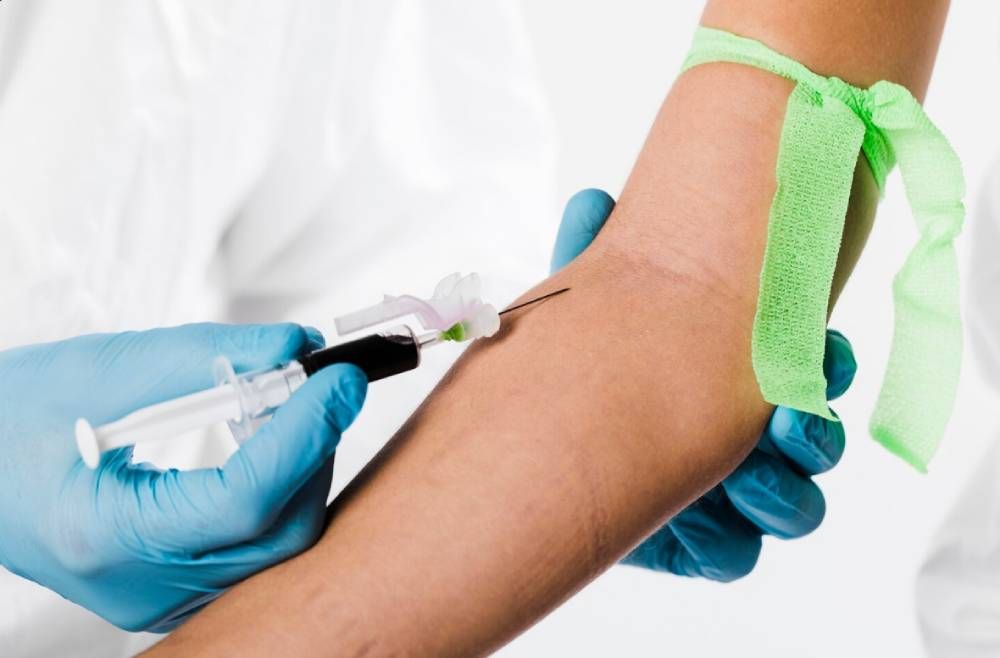
Diagnosing low testosterone in men involves taking a blood sample, usually in the morning when testosterone levels are at their peak. This sample is analyzed in a lab to measure total and free testosterone levels. The results provide critical information to physicians, who interpret these values in the context of an individual’s symptoms, age, health status, and potential lifestyle factors.
For adult men, normal testosterone levels generally range from about 300 to 1,000 nanograms per deciliter (ng/dL). However, normal ranges can vary widely between labs and may be adjusted based on age. Physicians look at test results alongside symptoms to determine whether treatment or further evaluation is needed.
Key Conditions Diagnosed Through the Testosterone Blood Test
Testosterone blood tests can help diagnose several conditions beyond low testosterone, making them a versatile tool in endocrine and metabolic health.
- Hypogonadism
Hypogonadism is a condition characterized by the body’s inability to produce adequate levels of testosterone due to issues with the testicles or pituitary gland. Symptoms of hypogonadism are similar to those of low testosterone, including reduced libido, fatigue, and mood changes. The testosterone blood test is central in diagnosing hypogonadism, allowing doctors to determine if testosterone replacement therapy may be appropriate.
- Andropause
Andropause, often referred to as male menopause, occurs as testosterone levels naturally decline with age, typically after age 30. Symptoms may mimic other forms of low testosterone and include weight gain, loss of muscle tone, and cognitive changes.
- Infertility
Testosterone plays a vital role in sperm production, and low testosterone levels can impact male fertility. A testosterone blood test is often part of a broader fertility assessment in men, helping to identify hormonal imbalances that might be affecting reproductive health.
- Osteoporosis and bone health
Testosterone is instrumental in maintaining bone density. Lower-than-normal testosterone levels may contribute to osteoporosis or increased fracture risk. Testing testosterone levels can help in diagnosing and managing osteoporosis, particularly in older men.
Treatment Options for Low Testosterone
Once low testosterone is confirmed, several treatment options are available to manage symptoms and improve quality of life. Common treatments include:
- Testosterone replacement therapy: This can be administered via injections, patches, gels, or implants and works by restoring testosterone levels to a more typical range, alleviating symptoms.
- Lifestyle modifications: In some cases, diet, exercise, and weight management can have a positive impact on testosterone levels, particularly in cases where lifestyle factors contribute to hormone imbalances.
- Medications: Certain medications can address symptoms associated with low testosterone or underlying conditions, such as infertility or hypogonadism.
The testosterone level test can vary in cost, depending on factors like the testing method, location, and type of lab. It is recommended to consult healthcare providers or laboratories directly to understand potential costs based on individual testing needs.
The testosterone blood test helps in assessing and managing hormonal health, particularly for men experiencing symptoms of low testosterone. By diagnosing conditions such as hypogonadism, andropause, infertility, and osteoporosis, this test supports a proactive approach to healthcare and enables timely interventions that enhance overall well-being.
Featured Articles
Diabetes Screening For Diagnosis And Prevention
Posted on: 25th Oct 2023

Eating To Recover: The Best Foods For Getting Back On Your Feet After Cholera
Posted on: 22nd Jan 2026

What A Complete Blood Count (CBC) Tells You About Your Health
Posted on: 22nd Jan 2026