Book a Home Collection Now!
How The Ana Test Can Help You Understand Your Immune Health
December 16, 2024 - By Lupin Diagnostics
The ANA test, or antinuclear antibody test, is a crucial diagnostic tool that aids in identifying autoimmune conditions. As a blood test designed to detect antinuclear antibodies (ANAs), the ANA test provides insights into immune function and helps diagnose autoimmune disorders like lupus, rheumatoid arthritis, and others. These conditions occur when the immune system mistakenly attacks the body's own tissues, leading to inflammation and a range of symptoms. Given the complexity of immune disorders, the ANA test is often a primary step in diagnosis and evaluation.
What is the ANA Test?
The antinuclear antibody (ANA) test is a blood test that identifies antinuclear antibodies in the bloodstream. These antibodies target the nuclei within cells rather than harmful foreign substances. For individuals with autoimmune disorders, the immune system mistakenly recognizes the body’s own cells as threats, causing these antibodies to attack healthy tissues.
The ANA test is commonly requested for patients showing symptoms suggestive of autoimmune diseases, including chronic fatigue, joint pain, and skin rashes. It is one of the first tests ordered when autoimmune diseases are suspected, especially in cases of lupus, scleroderma, and Sjogren's syndrome.
How the ANA Test Works?
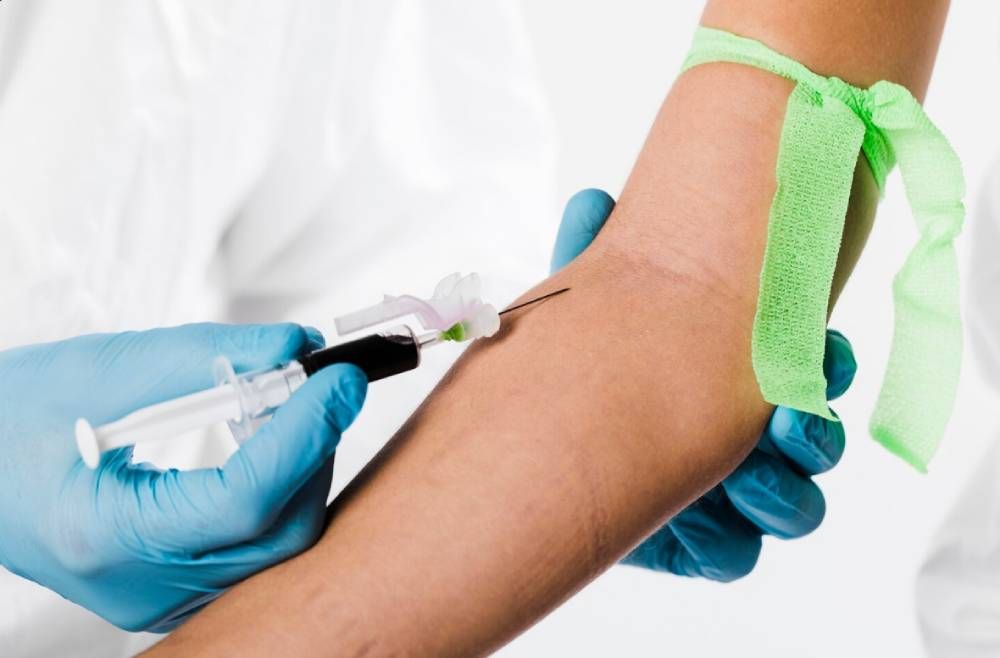
The ANA test procedure involves drawing a small blood sample, which is then analyzed in a laboratory to detect the presence of antinuclear antibodies. The test uses fluorescence or enzyme-linked assays to identify ANAs in the blood.
Fluorescent antibody test: Under a microscope, lab technicians assess fluorescence patterns that reveal the type and concentration of ANAs present. These patterns may include speckled, homogenous, or nucleolar, each associated with specific autoimmune conditions.
Enzyme-linked immunosorbent assay (ELISA): This method quantifies ANA levels, providing a numerical value to indicate the antibody concentration.
Results are typically ready within a few days, providing a timely way to assess immune health.
ANA Test for Immune Health Screening
The ANA test serves as a foundational screening tool for immune health and is particularly valuable in diagnosing autoimmune diseases. For individuals with persistent symptoms, it helps clarify whether the immune system is involved in causing their discomfort.
- Early detection of autoimmune diseases- For individuals experiencing symptoms that might be related to autoimmune conditions, the ANA test can offer an early indication of immune dysregulation.
- Guiding further diagnostic testing- While a positive ANA result alone isn’t definitive, it guides healthcare providers on what additional tests to order. For example, a positive ANA test may prompt tests specific to lupus or rheumatoid arthritis.
- Monitoring disease progression- In some cases, the ANA test may also help track the progression of certain autoimmune disorders. This is particularly useful in diseases like lupus, where antibody levels can fluctuate over time.
How to Interpret ANA Test Results?
The interpretation of an ANA test involves both quantitative and qualitative assessments. Results can be reported as positive or negative, and if positive, often include a titer and pattern description. Understanding these elements is crucial for diagnosing autoimmune conditions and assessing immune health.
- Positive ANA Test
A positive ANA test suggests that antinuclear antibodies are present, which may indicate an autoimmune disorder. However, a positive result does not confirm any specific disease; further testing is required for an accurate diagnosis. Positive ANA results are common in conditions like lupus, rheumatoid arthritis, and Sjogren’s syndrome.
- ANA Test Patterns
The pattern observed in an ANA test result can provide clues about the specific autoimmune condition present. Some common patterns include:
Homogeneous: Often associated with lupus or drug-induced lupus.
Speckled: Seen in various autoimmune conditions, including lupus, Sjogren’s syndrome, and scleroderma.
Nucleolar: Typically observed in cases of scleroderma.
- Normal Range for ANA Test
For most labs, an ANA titer of 1:40 or lower is often considered within the normal range, while titers 1:80 or higher may be considered positive. However, this threshold may vary by lab, and healthcare providers interpret ANA results in the context of symptoms and other diagnostic findings.
When Should You Consider an ANA Test?
An ANA test is most beneficial for individuals who present with symptoms consistent with autoimmune diseases. Common indications for ANA testing include:
- Persistent joint pain and swelling, particularly when coupled with fatigue and unexplained fever.
- Skin changes, example, conditions like lupus often present with rashes, especially a characteristic “butterfly rash” across the cheeks and nose.
- Chronic fatigue that does not improve with rest may signal an underlying autoimmune condition.
- Multiple unexplained symptoms
It is essential to consult with a healthcare provider to interpret symptoms and determine if an ANA test is appropriate. The ANA test price varies by location and facility.
Limitations of the ANA Test
While the ANA test provides valuable information, it has limitations:
- A positive ANA test does not confirm a specific autoimmune disorder. Further tests are required for a definitive diagnosis.
- Healthy individuals, particularly older adults, can occasionally test positive without having an autoimmune disease.
- Certain autoimmune conditions may produce a negative ANA result, despite the presence of disease.
When used alongside clinical symptoms and other diagnostic tests, the ANA test offers a valuable snapshot of immune function, helping in the early detection and monitoring of autoimmune diseases. For patients experiencing unexplained joint pain, fatigue, or skin rashes, consulting a healthcare provider about an ANA test can be a crucial step toward understanding and managing their immune health.
Featured Articles
Diabetes Screening For Diagnosis And Prevention
Posted on: 25th Oct 2023

Eating To Recover: The Best Foods For Getting Back On Your Feet After Cholera
Posted on: 22nd Jan 2026

What A Complete Blood Count (CBC) Tells You About Your Health
Posted on: 22nd Jan 2026