Book a Home Collection Now!
Fructosamine Test - Price, Purpose, Procedure, Normal Range
June 9, 2026 - By Lupin Diagnostics
Most people with diabetes know about HbA1c. But the fructosamine test offers something different: a snapshot of blood sugar control over just the past 2 to 3 weeks. This makes it especially useful when your doctor needs quicker answers. Here's what this test measures, why it's ordered, and what your results mean.
What Is a Fructosamine Test?
When glucose remains in your bloodstream, it binds to proteins such as albumin. This process is called glycation. The fructosamine test measures these glycated serum proteins in your blood.
Since albumin is the most abundant serum protein, fructosamine mostly reflects glycated albumin. Think of it as a 2- to 3-week diary of your blood sugar levels. While HbA1c reflects the past 2 to 3 months, fructosamine captures a much shorter window.
This shorter tracking period has real advantages. It helps doctors spot changes faster, especially after starting a new treatment plan. Your doctor can best explain which test suits your situation best.
What Is the Fructosamine Test Purpose?
A doctor typically orders this diabetes management lab test in specific situations. HbA1c is not always reliable, and that's where fructosamine steps in.
Your doctor may recommend this test when:
- Red blood cell conditions exist: Anaemia, sickle cell trait, or thalassaemia can make HbA1c unreliable. Fructosamine bypasses this issue entirely.
- Treatment has changed recently: Starting insulin or corticosteroid therapy? Fructosamine shows results in weeks, not months.
- Short-term blood sugar monitoring is needed. Gestational diabetes or rapid medication adjustments need quicker feedback.
Fructosamine works as a valid alternative biomarker in these special populations. It fills a genuine gap in diabetes care.
How Does HbA1c Compare With Fructosamine?
Understanding the HbA1c vs fructosamine comparison helps you make sense of your reports.
| Feature | Fructosamine | HbA1c |
|---|---|---|
| What it measures | Glycated serum proteins (mainly albumin) | Glycated haemoglobin in red blood cells |
| Monitoring window | 2–3 weeks | 8–12 weeks |
| Affected by RBC disorders | Not affected | Yes, anaemia and sickle cell traits may alter results |
| Standardisation | Varies across labs | Well-standardised globally |
| Cost | Generally lower reagent cost | Widely available, moderate cost |
Both tests are valuable. They simply answer different questions about your blood sugar history.
What Is the Fructosamine Test Normal Range?
The normal range for the fructosamine test in non-diabetic adults is generally 200 to 285 µmol/L. However, reference ranges can vary between laboratories because fructosamine assays are not standardised. Always check the specific range printed on your lab report.
| Status | Fructosamine Level (µmol/L) |
|---|---|
| Non-diabetic (typical range) | 200–285 |
| Poorly controlled diabetes | Can reach 2–5 times the upper limit |
What Do High or Low Levels Mean?
Elevated fructosamine signals poor blood sugar control over recent weeks. In uncontrolled diabetes, levels can climb to two to five times the normal upper limit.
Unexpectedly low readings need attention too; they may point to conditions that reduce blood protein levels:
- Liver cirrhosis (reduced albumin production)
- Nephrotic syndrome (protein loss through the kidneys)
- Protein-losing gut conditions
The test becomes unreliable when serum albumin drops below 3.0 g/dL. Discuss any unusual results with your healthcare provider for proper interpretation.
Fructosamine Test Procedure and Price
What Happens During the Test?
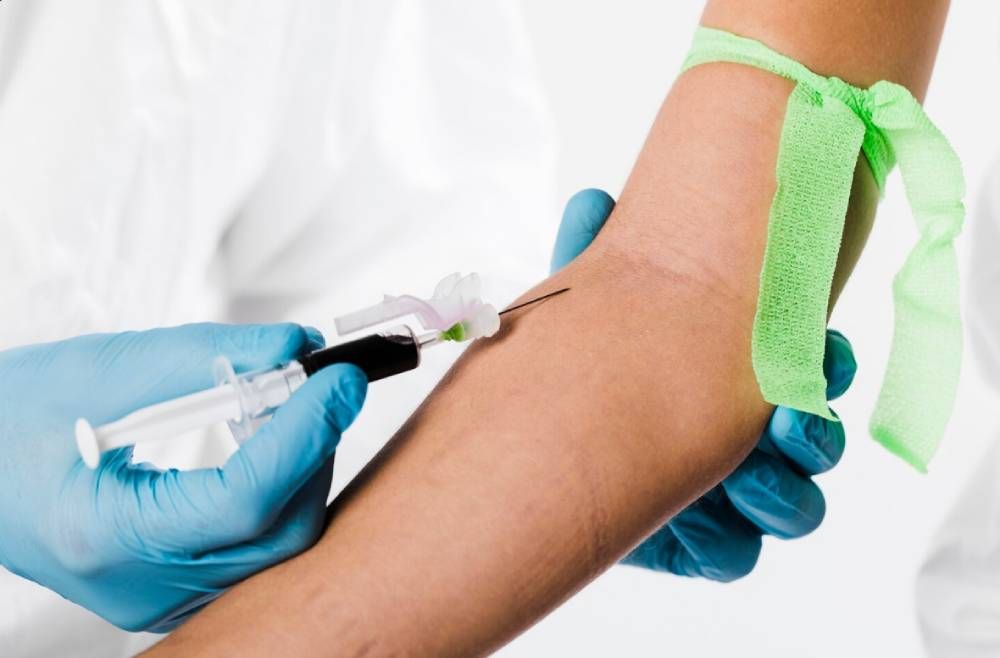
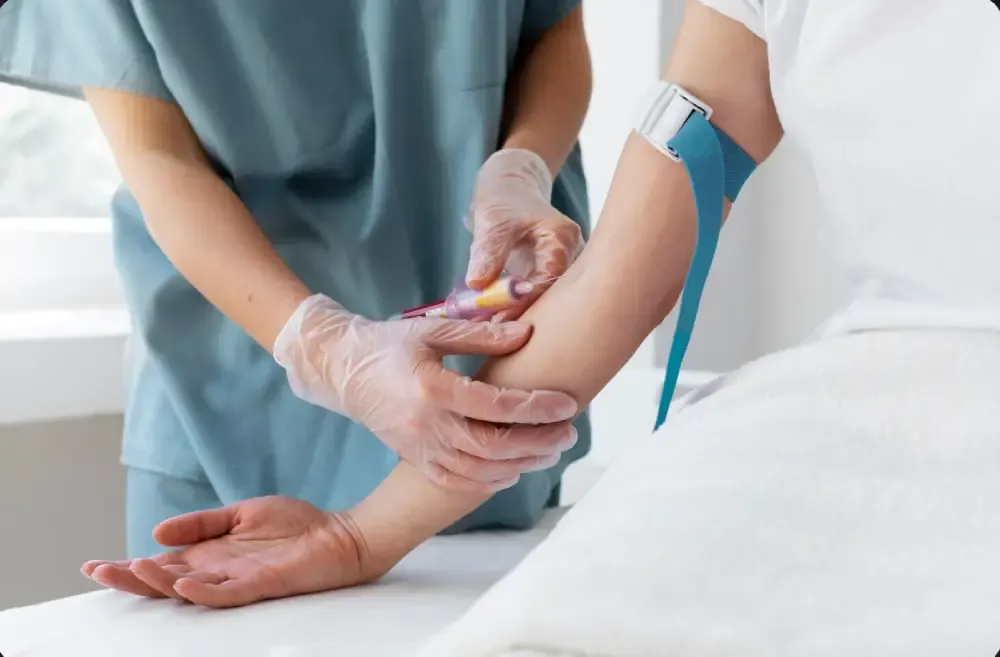
The fructosamine test procedure is straightforward. A phlebotomist draws blood from a vein, usually at the inner elbow. A small needle is inserted, and the sample is collected in a tube. The entire process takes less than 3 minutes.
Good news: you do not need to fast beforehand. Eat and drink as you normally would.
How Much Does It Cost?
The fructosamine test price varies across India depending on the diagnostic lab, city, and any health packages you opt for. The test itself uses simple colourimetry-based methods, which keep reagent costs relatively low. Contact your nearest diagnostic centre for current pricing.
Making the Most of Your Fructosamine Results
The fructosamine test fills a critical gap in diabetes monitoring. It gives your doctor a quicker read on how well your blood sugar has been managed, especially when HbA1c falls short. Whether you're monitoring for gestational diabetes or adjusting medications, this test delivers results in a shorter timeframe.
Curious about your blood sugar control? Lupin Diagnostics offers a wide range of diabetes-related tests at NABL-accredited labs across India. Book your test today for reliable, timely results.
Frequently Asked Questions
Does a fructosamine test require fasting beforehand?
Fasting is not needed. You can eat and drink normally before giving your blood sample.
Why would a doctor order a fructosamine test instead of an HbA1c test?
When conditions such as anaemia, sickle cell trait, or thalassaemia shorten red blood cell lifespan, HbA1c becomes unreliable. Fructosamine measures glycated proteins instead, giving accurate short-term results.
Can pregnancy affect your fructosamine test results?
Yes. Serum albumin levels tend to drop during the second trimester of pregnancy. This can lower fructosamine readings and affect accuracy.
How often should a person with diabetes get a fructosamine test?
Frequency depends on your clinical situation. Doctors often order it every 2 to 3 weeks during rapid changes in treatment. Your healthcare provider will determine the right schedule.
What conditions can cause a falsely low fructosamine reading?
Liver cirrhosis, nephrotic syndrome, and protein-losing gut conditions reduce albumin levels. This leads to falsely low fructosamine values that may not reflect actual blood sugar control.
Is the fructosamine test used to diagnose diabetes, or just to manage it?
It is primarily used to monitor blood sugar control and predict complications. It is not a standard tool for the initial diagnosis of diabetes. Your doctor may use it alongside other tests for a complete picture.
This article is for informational purposes only and does not replace professional medical advice, diagnosis, or treatment. Always consult a qualified healthcare provider for any medical concerns or before making changes to your health management plan.
Featured Articles

Dehydrated How To Make A Lifesaving Diy Rehydration Drink For Cholera Recovery
Posted on: 22nd Jan 2026
Diabetes Screening For Diagnosis And Prevention
Posted on: 25th Oct 2023

Eating To Recover: The Best Foods For Getting Back On Your Feet After Cholera
Posted on: 22nd Jan 2026