Book a Home Collection Now!
Early Signs and Symptoms of Weak Heart Symptoms You Shouldn't Ignore
May 22, 2026 - By Lupin Diagnostics
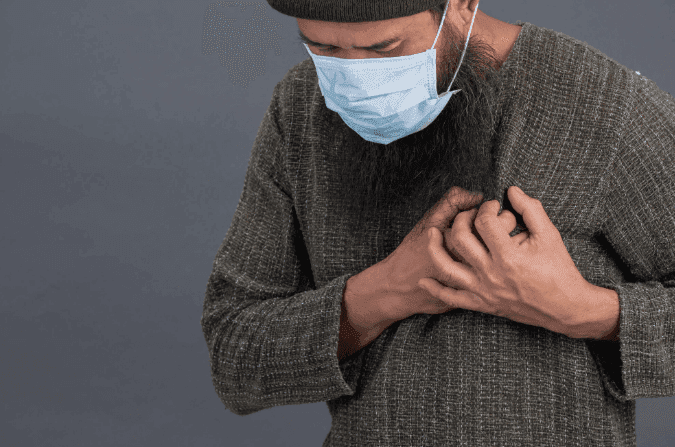
A "weak heart" is the everyday term for heart failure or cardiomyopathy. It doesn't mean your heart has stopped working. It means the heart muscle can't pump blood as efficiently as it should. This leads to weak heart symptoms like fatigue, fluid build-up, and breathlessness that creep in gradually.
Early detection matters because timely care can help people feel better and even improve heart function. Recognising these early signs of heart failure can make a real difference in how well the condition is managed.
This article walks you through those early warning signs, what causes them, and when to seek help.
What Exactly Does a "Weak Heart" Mean?
Your heart's pumping strength is measured by something called ejection fraction (EF). Think of it as a percentage score for your heart's efficiency. Here is a table showing the range of ejection fraction:
| Ejection Fraction (EF) Category | Range | What It Means |
|---|---|---|
| Normal | 50% or above | The heart pumps well |
| Mildly reduced | 41–49% | Slightly below normal |
| Reduced (HFrEF) | 40% or below | The heart is significantly weakened |
A normal EF of 50% or more means your heart pushes out at least half the blood it holds with each beat. An EF of 40% or below signals that the heart muscle has weakened considerably.
What Are the 7 Early Signs of a Weak Heart?
These early signs of heart failure are easy to dismiss individually. Together, they paint a clearer picture.
Fatigue
Feeling drained despite adequate rest is one of the earliest cardiac fatigue symptoms. When the heart pumps less blood, muscles and organs receive less oxygen. Even daily chores can feel exhausting. If persistent tiredness affects your routine, speak with a doctor.
Shortness of Breath
Dyspnoea (difficulty breathing) often appears first during physical activity. As the heart weakens further, breathlessness can occur even at rest. Fluid may build up in or around the lungs, making breathing harder when lying flat.
Swelling (Oedema)
Oedema means fluid collecting in the ankles, feet, or abdomen. Weight gain over a few days without dietary changes can signal fluid retention. Shoes feeling tighter than usual is a common early clue.
Persistent Cough
A lingering cough, especially one that worsens at night, can point to fluid around the lungs. This is different from a cold-related cough. It tends to produce white or pinkish mucus.
Irregular Heartbeat
Your heart may beat too fast, flutter, or pound noticeably. These cardiac fatigue symptoms occur as the heart compensates for reduced pumping efficiency. Report any unusual heart rhythms to your healthcare provider promptly.
Dizziness
Reduced blood flow to the brain can cause lightheadedness. Standing up quickly may trigger dizzy spells. This happens because the heart cannot adjust blood pressure fast enough.
Lack of Appetite
A weak heart can reduce blood flow to the stomach, making nutrient absorption harder. Abdominal swelling and nausea often make eating uncomfortable, which may lead to unintended weight loss.
These weak heart signs can have causes other than heart failure. A proper medical evaluation is essential for accurate diagnosis.
What Causes the Heart Muscle to Weaken?
Several factors can lead to weak heart signs over time:
- High blood pressure (hypertension): When blood vessel pressure stays too high, the heart pumps harder to keep blood moving. Over time, this enlarges and weakens the heart chambers.
- Coronary artery disease (CAD): Blocked or narrowed arteries reduce blood supply to the heart muscle itself.
- Type 2 diabetes: People with diabetes often develop high blood pressure and cholesterol buildup, both of which strain the heart.
- Smoking and excess alcohol: These damage blood vessels and heart tissue directly.
- Obesity and sedentary habits: Extra weight forces the heart to work harder with every beat.
Managing these risk factors early can protect your heart. Discuss your personal risk with a qualified doctor.
How Do Doctors Diagnose a Weak Heart?
If your doctor suspects heart failure, a few tests can confirm it:
- ECG (Electrocardiogram): Records your heart's electrical activity to detect rhythm problems.
- 2D Echo (Echocardiogram): An ultrasound of the heart that measures your ejection fraction and shows how well each chamber is working.
- NT-proBNP blood test: This biomarker rises when the heart is under stress. It helps doctors confirm or rule out heart failure with high accuracy.
Together, these tests help doctors confirm or rule out heart failure accurately.
Your doctor will decide which tests suit your situation best.
Lifestyle Tips to Support Your Heart Health
Small, consistent changes go a long way in protecting heart function:
- Reduce salt intake: Excess sodium raises blood pressure, increasing heart failure risk. Use herbs and spices for flavour instead.
- Stay moderately active: A daily 20–30 minute walk helps. Even light movement improves circulation.
- Manage stress: Anxiety makes the heart work harder. Try pranayama, meditation, or simply stepping away from screens.
- Watch your weight: Maintaining a healthy weight reduces cardiac strain significantly.
- Limit alcohol and avoid smoking: Both directly damage heart muscle over time.
Always discuss any new exercise or dietary changes with your doctor first.
Conclusion: Taking Action Today
Weak heart symptoms rarely arrive with a bang. They build slowly – a little more breathlessness, a little more tiredness, shoes that feel tighter by evening. With evidence-based care and early intervention, heart function can often be preserved or even improved. Paying attention to these signals is the single most powerful step you can take.
If you've noticed any of these signs, getting tested early gives you clarity and peace of mind. Lupin Diagnostics offers comprehensive heart health check-ups, including ECG and NT-proBNP blood tests, at NABL-accredited labs across India.
Frequently Asked Questions
How can I tell if my heart is getting weak?
Watch for breathlessness during routine activities, unusual tiredness, swelling in your ankles, and a persistent cough. If these signs appear together, consult a doctor for evaluation.
Can a weak heart be reversed?
With early intervention and evidence-based treatment, heart function can improve in many cases. Lifestyle changes and timely medical care play a significant role.
Why do I get out of breath when lying down?
Fluid can accumulate in or around the lungs when the heart pumps poorly. Lying flat redistributes this fluid, making breathing more difficult.
Is leg swelling always a heart problem?
Leg swelling has several possible causes, including kidney issues and vein problems. However, sudden swelling alongside breathlessness warrants a heart evaluation.
What is a healthy heart pumping percentage?
A normal ejection fraction is 50% or above. Readings between 41–49% indicate mildly reduced function, while 40% or below signals significant weakness.
Can anxiety mimic weak heart symptoms?
Yes. Anxiety can cause palpitations, chest tightness, and breathlessness. An ECG and NT-proBNP blood test can help differentiate anxiety from actual heart failure.
Why does a weak heart cause a cough?
When the heart cannot pump effectively, fluid builds up in the lungs. This congestion irritates the airways and triggers a persistent cough.
When should I see a cardiologist?
If you experience one or more heart failure symptoms such as breathlessness, swelling, or fatigue, report them to a healthcare professional even without a prior diagnosis.
Disclaimer
This article is for informational and educational purposes only. It does not replace professional medical advice, diagnosis, or treatment. If you have concerns about your heart health, please consult a qualified healthcare provider for personalised guidance.
Featured Articles
Diabetes Screening For Diagnosis And Prevention
Posted on: 25th Oct 2023

Eating To Recover: The Best Foods For Getting Back On Your Feet After Cholera
Posted on: 22nd Jan 2026
What A Complete Blood Count (CBC) Tells You About Your Health
Posted on: 22nd Jan 2026