Book a Home Collection Now!
Early Heart Attack Symptoms: Warning Signs You Should Never Ignore
May 20, 2026 - By Lupin Diagnostics
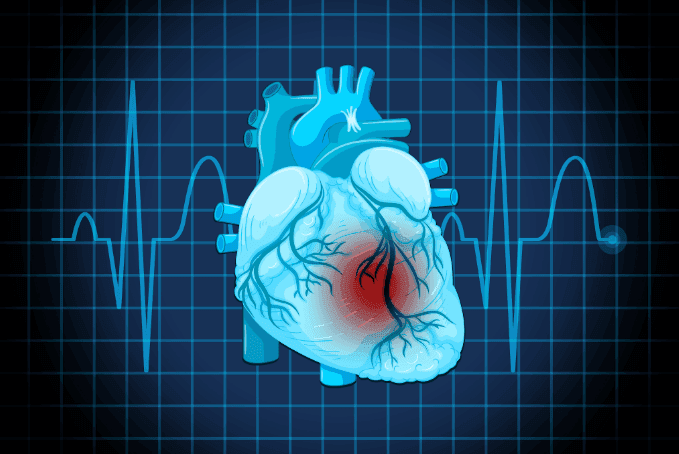
A sudden tightness in your chest during a morning walk. An unusual wave of fatigue that lingers for days. Early warning signs of a heart attack can be surprisingly subtle, and recognising them early could save your life. Every minute without treatment means more damage to the heart muscle.
This article covers the key heart attack symptoms to watch for, how they differ between men and women, and what to do the moment they appear.
What Are the Most Common Heart Attack Symptoms?
Not every myocardial infarction or heart attack looks like the dramatic scenes in films. Many begin slowly, with mild discomfort that builds over minutes.
Watch for these common heart attack signs:
- Chest discomfort: Uncomfortable pressure, squeezing, fullness, or pain in the centre or left side of the chest
- Upper body pain: Discomfort spreading to the arms, back, neck, jaw, or stomach
- Shortness of breath: This can occur with or even before chest discomfort
- Cold sweat: Breaking into a sweat without physical exertion
- Light-headedness: Feeling weak, dizzy, or faint
Chest discomfort is the most widely recognised sign. But it is not always present, which is why knowing the full picture matters.
How Do Heart Attack Symptoms Differ in Women vs Men?
This is one of the most important distinctions to understand. While chest pain (angina) remains the most common symptom for both men and women, women are more likely to experience additional, less obvious signs.
| Symptom | Men | Women |
|---|---|---|
| Chest pain or pressure | Very common | Common, but may feel like upper back pressure |
| Jaw or neck pain | Less common | More common |
| Nausea or vomiting | Occasional | More likely |
| Unexplained fatigue | Less frequent | Often reported |
| Shortness of breath | Common | Common |
| Cold sweat | Common | Common |
Some women describe a sensation as if a rope is being tightened around their upper back. Others feel overwhelming tiredness days before the event. These heart attack symptoms in women vs men mean many women delay seeking help, a dangerous gap.
If you experience any of these signs, contact emergency services immediately.
What Is a Silent Heart Attack, and Could You Miss One?
A silent heart attack happens with mild or no noticeable symptoms. The person may mistake it for indigestion, muscle strain, or simple fatigue. That is what makes it so risky.
Research suggests that about one in five heart attacks may be "silent." A silent heart attack raises the risk of heart failure by about 35% compared to people with no heart attack history. The damage still happens, even without dramatic symptoms.
Early Warning Signs of Heart Attack: Days or Weeks Before
Over 50% of people who have a heart attack experience early signs beforehand. These subtle clues can appear days or even weeks in advance:
- Unusual or unexplained tiredness that does not improve with rest
- Sleep disturbances or difficulty staying asleep
- Mild chest tightness that comes and goes
- Indigestion-like discomfort unrelated to meals
- Shortness of breath during routine activities
These signs are easy to brush off. But if they are new, persistent, or worsening, they deserve medical attention. Speaking with a doctor early could prevent serious heart damage.
What Should You Do Immediately During a Heart Attack?
Speed is everything. The first hour after symptoms begin, sometimes called the "golden hour", is when treatment can make the biggest difference. Here is what to do:
- Call emergency services immediately: In India, dial 112 or your local ambulance number. Do not drive yourself to the hospital
- Stay calm and sit down: Avoid unnecessary physical effort
- Chew an aspirin only if a doctor has previously advised you to do so: Never self-medicate without prior guidance
- Loosen tight clothing: Help the person breathe more easily
- Do not ignore mild symptoms: Even if the discomfort feels manageable, get it checked
Heart attack and panic attack symptoms can feel remarkably similar. When in doubt, always err on the side of caution and seek help.
How Can You Reduce Your Heart Attack Risk?
Three major risk factors for cardiovascular disease stand out: high blood pressure, high blood cholesterol, and smoking. Many people carry at least one of these without realising it.
Simple lifestyle shifts can make a meaningful difference:
- Stay physically active: Even a 30-minute daily walk helps
- Choose heart-friendly foods: More vegetables, dal, whole grains, and less fried or processed food
- Quit smoking and limit alcohol intake
- Monitor your blood pressure and cholesterol regularly
- Manage stress through yoga, meditation, or breathing exercises
These suggestions are general in nature. Your doctor can help you create a plan suited to your individual health profile.
Listen to Your Body: Every Minute Matters
Heart attacks do not always announce themselves loudly. A quiet ache, unexpected breathlessness, or lingering fatigue could be your body's way of sending a warning. Recognising early heart attack symptoms and acting quickly can truly be life-saving. Do not wait for symptoms to "get worse" before seeking help.
If you want to stay on top of your heart health, regular check-ups are a smart first step. Lupin Diagnostics offers comprehensive cardiac health profiles at NABL-accredited labs across India — book a test to know where you stand.
Frequently Asked Questions
What does heart attack chest pain feel like?
Chest pain associated with a heart attack often feels like uncomfortable pressure, squeezing, or fullness in the centre or left side of the chest. The sensation may last several minutes or come and go.
Can you have a heart attack without chest pain?
Yes. Some people, especially women, experience nausea, unusual fatigue, or shortness of breath without any chest pain at all.
How do I know if it's a heart attack or anxiety?
Heart attacks often start with mild pain that worsens over minutes, while panic attacks tend to peak quickly. If you are unsure, seek emergency care immediately.
What are the signs of a heart attack in women?
Chest discomfort is most common, but women may also feel upper back pressure, jaw pain, nausea, and unexplained tiredness more frequently than men.
Is a "silent heart attack" dangerous?
Yes. It raises the risk of heart failure by about 35%, even though the person may not recall having obvious symptoms.
How long do early warning signs last?
They can be mild and fleeting, appearing and disappearing over hours, days, or even weeks before the actual event.
Should I take aspirin during a heart attack?
Only if a healthcare provider has previously advised you to do so. Always call emergency services first.
Can indigestion be a sign of a heart attack?
Yes. Silent heart attacks can mimic indigestion, muscle strain, or prolonged fatigue, making them easy to overlook.
What is the "golden hour" in heart attacks?
It refers to the first hour after symptoms begin, when prompt treatment can dramatically improve outcomes and reduce heart damage.
Disclaimer
This article is for informational purposes only and does not constitute medical advice, diagnosis, or treatment. If you experience any symptoms described above, contact emergency services or consult a qualified healthcare professional immediately. Always seek personalised medical guidance from your doctor.
Featured Articles
Diabetes Screening For Diagnosis And Prevention
Posted on: 25th Oct 2023

Eating To Recover: The Best Foods For Getting Back On Your Feet After Cholera
Posted on: 22nd Jan 2026

What A Complete Blood Count (CBC) Tells You About Your Health
Posted on: 22nd Jan 2026