Book a Home Collection Now!
Difference Between Fasting Blood Sugar and HbA1c Test
June 4, 2026 - By Lupin Diagnostics
You just got your blood test report, and the difference between fasting blood sugar and HbA1c test results has you puzzled. One looks normal; the other seems off. This confusion is common, and understanding how these two tests work can help you make sense of your reports. Here's what each test measures and why your doctor may ask for both.
What Is a Fasting Blood Sugar (FBS) Test?
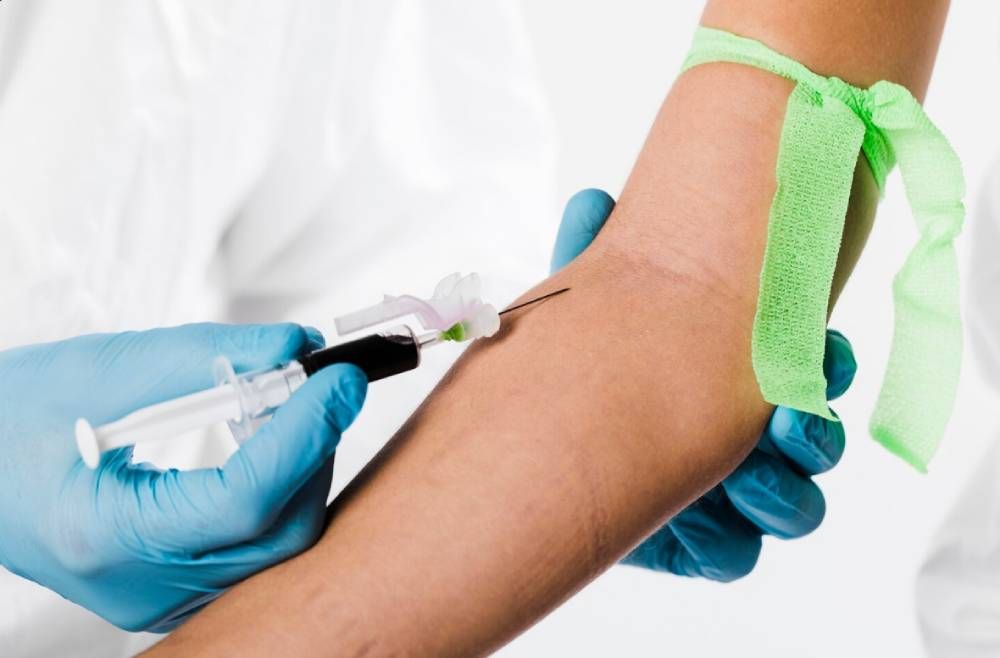
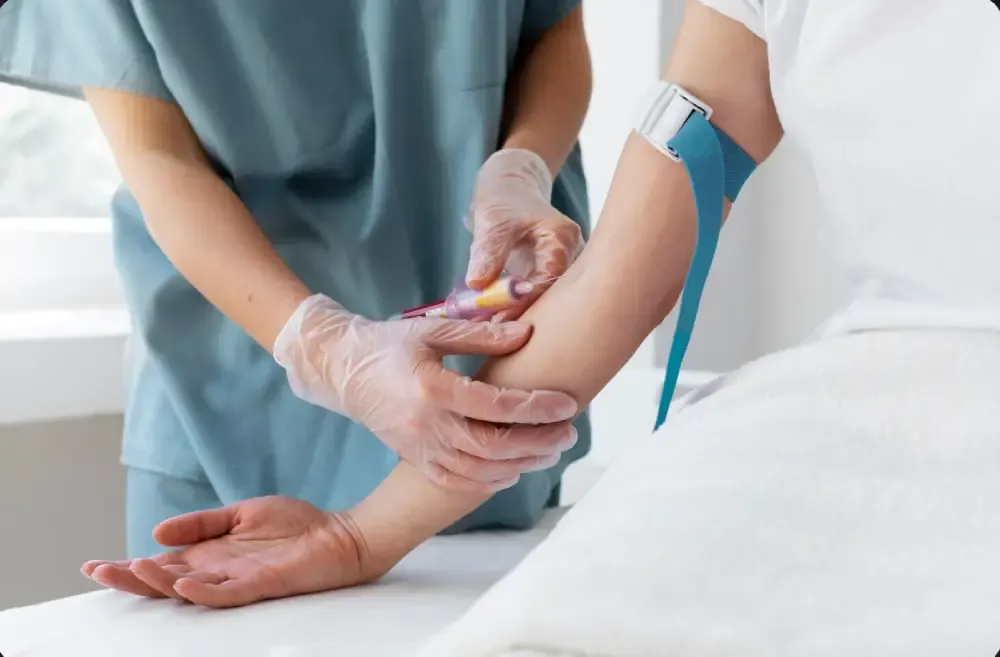
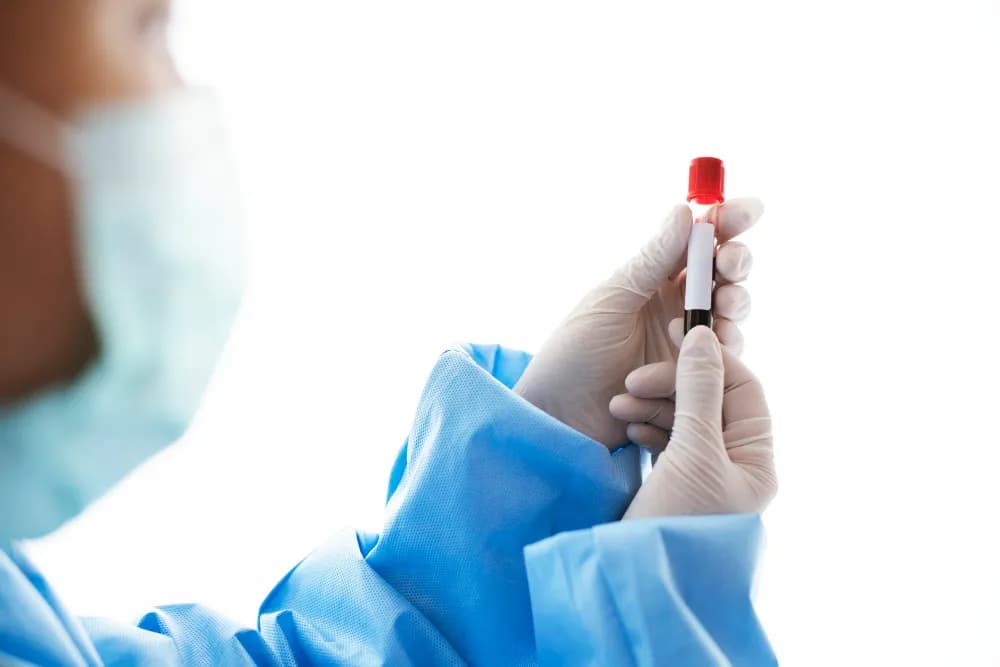
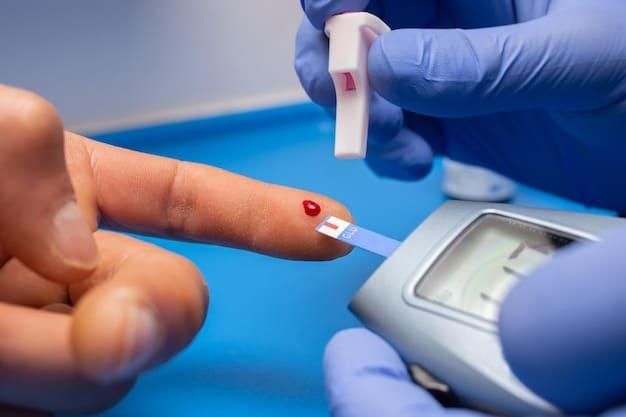
Think of the fasting blood sugar (FBS) test as a photograph. It captures your blood glucose at one specific moment. You fast for at least 8 hours beforehand — no food, no chai, no biscuits. Then a blood sample is drawn. The result tells your doctor how well your body handles glucose after an overnight fast.
Because it's a single-moment reading, the number can shift based on what happened the night before. A stressful day, a heavy dinner, or even poor sleep can nudge it higher. That's useful for spotting immediate patterns but is limited for the bigger picture.
What Is an HbA1c (Haemoglobin A1c) Test?
If the FBS test is a photograph, the HbA1c test is more like a 3-month video. When sugar enters your bloodstream, some of it attaches to haemoglobin — the protein inside red blood cells. The HbA1c test measures the percentage of red blood cells coated with sugar.
Red blood cells regenerate roughly every 3 months. So the test reflects your average blood sugar over that entire period. The best part? You don't need to fast. You can eat breakfast and still walk into the lab for this one.
What Are the Key Differences Between the Fasting Blood Sugar and HbA1c Test?
The core distinction is simple: one measures a moment, the other measures months. Here's a side-by-side look at how the fasting blood sugar vs HbA1c test compare:
| Feature | Fasting Blood Sugar (FBS) | HbA1c |
|---|---|---|
| Time window measured | Single point in time | Average over 2–3 months |
| Fasting required? | Yes — at least 8 hours | Not required |
| Affected by daily stress or meals? | Yes — results can fluctuate | Stable and unaffected by recent meals or stress |
| Primary use | Detecting immediate glucose levels | Diagnosing and monitoring long-term control |
Because HbA1c stays stable regardless of what you ate that morning, doctors often prefer it for tracking progress over time.
How Do Normal, Prediabetes, and Diabetes Ranges Compare?
Both tests use different units, so comparing them directly can feel confusing. This table puts the numbers side by side:
| Category | Fasting Blood Sugar (mg/dL) | HbA1c (%) |
|---|---|---|
| Normal | Below 100 | Below 5.7 |
| Prediabetes | 100–125 | 5.7–6.4 |
| Diabetes | 126 or higher | 6.5 or higher |
A fasting reading of 110 mg/dL falls in the prediabetes zone. An HbA1c of 6.0% also signals prediabetes. Your doctor looks at both numbers together before reaching any conclusion. Please consult your physician for interpreting your specific results.
Why Might Your Fasting Blood Sugar and HbA1c Results Disagree?
This is perhaps the most confusing scenario — and it is more common than you think.
Factors That Shift Fasting Blood Sugar
Your fasting reading can swing due to several short-term triggers:
- The Dawn Phenomenon: Your liver releases extra glucose in the early morning hours. This affects over 50% of people with diabetes.
- Poor sleep or acute stress: A restless night can raise morning glucose levels noticeably.
- Recent diet changes: What you ate the previous evening matters.
Factors That Affect HbA1c Accuracy
HbA1c is stable day-to-day, but certain health conditions can skew it:
- Anaemia or recent blood loss can shorten red blood cell lifespan, giving a misleadingly low reading
- Haemoglobin variants — more common in some populations — can alter results
- Pregnancy or kidney disease may also affect accuracy
If your two results seem contradictory, speak with your doctor for a proper interpretation.
Which Test Works Better for Tracking and Diagnosis?
Neither test alone tells the full story. Doctors typically use both as complementary tools. HbA1c is excellent for monitoring long-term blood sugar management. For most people with diabetes, the target HbA1c is around 7% or less — though your doctor sets your specific goal.
FBS, on the other hand, helps spot day-to-day patterns. If your morning readings are consistently high, it flags an immediate concern. Together, these tests give your doctor a complete view of your metabolic health.
Getting both tests done regularly is a smart move — especially if you have prediabetes or diabetes. If you'd like to get your levels checked conveniently, Lupin Diagnostics offers both tests at NABL-accredited labs and home collection centres across India.
Frequently Asked Questions
Can I have a normal fasting blood sugar but a high HbA1c?
Yes. This often happens when blood sugar spikes after meals but returns to normal while fasting. The HbA1c captures those post-meal highs that a fasting test misses.
Does drinking water before a fasting blood sugar test affect the results?
Plain water does not contain calories or glucose. Drinking it before the test will not alter your fasting blood sugar reading.
How often should someone with diabetes or prediabetes check their HbA1c vs daily fasting levels?
For prediabetes, doctors usually recommend an HbA1c test every 1 to 2 years. People with diabetes may need it every 3 to 6 months, alongside regular fasting glucose monitoring.
Can a sudden spike in stress or an illness alter my HbA1c test score?
A single stressful event or short illness is unlikely to change your HbA1c. The test reflects a 3-month average, so it remains stable against short-term fluctuations.
Why doesn't the HbA1c test require fasting, as the regular blood sugar test does?
HbA1c measures sugar attached to haemoglobin over the past 3 months. A single meal has no meaningful effect on this accumulated reading.
What conditions can falsely lower or raise an HbA1c percentage?
Anaemia, haemoglobin variants, recent blood transfusions, pregnancy, kidney failure, and liver disease can all skew HbA1c results in either direction.
This article is for informational purposes only and does not substitute professional medical advice, diagnosis, or treatment. If you have concerns about your blood sugar levels, please consult a qualified healthcare provider.
Featured Articles

Dehydrated How To Make A Lifesaving Diy Rehydration Drink For Cholera Recovery
Posted on: 22nd Jan 2026
Diabetes Screening For Diagnosis And Prevention
Posted on: 25th Oct 2023
Eating To Recover: The Best Foods For Getting Back On Your Feet After Cholera
Posted on: 22nd Jan 2026