Book a Home Collection Now!
Daily Oral Care Routines That Protect Your Heart Brain And Overall Health
September 12, 2025 - By Lupin Diagnostics
Good oral hygiene is often associated with fresh breath and a bright smile. However, research now shows that your mouth is a gateway to your overall health. Poor oral health is linked to cardiovascular disease, stroke, diabetes complications, and respiratory infections. Daily oral care routines can protect far more than just your teeth.
Why Daily Oral Care Is About More Than Fresh Breath
The Connection Between Oral Health and the Whole Body
The mouth hosts billions of bacteria. When oral hygiene is poor, harmful bacteria form plaque, leading to gum inflammation such as gingivitis and periodontitis. These bacteria and inflammatory molecules can enter the bloodstream, contributing to systemic inflammation that affects the heart, brain, and lungs.
Inflammation plays a central role in many chronic diseases, making oral care an important part of preventive healthcare.
How Daily Oral Care Reduces Health Risks
- Reduces systemic inflammation
- Lowers harmful bacterial spread beyond the mouth
- Supports blood sugar control
- Helps prevent arterial plaque formation
- Reduces bacteria linked to lung infections
Can Oral Care Help Prevent Heart Disease?
How Gum Inflammation Affects the Heart
Bacteria such as Porphyromonas gingivalis found in dental plaque can promote vascular inflammation and contribute to atherosclerosis. People with periodontitis often show elevated C-reactive protein (CRP), a marker associated with cardiovascular disease.
Why Gingivitis Control Supports Heart Health
Controlling gum inflammation through brushing, flossing, and professional dental cleaning reduces inflammatory burden on the cardiovascular system.
When to Consider a Lipid Profile and CRP Test
If you experience bleeding gums, gum recession, or persistent bad breath—especially with a family history of heart disease—testing may help identify hidden risks. A Lipid Profile and CRP Test assess cholesterol levels and inflammation.
These tests are available at Lupin Diagnostics.
Daily Oral Care and Stroke Prevention
Oral Hygiene and Stroke Risk
Poor gum health increases systemic inflammation and contributes to arterial plaque formation. Studies show that severe periodontitis is associated with a significantly higher risk of ischemic stroke.
Oral Bacteria and Carotid Artery Health
Oral pathogens may accelerate narrowing of the carotid arteries, reducing blood flow to the brain and increasing stroke risk.
Carotid Doppler Scan as Preventive Screening
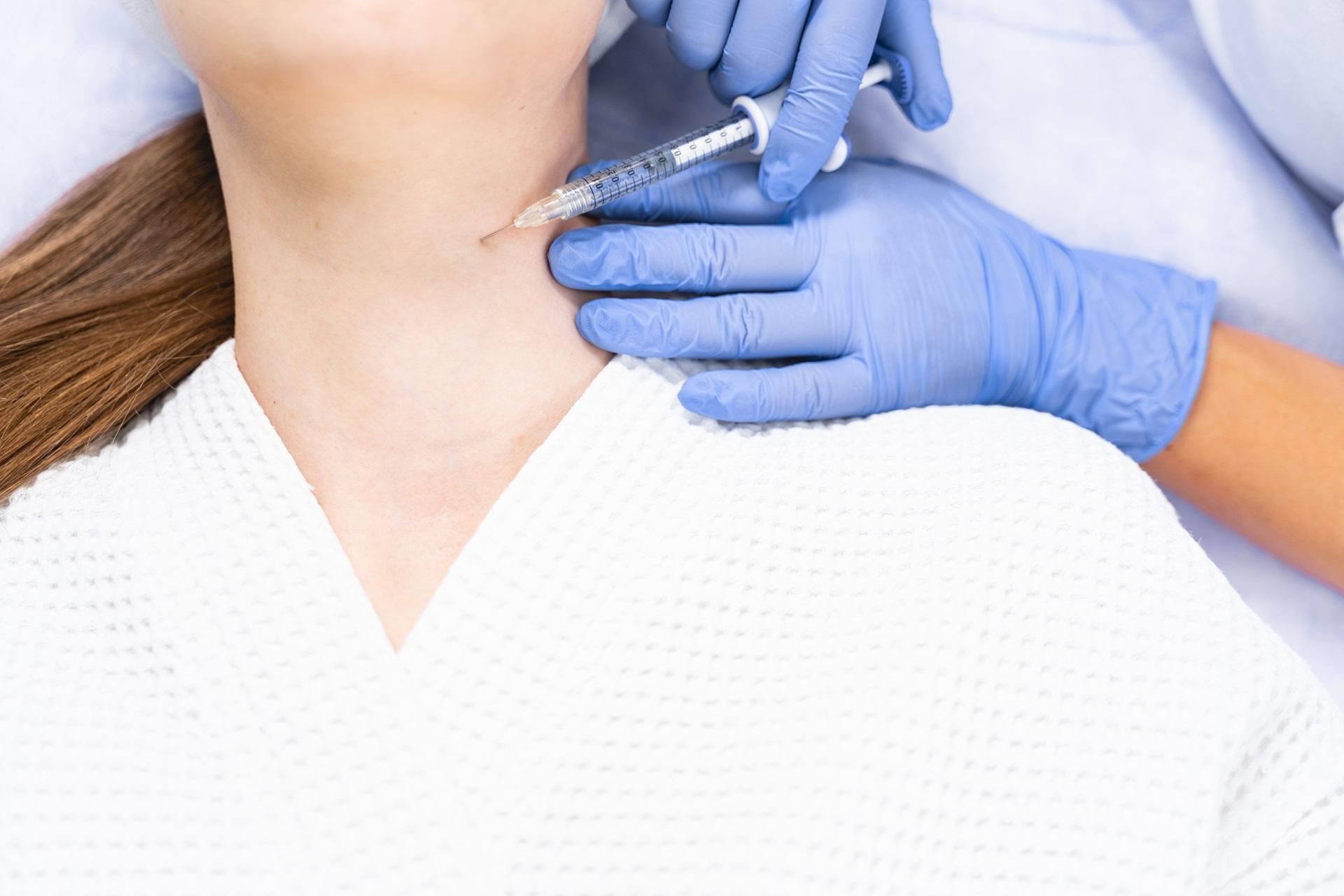
A Carotid Doppler Scan is a non-invasive test that evaluates blood flow in the neck arteries. It is recommended for individuals with gum disease, hypertension, or a family history of stroke.
Oral Hygiene Tips for People with Diabetes
The Two-Way Relationship Between Diabetes and Gum Health
High blood sugar promotes bacterial growth in the mouth, worsening gum disease. At the same time, untreated gum infections can increase blood glucose levels, making diabetes harder to control.
Common Oral Issues in Diabetes
- Gum swelling and bleeding
- Dry mouth
- Delayed healing after dental procedures
- Recurrent oral infections
Daily brushing, flossing, alcohol-free mouthwash, and regular dental visits help reduce these risks.
Why the Fasting Blood Sugar Test Matters
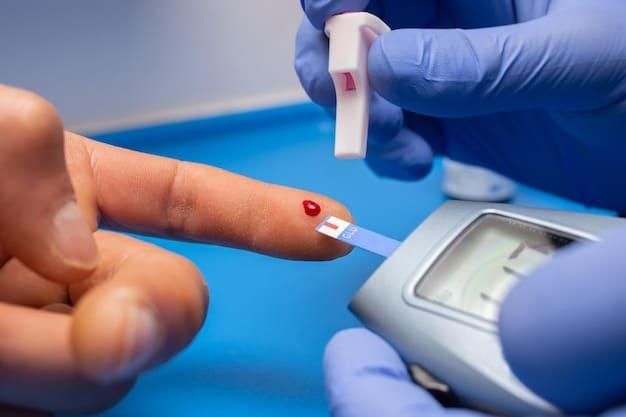
Frequent gum infections or bleeding may indicate poor metabolic control. A Fasting Blood Sugar (FBS) Test can help detect undiagnosed diabetes or monitor glucose control.
How Oral Care Reduces Respiratory Infection Risk
The Oral–Pulmonary Connection
Oral bacteria can be aspirated into the lungs, particularly in older adults or those with weakened immunity, increasing the risk of pneumonia and other respiratory infections.
Oral Infections and Lung Disease
- Worsening of chronic obstructive pulmonary disease (COPD)
- Higher risk of hospital-acquired pneumonia
- Increased lung inflammation
Daily Habits to Protect Lung Health
- Brush teeth and tongue twice daily
- Floss daily
- Use antiseptic mouthwash if advised
- Replace toothbrush every three months
- Attend regular dental check-ups
Step-by-Step Daily Oral Care Routine
Brushing and Flossing
- Use a soft-bristled toothbrush and fluoride toothpaste
- Brush for two minutes twice daily
- Floss once daily to remove plaque between teeth
Electric toothbrushes and floss aids are useful for older adults or those with limited dexterity.
Tongue Cleaning
Cleaning the tongue daily reduces bacterial load and prevents transfer of pathogens to the throat and lungs.
Professional Dental Cleanings
Routine dental cleanings remove tartar and help detect early gum disease. A dental visit every six months is recommended, or more often for high-risk individuals.
When to Combine Dental Care with Health Screening
Diagnostic tests can enhance preventive care when oral symptoms coexist with systemic risk factors.
- Lipid Profile and CRP Test: For cardiovascular risk assessment
- Carotid Doppler Scan: For early stroke risk detection
- Fasting Blood Sugar Test: For diabetes and gum disease monitoring
These screenings are available at Lupin Diagnostics.
Final Takeaway: Strong Teeth, Strong Body
Daily oral care is a cornerstone of preventive health. Maintaining good oral hygiene helps:
- Lower heart disease risk
- Reduce stroke triggers
- Support diabetes control
- Prevent respiratory infections
Pair consistent oral hygiene with timely health screenings to detect silent risks early. Your mouth reflects your overall health—make sure it tells a healthy story.
Featured Articles
Diabetes Screening For Diagnosis And Prevention
Posted on: 25th Oct 2023

Eating To Recover: The Best Foods For Getting Back On Your Feet After Cholera
Posted on: 22nd Jan 2026

What A Complete Blood Count (CBC) Tells You About Your Health
Posted on: 22nd Jan 2026