Book a Home Collection Now!
C-Reactive Protein (CRP) Test: What It Indicates About Your Health
May 18, 2026 - By Lupin Diagnostics
Your doctor just prescribed a C-reactive protein (CRP) test on your blood work form — and you're wondering why. This is a simple blood test that measures CRP, a protein your liver produces when there's inflammation somewhere in your body. Think of it as an early warning signal.
In this article, we'll cover what the CRP blood test measures, what your results mean, and when you should speak with your doctor.
What is a C-Reactive Protein (CRP) Test?
CRP is a protein your liver makes in response to inflammation. Under normal circumstances, your blood has very little of it. But when your body fights an infection or injury, your CRP levels rise, sometimes within 6–8 hours.
That quick response is precisely what makes this test useful. It detects inflammation early, often before other signs appear. A standard CRP test measures CRP levels across a broad range. The high-sensitivity CRP (hs-CRP) test uses a more sensitive method to detect even small increases. Both tests measure the same protein. The difference lies only in detection sensitivity.
Why Do Doctors Recommend a CRP Blood Test?
Doctors order this test for several reasons. Here are the most common ones:
- Suspected infections: An increase in CRP level can confirm that your body is actively fighting a bacterial or viral infection.
- Autoimmune conditions: Conditions such as rheumatoid arthritis or lupus cause ongoing inflammation that a CRP test can track.
- Heart disease screening: The hs-CRP test for heart disease is a key screening tool. High hs-CRP levels in the blood are directly linked to an increased risk of heart attack or stroke.
- Monitoring treatment: Doctors use repeated tests to check whether the prescribed medicines are effectively controlling inflammation.
Your doctor will interpret results alongside your symptoms and medical history.
What Is the CRP Test Normal Range?
Understanding your report is easier with clear reference points. Here's how most labs categorise CRP levels:
| CRP Level (mg/dL) | What It Suggests |
|---|---|
| Less than 0.3 | Normal; no significant inflammation |
| 0.3–1.0 | Minor elevation; mild inflammation |
| 1.0–10.0 | Moderate; linked to chronic conditions |
| More than 10.0 | Marked elevation; acute infection or trauma |
A reading below 0.3 mg/dL is considered normal for most healthy adults. Moderate levels may be seen in conditions such as pancreatitis, bronchitis, or autoimmune disorders. Levels above 10.0 mg/dL most often point to an active infection or major injury.
One important point to note is that a high CRP level indicates inflammation. However, it does not pinpoint the exact cause. Additional tests are usually needed to understand the cause of high CRP levels.
What Conditions Can Cause High CRP Levels?
Several health issues can push CRP levels upward. Common ones include:
- Bacterial and viral infections
- Autoimmune diseases such as rheumatoid arthritis and lupus
- Cardiovascular events such as heart attacks
- Inflammatory bowel disease
- Obesity: Excess body fat triggers low-grade inflammation that raises CRP levels along with other markers
Lifestyle factors may also play a part in increasing CRP levels. Smoking and a sedentary routine can contribute to chronic inflammation. CRP levels respond quickly once the trigger is addressed, i.e., they drop as your body recovers.
If your results show elevated CRP, please consult your doctor to identify the underlying cause.
How Is the CRP Test Done, and How Should You Prepare for It?
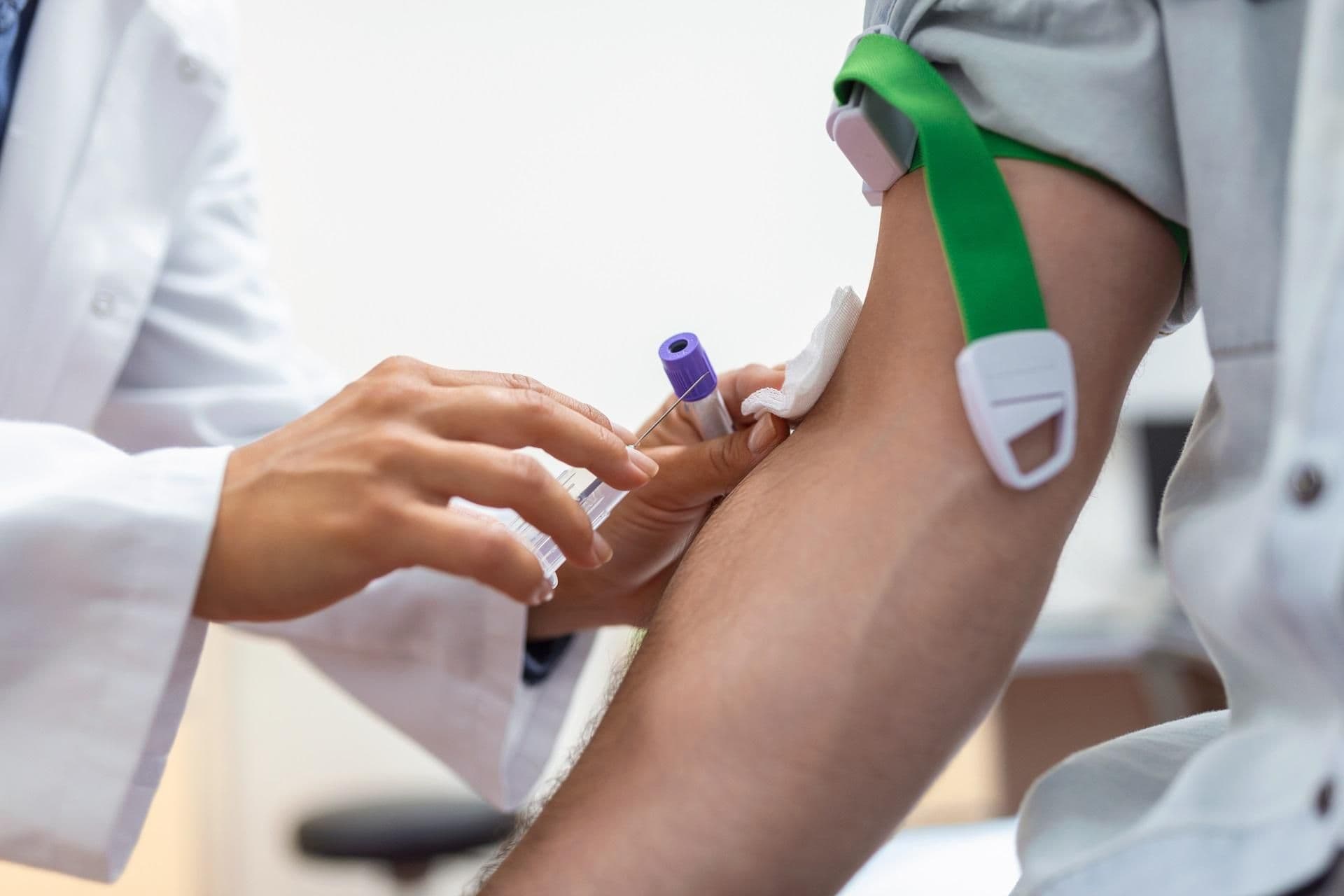
The CRP test procedure is very straightforward. A technician draws a small blood sample from a vein in your arm. The sample goes to a lab for analysis, and results are typically available quickly.
Preparation is minimal. You do not even need to fast before the test. There's no special diet or timing required. However, do inform your doctor about any medicines you're taking, as certain medications such as antidepressants and antipsychotics may influence your CRP levels. If two consecutive readings show elevated hs-CRP, your doctor may order follow-up tests to rule out other causes of inflammation, such as heart attacks or strokes.
Also Read - Why Do Doctors Recommend the CRP Test?
Making Sense of Your CRP Test Results
A CRP test is one piece of a larger puzzle. On its own, it confirms inflammation but not its source. Your doctor will combine it with your symptoms, physical examination, and other investigations to reach a diagnosis. What makes CRP especially helpful is its speed: levels rise quickly during illness and fall promptly as you recover.
If you'd like to stay on top of your health, consider booking a routine health check-up with Lupin Diagnostics. With NABL-accredited labs and convenient home collection, getting tested is simpler than you think.
Frequently Asked Questions
1. What is a C-Reactive Protein (CRP) test used for?
It helps doctors detect inflammation caused by infections, autoimmune diseases, or other conditions. It is also used to monitor how well the given treatment is working.
2. What is the normal range of the CRP test?
A CRP level below 0.3 mg/dL is considered normal in most healthy adults. Levels above this suggest some degree of inflammation.
3. What does a high CRP level mean?
It usually signals that your body is fighting an infection or dealing with significant inflammation. Your doctor will investigate further to find the cause.
4. Is fasting required for a CRP blood test?
Fasting is generally not needed. You can eat and drink normally before the test.
5. What diseases can cause high CRP levels?
Rheumatoid arthritis, lupus, heart disease, pancreatitis, bronchitis, inflammatory bowel disease, and acute bacterial or viral infections can all raise CRP levels.
6. What is the difference between CRP and hs-CRP tests?
Both measure the same protein. The hs-CRP test simply uses a more sensitive method that can detect smaller increases, making it useful for assessing the risk of heart disease.
7. Can CRP levels indicate heart disease risk?
Yes. Elevated hs-CRP is associated with a higher risk of heart attack and stroke, which is why doctors use it alongside cholesterol tests.
8. How long does it take to get CRP test results?
Most labs provide results within a day. Some point-of-care tests can deliver readings in under five minutes.
Disclaimer
This article is for informational purposes only and does not replace professional medical advice, diagnosis, or treatment. If you have health concerns or questions about your test results, please consult a qualified healthcare provider.
Featured Articles

Eating To Recover: The Best Foods For Getting Back On Your Feet After Cholera
Posted on: 22nd Jan 2026

What A Complete Blood Count (CBC) Tells You About Your Health
Posted on: 22nd Jan 2026

Constant Fatigue? Here’s What Your Blood Test Might Reveal
Posted on: 22nd Jan 2026