Book a Home Collection Now!
Can Stress Increase ESR? Inflammation Markers & What Your Blood Test Reveals
May 7, 2026 - By Lupin Diagnostics
You just got your blood test results back, and the erythrocyte sedimentation rate (ESR) is higher than expected. Could everyday stress be the reason? Can stress increase ESR? The short answer is yes, indirectly. This article explains what the ESR sedimentation rate test measures, how stress fuels inflammation, and when to seek medical advice.
What Is an ESR Blood Test?
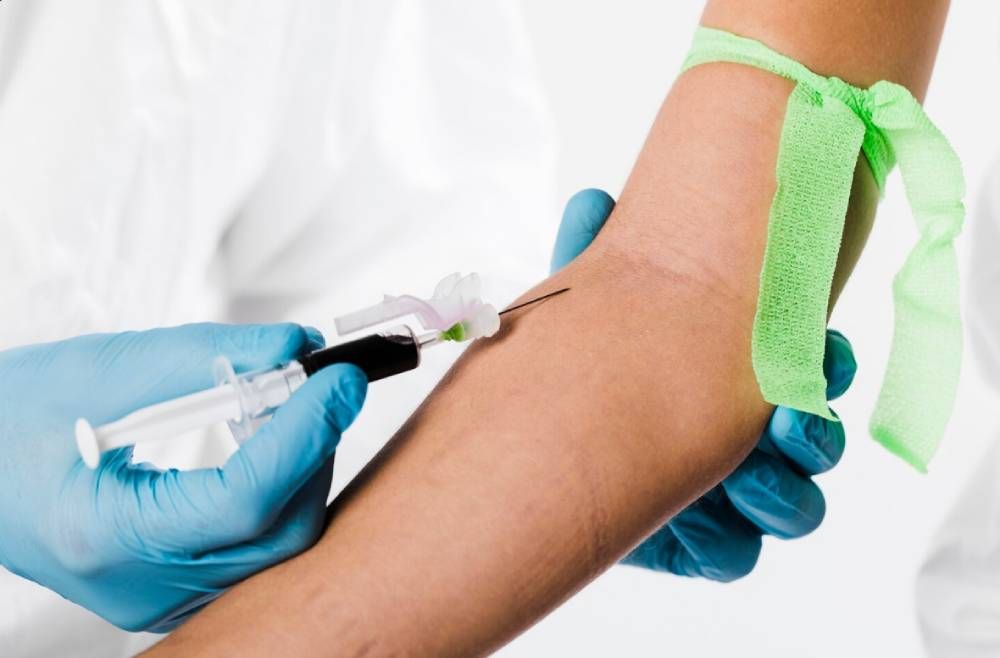
An ESR blood test measures how fast your red blood cells settle to the bottom of a test tube within one hour. Faster settling suggests inflammation somewhere in your body.
Doctors recommend the ESR test when they suspect infections, autoimmune conditions, or unexplained fever and joint pain. While it does not pinpoint a specific disease, it helps indicate that further investigation is needed.
The normal value of ESR depends on your age and gender. Here is a quick reference using the Westergren method:
| Group | Normal ESR Range |
|---|---|
| Men under 50 | Less than 15 mm/hr |
| Men over 50 | Less than 20 mm/hr |
| Women under 50 | Less than 20 mm/hr |
| Women over 50 | Less than 30 mm/hr |
Pregnancy, obesity, and even regular alcohol consumption can shift your results.
Always discuss your results with a qualified doctor for an accurate interpretation of your condition.
Can Stress Increase ESR Levels?
Yes, although the link is indirect. Stress does not increase ESR the way an infection does. Instead, chronic stress sets off a chain reaction that promotes inflammation over time.
Here is how it works. When you face ongoing stress, your body releases cortisol via the HPA axis. Normally, cortisol keeps inflammation in check. However, prolonged stress can cause glucocorticoid resistance, a condition in which your cells stop responding to cortisol's calming signal.
How Stress Affects Inflammation Markers
When you are under chronic pressure, including work deadlines, family worries, or financial strain, your body releases cortisol through the HPA axis. Normally, cortisol keeps inflammation in check. However, under long-term stress, your immune cells develop glucocorticoid resistance, i.e., they stop responding to cortisol's calming signal.
As a result, the levels of pro-inflammatory molecules such as IL-6 and TNF increase. This sustained, unresolved inflammation can increase your ESR over time.
What Are the Common Causes of High ESR?
A high ESR does not always point to stress. Several conditions can raise the sedimentation rate by increasing blood proteins that cause red blood cells to clump and settle faster.
Some common high ESR causes include:
- Infections such as tuberculosis, urinary tract infections, or pneumonia
- Autoimmune diseases such as rheumatoid arthritis or lupus
- Chronic inflammation from conditions such as inflammatory bowel disease
- Stress-related factors that promote sustained, low-grade inflammation
- Cancers, including multiple myeloma or lymphoma
Fatigue, unexplained fever, and joint pain often accompany elevated ESR. These symptoms overlap across many conditions, which is why a single erythrocyte sedimentation rate blood test result is never enough for a diagnosis. Additional tests are almost always needed.
How Does ESR Compare to Other Inflammation Markers?
In many cases, your doctor may order a C-reactive protein (CRP) test alongside an ESR test. Both parameters help detect inflammation; however, they behave differently. Let's break it down:
| Feature | ESR | CRP (C-Reactive Protein) |
|---|---|---|
| What it measures | Red blood cell settling rate | A specific inflammatory protein produced by the liver |
| Speed of response | Changes slowly over days | Rises and falls within hours |
| Best suited for | Monitoring chronic conditions | Detecting acute inflammation |
| Sensitivity | Less specific | More sensitive and specific |
ESR reflects long-term inflammation because fibrinogen has a longer half-life. CRP responds faster to treatment changes. Your doctor may order both together to get a clear picture of what's going on in your body.
How Can You Manage ESR Levels Naturally?
While treating the root cause is most important, healthy habits can help keep inflammation in check. Consider these everyday steps:
- Manage stress through yoga, pranayama, or meditation
- Eat anti-inflammatory foods such as fruits, vegetables, whole grains, nuts, and dal
- Stay physically active with regular walks or exercise
- Sleep well to allow your body to recover and regulate immunity
- Avoid smoking as it worsens inflammatory markers
These habits support overall wellness but are not substitutes for medical treatment. Please consult your doctor before making significant changes to your lifestyle.
When Should You Worry?
Most cases of mildly elevated ESR values resolve once the underlying cause is addressed. However, readings exceeding 100 mm/hr are typically linked to serious conditions such as malignancy, severe infection, or temporal arteritis. If your ESR is persistently high or rising, do not delay consulting your doctor.
Final Thoughts: Understanding Stress and ESR
Stress may not spike your ESR overnight; however, months of unmanaged stress can quietly fuel inflammation. A single ESR reading is just one piece of the puzzle. Pair it with your symptoms, history, and other markers for a meaningful picture.
If you would like to get your erythrocyte sedimentation rate or inflammatory markers checked, Lupin Diagnostics offers reliable testing at NABL-accredited labs and home collection services across India.
Frequently Asked Questions
1. Can emotional stress cause a high ESR?
Chronic emotional stress promotes sustained inflammation through glucocorticoid resistance. This can indirectly increase your ESR readings over time, although stress alone is unlikely to cause dramatic spikes.
2. Is high ESR always serious?
An abnormal ESR does not always indicate a serious condition. Normal ranges vary by age and gender, and mild elevations can occur due to lifestyle factors. Your doctor will recommend further tests based on your overall condition.
3. How much can stress raise ESR?
There is no established figure for how much stress, in mm/hr, adds to ESR. The elevation depends on how long and intense the stress-induced inflammation has been.
4. Does anxiety affect ESR blood test results?
Chronic anxiety can alter cortisol patterns and promote low-grade inflammation. This may indirectly influence ESR results, although occasional anxiety is unlikely to cause significant changes.
5. What is a normal ESR level for a stressed person?
The normal ESR range remains the same regardless of stress, i.e., under 15 mm/hr for men under 50 and under 20 mm/hr for women under 50.
6. Can reducing stress lower my ESR?
Evidence suggests that practices such as yoga can improve cortisol and inflammatory cytokine levels. Managing stress effectively may help bring ESR closer to normal when inflammation is stress-related.
Disclaimer
This article is for informational and educational purposes only. It does not replace professional medical advice, diagnosis, or treatment. If you have concerns about your ESR levels or overall health, please consult a qualified healthcare provider.
Featured Articles

Sleep Deprivation Effects How Poor Sleep Impacts Your Heart And Kidney Health
Posted on: 22nd Jan 2026

What A Complete Blood Count (CBC) Tells You About Your Health
Posted on: 22nd Jan 2026

Screen Time Fatigue And Vitamin D Deficiency The Hidden Connection You Shouldn T Ignore
Posted on: 22nd Jan 2026