Book a Home Collection Now!
Apolipoprotein Test (APO): Purpose, Normal Range & Results
June 3, 2026 - By Lupin Diagnostics
Your regular lipid profile may look perfectly normal, yet hidden heart risks could still exist. In about 20% of patients, standard cholesterol numbers and actual risk markers don't match up. That's where the apolipoprotein test normal range becomes a valuable piece of the puzzle. This article covers what the test measures, why it matters, and how to read your results.
What Is an Apolipoprotein Test?
An apolipoprotein test measures specific proteins attached to cholesterol particles in your blood. Think of cholesterol as passengers and apolipoproteins as the vehicles carrying them. The two key players here are apo A1 and apo B.
Here's what each one does:
- Apo A1 is a protein that sits on HDL particles, often called "good cholesterol". It helps carry excess cholesterol away from your arteries.
- Apo B rides on LDL particles, the "bad cholesterol" carriers.
The balance between these two proteins tells your doctor a lot about the risk of plaque buildup in your arteries.
Why Do Doctors Order It? The Apolipoprotein Test Purpose
Doctors may order it under these circumstances:
- Early heart disease risk assessment: Both apo B and the apo B/apo A1 ratio predict coronary heart disease mortality better than traditional cholesterol markers.
- Discordant lipid panels: When your triglycerides are high, or you have type 2 diabetes, standard LDL cholesterol numbers can be misleading.
- Family history: A strong family history of early heart attacks warrants a deeper look at particle-level risk.
- Monitoring treatment: Doctors tracking the response to cholesterol-lowering medicines may use apo B as a direct measurement.
Your doctor is the best person to decide whether this test is right for you.
What Is the Apolipoprotein Test Normal Range?
Here are the commonly accepted reference values for adults:
| Parameter | Normal Range (Men) | Normal Range (Women) |
|---|---|---|
| Apo A1 | ≥120 mg/dL | ≥140 mg/dL |
| Apo B | <90 mg/dL | <90 mg/dL |
| Apo B/Apo A1 ratio | Lower Risk: <0.7 Average Risk: 0.7-0.9 Higher Risk: >0.9 | Lower Risk: <0.6 Average Risk: 0.6-0.8 Higher Risk: >0.8 |
Exact reference ranges can vary slightly between laboratories. Always interpret results with your doctor's guidance.
How to Read Your Apolipoprotein Test Results
Getting your apolipoprotein test results back can feel confusing at first. Here's what the key patterns mean:
- High Apo B: This suggests a larger number of harmful LDL particles circulating in your blood. These small, dense particles can promote inflammation and plaque growth in arteries.
- Low Apo A1: Reduced levels mean your body has fewer "clean-up" particles removing cholesterol from artery walls. This lowers your natural cardiac protection.
- High Apo B/Apo A1 ratio: An elevated ratio points to increased risk of atherosclerotic cardiovascular disease, even when standard LDL and HDL numbers look acceptable.
A cardiologist or physician can place these numbers in the context of your overall health profile.
What to Expect During the Apolipoprotein Test Procedure
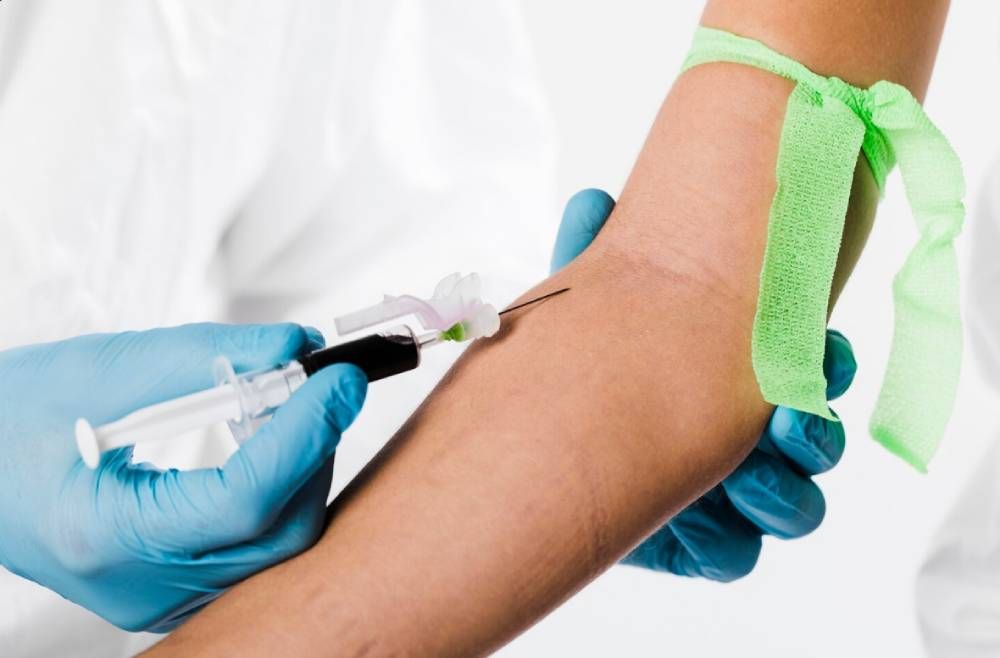
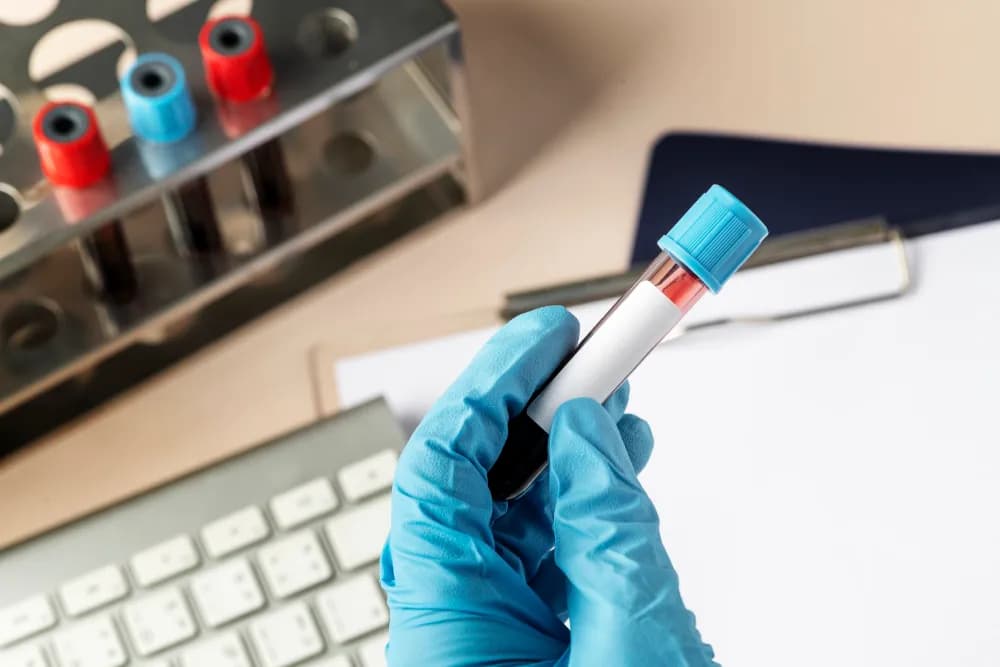
The apolipoprotein test procedure is a simple blood draw. A technician collects a small sample from a vein in your arm. The entire process takes just a few minutes.
Here is what makes this test convenient:
- Fasting is usually not required. Apolipoprotein levels remain stable regardless of your last meal.
- Accurate even with high triglycerides. Unlike LDL cholesterol, Apo B is measured directly rather than calculated.
- If your doctor combines this with a full lipid panel, a 9–12 hour fast may still be advised. Confirm with your doctor or laboratory.
Apolipoprotein Test vs. Standard Lipid Panel
The table below shows the main differences between a standard lipid panel and an apolipoprotein test:
| Feature | Standard Lipid Panel | Apolipoprotein Test |
|---|---|---|
| What it measures | Cholesterol's weight in blood | Actual particle count |
| LDL measurement | Calculated (Friedewald formula) | Apo B measured directly |
| Fasting needed | Usually yes | Usually not required |
| Accurate with high triglycerides | Can be unreliable | Remains accurate |
| Heart risk prediction | Good | Better for certain patients |
The apolipoprotein test does not replace your lipid panel. It adds a sharper layer of insight, especially when standard results seem unclear.
Taking Charge of Your Heart Health
The apolipoprotein test fills gaps that a routine lipid profile might miss. By measuring the actual proteins driving cholesterol transport, it offers a sharper picture of your cardiovascular risk. Whether you have a family history of heart disease or your doctor sees conflicting lipid panel numbers, checking your apolipoprotein test normal range values is a meaningful step forward.
If you'd like to get your apolipoprotein levels checked, Lupin Diagnostics offers a wide range of cardiac risk tests at NABL-accredited labs across India. Book a test online or visit your nearest centre.
Frequently Asked Questions
Does an apolipoprotein test require fasting?
Generally, fasting is not needed. Apolipoprotein A1 and apo B concentrations are not significantly affected by whether you have eaten. However, if your doctor orders additional lipid tests alongside, fasting for 9–12 hours may be needed for those.
What causes low apolipoprotein A1 levels?
Low apo A1 is linked to reduced protection against artery damage. People with significant atherosclerosis typically have lower apo A1 levels. Genetics, smoking, and a sedentary lifestyle can also contribute.
Can medication affect my apolipoprotein test results?
Yes. Statins are particularly effective at lowering apo B, reducing levels by 19% to 42% in major trials. Always inform your doctor about current medications before testing.
Is a high Apo B/A1 ratio dangerous?
An elevated ratio is linked to higher atherosclerotic cardiovascular disease risk, independent of standard cholesterol numbers. It signals an imbalance between harmful and protective cholesterol particles.
How long does it take to get the results back?
The test results are usually available within 1-2 days after the sample is collected. Lupin Diagnostics delivers your report directly to your email or WhatsApp.
This article is for informational purposes only and does not substitute professional medical advice, diagnosis, or treatment. Please consult a qualified healthcare provider for any medical concerns or before making changes to your health routine.
Featured Articles

Dehydrated How To Make A Lifesaving Diy Rehydration Drink For Cholera Recovery
Posted on: 22nd Jan 2026
Diabetes Screening For Diagnosis And Prevention
Posted on: 25th Oct 2023

Eating To Recover: The Best Foods For Getting Back On Your Feet After Cholera
Posted on: 22nd Jan 2026