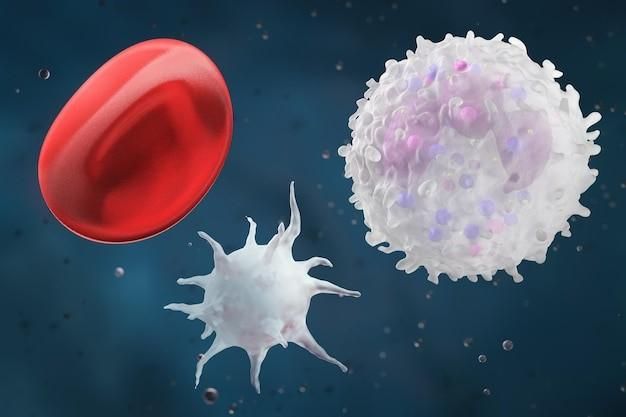
Total Leucocyte Count (TLC) Test
About Total Leucocyte Count (TLC) Test
| Field | Value |
|---|---|
| Also Known As | White Blood Cell Count Test, WBC Count Test |
| Sample Type | Whole Blood |
| Fasting Required | No |
| Report Time | 1 day |
| Recommended For | All ages and genders |
| Price | Starting at ₹160 |
What is a Total Leucocyte Count (TLC) Test?
A total leucocyte count (TLC) test measures the total number of white blood cells (WBCs) in your blood. White blood cells, also called leucocytes, are made in the bone marrow and play a central role in your body's immune defence. Doctors order this test to check for infections, inflammation, immune disorders, and certain blood conditions. It is also known as the white blood cell count test, or WBC count test.
What Does a Total Leucocyte Count (TLC) Test Measure?
This test measures a single, important value. Here is what it tells you:
| Parameter | What It Reflects |
|---|---|
| Total Leucocyte Count | The total number of white blood cells in your blood, indicating how well your immune system is functioning |
Why is a Total Leucocyte Count (TLC) Test Done?
A doctor may order a total leucocyte count (TLC) test for several reasons, from routine health checks to investigating specific symptoms.
Common Symptoms That May Require This Test
Several everyday symptoms can prompt a doctor to request this test. These include:
- Persistent or high fever
- Unexplained fatigue or weakness
- Frequent or recurring infections
- Body aches and chills
- Wounds that heal slowly or show signs of infection
- Persistent cough or difficulty breathing
- Unexplained weight loss
Conditions This Test Can Help Detect
The total leucocyte count (TLC) test can assist in identifying a range of conditions, including the following:
- Bacterial, viral, fungal, or parasitic infections
- Inflammatory conditions affecting the body
- Immune system disorders such as lupus or rheumatoid arthritis
- Bone marrow disorders, including leukaemia
- Autoimmune conditions and thyroid diseases
- Hypersplenism (an overactive spleen)
- Aplastic anaemia (bone marrow failure)
Total Leucocyte Count (TLC) Test for Chronic Disease Monitoring
The TLC test is a useful tool for monitoring people undergoing treatment for certain long-term conditions. Chemotherapy and other treatments that affect the immune system can significantly alter white blood cell counts, so regular monitoring helps doctors adjust dosages and prevent serious complications. People living with autoimmune conditions such as lupus or rheumatoid arthritis may also need periodic TLC testing to track their health over time.
How to Prepare and What to Expect
The TLC test procedure is simple and requires very little preparation. Here is what you need to know before your appointment.
Do You Need to Fast?
No fasting is required for this test. You can eat and drink as normal before your sample is collected. If your doctor has ordered additional tests alongside the TLC test, some of those tests may require fasting, so confirm with your healthcare provider.
Practical Tips Before Your Test
A little preparation helps ensure the process goes smoothly. Keep the following in mind:
- Drink plenty of water before the test to make blood drawing easier
- Wear clothing with loose sleeves that can be rolled up easily
- Inform your doctor about any medications you are taking, especially steroids, chemotherapy medicines, or immunosuppressants
- Try to avoid strenuous exercise immediately before the test, as physical stress can temporarily affect your count
- Rest briefly and stay calm before the test, since acute stress can temporarily raise your count
Step-by-Step Procedure
- A trained phlebotomist ties a soft elastic band around your upper arm to make your veins easier to locate.
- The skin over the vein is cleaned with an antiseptic solution.
- A fine needle is gently inserted into the vein, and approximately 2 ml of blood is drawn into a collection tube.
- Once the sample is collected, the needle is removed and a cotton swab is pressed lightly over the site until the bleeding stops.
- A small bandage is applied, which you can remove after an hour.
- Your blood sample is labelled and sent to the laboratory for analysis using an impedance-based method.
Factors That Can Affect Accuracy
Certain factors can cause your white blood cell count to appear higher or lower than it actually is:
- Medications such as corticosteroids and immunosuppressants
- Smoking, which can raise white blood cell levels
- Recent infections or illness
- Acute emotional or physical stress can temporarily raise white blood cell counts
- The time of day, as TLC levels can fluctuate naturally
- Pregnancy, which is associated with a physiologically elevated count
Understanding Your Total Leucocyte Count (TLC) Test Results
Your results show the total number of white blood cells per microlitre of blood. The table below outlines general reference ranges across different age groups:
| Group | Normal Range | Unit |
|---|---|---|
| Adults (Male) | 5,000 - 10,000 | cells/µL |
| Adults (Female) | 4,500 to 11,000 | cells/µL |
| Children | 5,000 - 10,000 | cells/µL |
| Newborns | 9,000 - 30,000 | cells/µL |
These ranges are general guidelines. Your doctor will interpret your results based on your age, health history, and other factors. Always consult a qualified healthcare professional for personalised medical advice.
Results During Special Conditions
Certain physiological or health states can affect how results are interpreted:
- WBC counts naturally rise during pregnancy, particularly in the third trimester, and peak in the early period after delivery. A higher count in pregnancy does not always signal a problem.
- Older adults may not show an elevated count even during active infections, as their immune response can differ from that of younger individuals.
- People who have had their spleen removed (splenectomy) often have a persistently mild elevation in WBC counts, which is expected.
- WBC levels tend to be lower in the morning and higher in the evening due to natural daily fluctuation.
How to Maintain Healthy Levels
Supporting your immune system through everyday habits can help keep your white blood cell count in a normal range:
- Eat a varied diet that includes foods rich in vitamin C, vitamin B12, zinc, and antioxidants.
- Aim for adequate, consistent sleep and practise stress management techniques such as deep breathing or light exercise.
- Avoid smoking, as it is associated with chronically elevated white blood cell counts.
Lupin Diagnostics Total Leucocyte Count (TLC) Test Price and Home Collection
The TLC test cost starts at ₹160 and is available at Lupin Diagnostics, with home collection offered across multiple cities. The table below lists cities where the test is available.
| City | Approximate Price (₹) |
|---|---|
| BHOPAL | 110 |
| CHENNAI | 150 |
| HYDERABAD | 160 |
| KOLKATA | 160 |
| NAVI MUMBAI | 160 |
| PUNE | 160 |
Prices are indicative and may vary by location. Please confirm the current price at the time of booking.
How to Book
- Select the test on the Lupin Diagnostics website.
- Choose your city and preferred time slot.
- Opt for home sample collection by a certified phlebotomist, or visit your nearest Lupin Diagnostics centre.
- Receive your report via email or WhatsApp within the stipulated turnaround time.
Home Collection
TLC test home collection is available across major cities through Lupin Diagnostics. A trained phlebotomist visits your home or office at your chosen time to collect the blood sample. All samples are processed in NABL-accredited laboratories, and your digital report is shared directly with you once ready.
Frequently Asked Questions
The total leucocyte count (TLC) test measures the number of white blood cells in your blood. Doctors use it to detect infections, inflammation, bone marrow disorders, and immune system conditions. It is also used to monitor patients undergoing treatments such as chemotherapy.
A high count, called leucocytosis, is often your body's normal response to an infection or inflammation. It can also be linked to physical stress, certain medications, autoimmune conditions, or, in some cases, blood disorders. Your doctor will assess the result in the context of your symptoms and overall health.
A low count, called leucopenia, means your body has fewer white blood cells than normal, which can make you more prone to infections. Possible causes include viral infections, bone marrow disorders, chemotherapy, or autoimmune conditions such as lupus.
Most people feel only a brief prick when the needle is inserted. Some mild soreness or slight bruising at the collection site is normal and usually fades within a day or two.
Yes. Corticosteroids, chemotherapy medicines, and certain immunosuppressants are known to affect white blood cell counts. Always inform your doctor about any medicines you are currently taking before the test, so your results can be interpreted accurately.
Yes, acute physical or emotional stress can temporarily raise your white blood cell count. Resting for a few minutes before the sample is taken and staying as calm as possible helps produce a more accurate result.
No, fasting is not required. You can eat and drink as usual before the test. If your doctor has ordered other tests at the same time, check whether those require fasting separately.
Total Leucocyte Count (TLC) Test