Total Iron-Binding Capacity (TIBC) Test
About Total Iron-Binding Capacity (TIBC) Test
| Field | Value |
|---|---|
| Also Known As | TIBC test, Serum Iron-Binding Capacity, Iron-Binding Capacity test, Transferrin Iron-Binding Capacity |
| Sample Type | Venous blood (serum) |
| Fasting Required | Yes, 8 to 12 hours before the test |
| Report Time | Same day or within 24 hours |
| Recommended For | All genders and ages; particularly relevant for menstruating women and individuals with suspected iron disorders |
| Price | Starting at ₹330 |
What Is a Total Iron Binding Capacity (TIBC) Test?
The Total Iron-Binding Capacity (TIBC) test is a blood test that measures how well your blood can bind iron and transport it throughout the body. Doctors order it when they suspect a problem with iron levels, such as too little or too much iron.
It is also called the Serum Iron-Binding Capacity test or simply the Iron-Binding Capacity test. A small blood sample drawn from a vein in your arm is all that is needed.
What Does a Total Iron-Binding Capacity (TIBC) Test Measure?
The TIBC blood test looks at three related aspects of how your body handles iron. Here is a brief overview of each:
| Component | What It Tells You |
|---|---|
| Total Iron-Binding Capacity (TIBC) | How much iron your blood can carry in total |
| Transferrin Binding Capacity | How well transferrin (the main protein that transports iron) attaches to iron |
| Unsaturated Iron-Binding Capacity (UIBC) | How much spare capacity is left on transferrin to carry more iron |
Doctors also calculate transferrin saturation (the percentage of transferrin currently carrying iron) by dividing serum iron by TIBC, then multiplying by 100.
Why Is a Total Iron Binding Capacity (TIBC) Test Done?
A doctor may request a TIBC test for several reasons, ranging from investigating symptoms to monitoring known conditions.
Common Symptoms That May Require This Test
The following symptoms may lead a doctor to recommend a TIBC blood test:
- Persistent fatigue or low energy
- Pale skin
- Hair loss
- Irregular heart rhythm
- Unexplained weight loss
- Joint pain
- Delayed mental development in children
Conditions This Test Can Help Detect
The Iron-Binding Capacity test can assist in identifying several conditions, including:
- Iron-deficiency anaemia (too little iron in the body)
- Haemochromatosis (a genetic condition causing excess iron to build up)
- Anaemia of chronic disease (seen in conditions such as autoimmune disorders, chronic kidney disease, and inflammatory bowel disease)
- Sideroblastic anaemia (where the body has iron but cannot use it to make haemoglobin)
- Thalassaemia (inherited blood disorders affecting haemoglobin production)
- Liver diseases such as cirrhosis and hepatitis
Total Iron-Binding Capacity (TIBC) Test for Chronic Disease Monitoring
Doctors may use the TIBC test to track iron status in patients with long-term conditions such as heart failure, chronic kidney disease, inflammatory bowel disease, and cancer. Iron deficiency is common in these conditions and can affect treatment outcomes. The test may be repeated over time to assess how well a patient is responding to iron therapy or to monitor disease progression.
How to Prepare and What to Expect
Knowing what to expect before your appointment makes the process straightforward.
Do You Need to Fast?
Yes, fasting for 8 to 12 hours before your TIBC test is required. Drink water freely during this period, but avoid food and other beverages. If you are having additional tests at the same time, they may also require fasting, so follow your doctor's specific guidance.
Practical Tips Before Your Test
A few simple steps before your test help ensure accurate results:
- Tell your doctor about all medications you are taking, including birth control pills, antibiotics, aspirin, oestrogen, testosterone, and chemotherapy medicines
- Avoid iron supplements for at least 12 hours before the test
- Schedule your appointment for the morning, when iron levels are most stable
- Stay well hydrated with water
Step-by-Step Procedure
The blood collection process is quick and usually takes no more than five minutes:
- A trained phlebotomist ties an elastic band around your upper arm to make the veins more visible.
- The skin over the chosen vein is cleaned with an alcohol swab.
- A small needle is gently inserted into the vein to draw a blood sample.
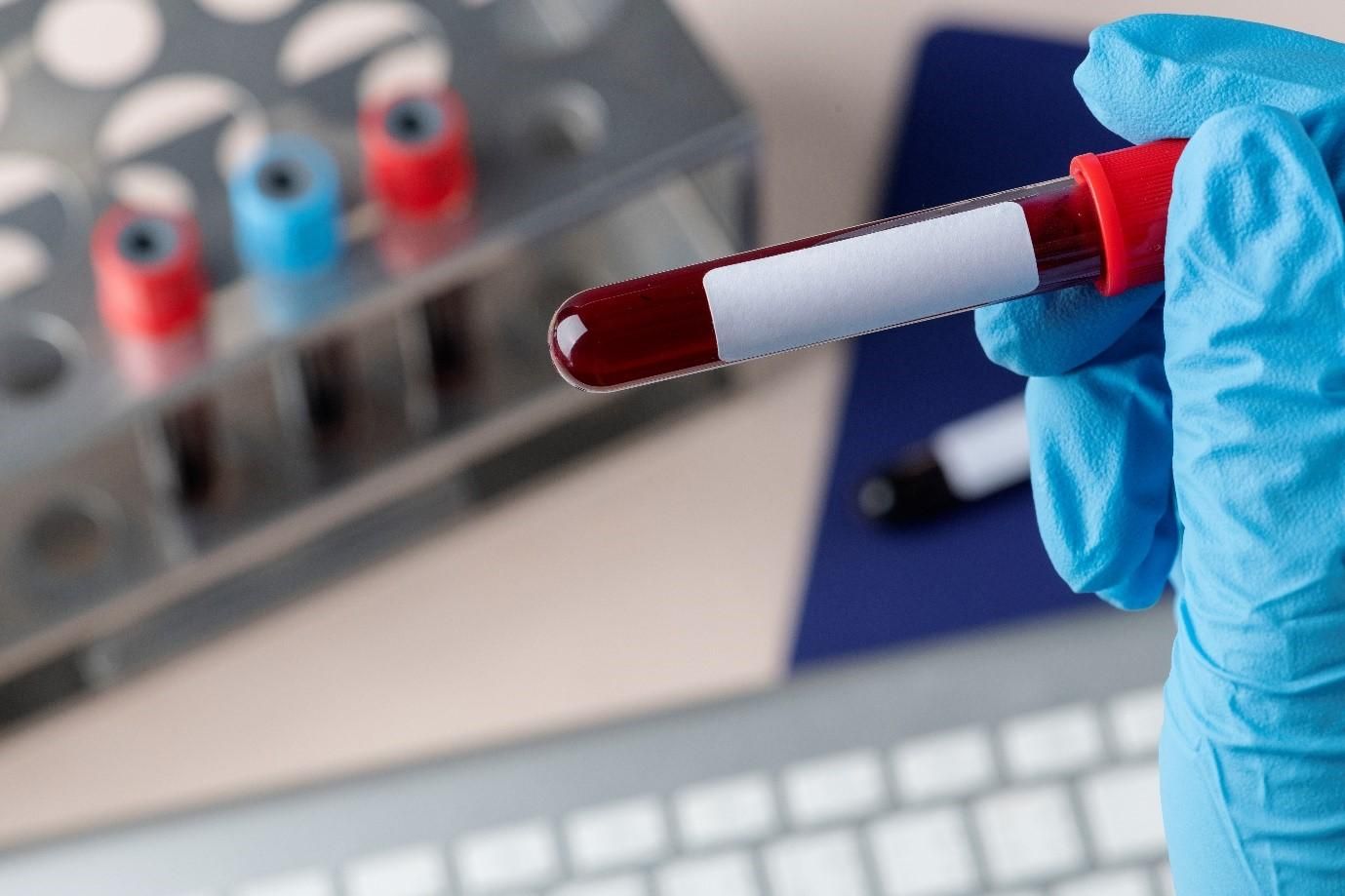
- The sample is collected into a labelled tube.
- The elastic band is removed and light pressure is applied to stop any bleeding.
- A small bandage is placed over the puncture site, and the sample is sent to the laboratory.
Factors That Can Affect Accuracy
Certain factors may influence your results. Be sure to mention any of these to your doctor:
- Recent blood transfusions
- Use of oral contraceptives or chloramphenicol
- Haemolysis (breakdown of red blood cells in the sample before testing)
- Testing later in the day, as iron levels tend to be lower in the afternoon
- Active menstruation, which may temporarily lower iron levels
Understanding Your Total Iron-Binding Capacity (TIBC) Test Results
Your results are most meaningful when reviewed alongside other iron tests such as serum iron and ferritin. The table below shows general reference ranges from published guidelines.
| Parameter | Normal Range | Unit |
|---|---|---|
| TIBC (Males) | 171 to 505 | mcg/dL |
| TIBC (Females) | 149 to 492 | mcg/dL |
| TIBC (General adults) | 250 to 450 | mcg/dL |
| Transferrin Saturation (Males) | 20 to 50 | % |
| Transferrin Saturation (Females) | 15 to 50 | % |
These ranges are general guidelines. Your doctor will interpret your results based on your age, health history, and other factors. Always consult a qualified healthcare professional for personalised medical advice.
Results During Special Conditions
Some circumstances can shift your TIBC values without indicating a new problem:
- Pregnancy: TIBC rises naturally in the second and third trimesters due to increased iron demand, higher oestrogen levels, and greater protein production by the liver.
- Acute illness or inflammation: Active infections, inflammatory conditions, and chronic disease tend to suppress TIBC, which can affect how results are interpreted.
- Menstruation: Women during their menstrual period may have temporarily lower serum iron levels, which can affect the overall picture.
- Medications: Oral contraceptives and certain antibiotics, such as chloramphenicol, can alter results.
How to Maintain Healthy Iron Levels
These general lifestyle tips support a healthy iron balance:
- Include iron-rich foods in your diet, such as leafy green vegetables, lean red meat, legumes, and fortified cereals.
- Pair iron-rich meals with a source of vitamin C (such as lemon juice or tomatoes) to help your body absorb iron more effectively.
- Limit tea and coffee with meals, as the tannins in these drinks can reduce iron absorption.
Lupin Diagnostics Total Iron-Binding Capacity (TIBC) Test Price and Home Collection
The TIBC test is available at Lupin Diagnostics starting at ₹330, with home sample collection offered across major Indian cities.
| City | Approximate Price (₹) |
|---|---|
| Mumbai | ₹400 |
| Bangalore | ₹330 |
| Chennai | ₹430 |
| Hyderabad | ₹400 |
| Kolkata | ₹350 |
| Pune | ₹400 |
| Indore | ₹330 |
| Bhopal | ₹330 |
Prices are indicative and may vary by location. Please confirm the current price at the time of booking.
How to Book
- Select the test on the Lupin Diagnostics website
- Choose your city and preferred time slot
- Opt for home sample collection by a certified phlebotomist, or visit your nearest Lupin Diagnostics centre
- Receive your report via email or WhatsApp within the stipulated turnaround time
Home Collection
Lupin Diagnostics offers home sample collection for the TIBC test across cities, so you can get tested without leaving home. All samples are processed in NABL-accredited laboratories by experienced professionals. Once ready, your digital report is delivered directly to you via email or WhatsApp.
Frequently Asked Questions
The TIBC test measures how well your blood can transport iron around the body. Doctors use it alongside other iron tests to help diagnose conditions such as iron-deficiency anaemia, haemochromatosis, and anaemia of chronic disease.
Yes, fasting for 8 to 12 hours before your total iron-binding capacity test is required. You may drink water during this period, but avoid food and other beverages to ensure accurate results.
A high TIBC result generally suggests that the body's iron stores are low and transferrin has extra capacity to carry more iron. Common causes include iron-deficiency anaemia, pregnancy, and the use of oral contraceptives. Your doctor will review this alongside your serum iron and ferritin levels.
A low TIBC test result, combined with high serum iron, may point to iron overload conditions such as haemochromatosis. Low TIBC alongside low serum iron is often associated with chronic inflammation, liver disease, or malnutrition. A doctor's interpretation is essential.
The serum iron-binding capacity test measures how much iron transferrin can carry in your blood, reflecting transport capacity. A ferritin test, on the other hand, measures how much iron is stored inside your cells. Both tests together give a fuller picture of your body's iron status.
Yes, several common medications can influence your TIBC blood test results, including birth control pills, oestrogen, testosterone, aspirin, antibiotics, and chemotherapy medicines. Always give your doctor a full list of what you are taking before the test.
Yes, if you are searching for a 'TIBC test near me,' Lupin Diagnostics offers home collection across multiple cities in India. A certified phlebotomist visits your home at your chosen time, and results are shared digitally once ready.
Total Iron-Binding Capacity (TIBC) Test