Prostate-Specific Antigen (PSA) Test: Booking, Price and Results
About Prostate-Specific Antigen (PSA) Test
| Field | Value |
|---|---|
| Also Known As | PSA Test, Total PSA, PSA Screening |
| Sample Type | Venous blood (serum) |
| Fasting Required | No fasting required |
| Report Time | Within 24 hours |
| Recommended For | Males aged 50 and above, males aged 40 and above with a family history or high-risk factors |
| Price | Starting at ₹850 |
What Is a Prostate-Specific Antigen (PSA) Test?
The Prostate-Specific Antigen (PSA) Test is a blood test that measures PSA, a protein produced by the prostate gland, in the bloodstream. Doctors prescribe it to screen for prostate-related conditions and to monitor prostate health over time. Also referred to as the Prostate-Specific Antigen (PSA) Blood Test or Total PSA Test, it requires a small amount of blood to be collected from a vein in the arm.
What Does a Prostate-Specific Antigen (PSA) Test Measure?
The PSA test detects the concentration of prostate-specific antigen circulating in the blood. Both healthy and abnormal prostate cells produce this protein, and its level can rise for several reasons. The test typically measures the following:
| Parameter | What It Indicates |
|---|---|
| Total PSA | The combined amount of all PSA in the blood, including both free and protein-bound forms |
| Free PSA (when measured) | The portion of PSA that is not attached to other proteins; a lower free-to-total PSA ratio can suggest a higher risk of prostate cancer |
Why Is a Prostate-Specific Antigen (PSA) Test Done?
A doctor may request a PSA screening for a variety of clinical reasons, from investigating urinary symptoms to routine age-based monitoring.
Common Symptoms That May Require This Test
- Difficulty starting or maintaining urination
- Frequent urination, particularly during the night
- A noticeably weak or interrupted urine stream
- Pain or a burning sensation while urinating
- Blood visible in urine or semen
- Persistent pain in the pelvis or lower back
Conditions This Test Can Help Detect
This test can help a doctor investigate or identify several prostate-related conditions, including:
- Prostate cancer (early detection and monitoring)
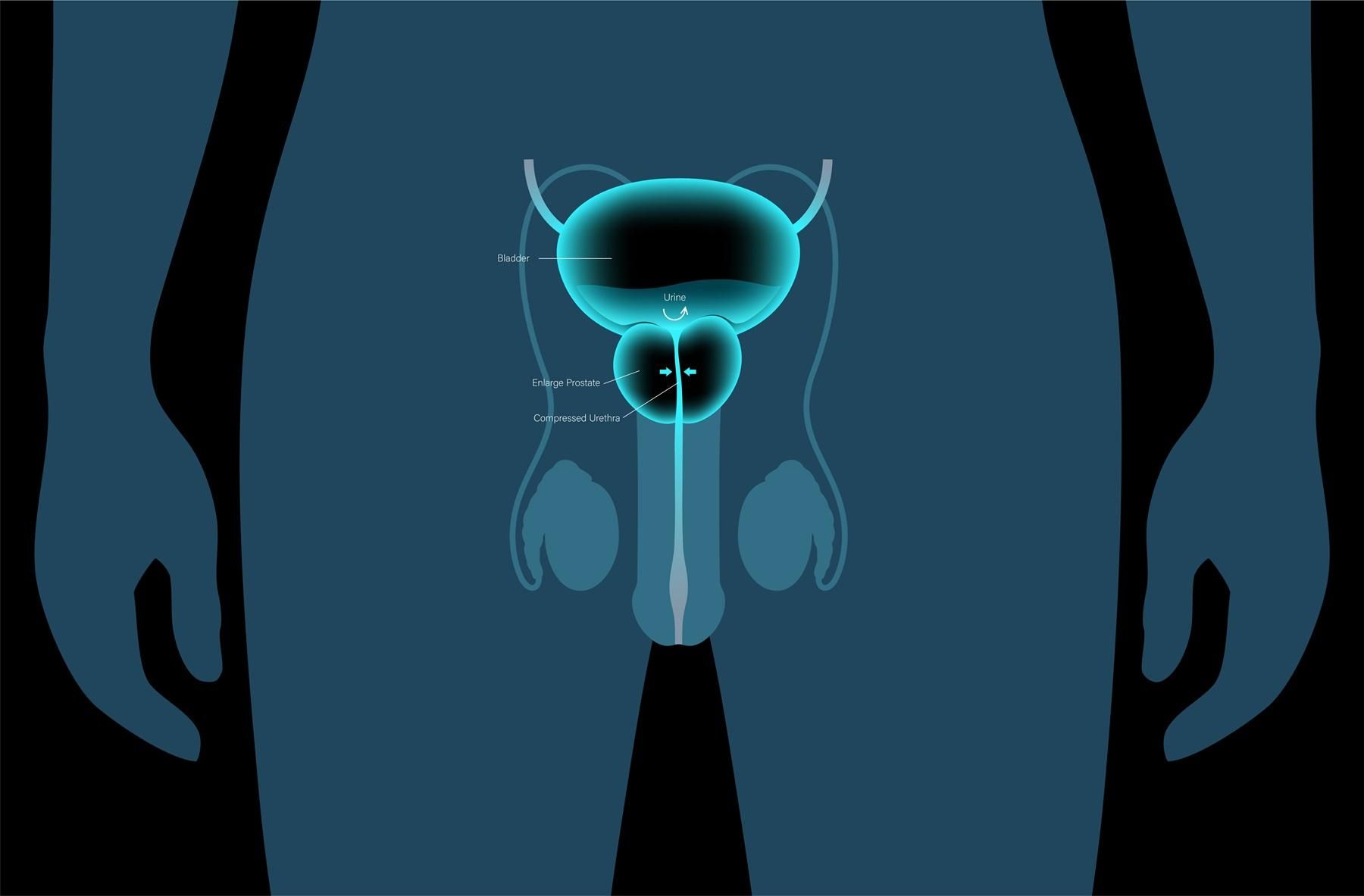
- Benign prostatic hyperplasia (BPH): A non-cancerous enlargement of the prostate
- Prostatitis, which is inflammation or infection of the prostate gland
- Urinary tract infections affecting prostate health
Prostate Specific Antigen (PSA) Test for Chronic Disease Monitoring
The PSA test plays an important role in monitoring men who have already been treated for prostate cancer. A rising PSA level after surgery or radiation therapy can be an early sign that the cancer has returned, often before any other symptoms appear. Standard post-treatment surveillance typically involves a PSA check every 6 to 12 months during the first five years, followed by annual testing thereafter.
How to Prepare and What to Expect
Preparing for a PSA test is straightforward, but a few simple steps will help ensure an accurate result.
Do You Need to Fast?
No fasting is required for this test. You may eat and drink as normal on the day of the test. However, there are other restrictions to keep in mind, which are outlined below.
Practical Tips Before Your Test
- Avoid sexual activity and ejaculation for at least 24 to 48 hours before your test, as this can temporarily raise PSA levels.
- Avoid strenuous exercise, particularly cycling, for 48 hours beforehand.
- Inform your doctor about all medications you are taking, especially drugs used for an enlarged prostate, since these can lower PSA readings.
- Do not book this test shortly after a urinary tract infection or any procedure involving the urinary system, as both can affect results.
- Wear a loose-fitting top with easy access to the inner arm for the blood draw
Step-by-Step Procedure
- A trained phlebotomist will ask you to sit comfortably and expose your inner arm.
- A band is tied around the upper arm to make the vein more visible.
- The puncture site is cleaned with a disinfectant.
- A fine needle is gently inserted into the vein, and a small amount of blood is drawn into a collection tube.
- You may feel a brief prick or mild pressure. Some people notice minor throbbing or a small bruise at the site, which fades quickly.
- The sample is sealed, labelled, and sent to the laboratory for analysis.
Factors That Can Affect Accuracy
- Recent ejaculation or strenuous exercise, especially cycling
- Active urinary tract infection or recent prostate procedure
- Use of 5-alpha-reductase inhibitors, aspirin, statins, or diuretics
- Digital rectal examination performed shortly before the blood draw
- Dehydration or recent prostate biopsy
Understanding Your Prostate Specific Antigen (PSA) Test Results
Results from a PSA test are expressed in nanograms per millilitre (ng/mL). PSA results should always be reviewed alongside your overall health history. Age-specific reference ranges are used because PSA levels naturally rise with age. The table below provides general guidance.
| Age Group | Typical Reference Range |
|---|---|
| 40 to 50 years | 0 to 2.5 ng/mL |
| 50 to 60 years | 0 to 3.5 ng/mL |
| 60 to 70 years | 0 to 4.5 ng/mL |
| 70 to 80 years | 0 to 6.5 ng/mL |
| Grey zone (borderline, any age) | 4.0 to 10.0 ng/mL |
These ranges are general guidelines. Your doctor will interpret your results based on your age, health history, and other factors. Always consult a qualified healthcare professional for personalised medical advice.
Results During Special Conditions
Certain conditions and circumstances can cause PSA readings to differ from what is expected:
- As the prostate naturally enlarges with age (a condition known as BPH), it produces more PSA simply because there is more tissue present. This can lead to elevated readings that are not related to cancer.
- A digital rectal examination performed before the blood draw can cause a temporary rise in PSA levels.
- An active urinary tract infection and recent ejaculation can produce short-term spikes that normalise once the underlying cause resolves.
- Additionally, men of African descent tend to have naturally higher PSA levels compared to other groups, which may affect how results are interpreted.
How to Maintain Healthy Levels
These general wellness habits support prostate health over time:
- Attend regular prostate health check-ups, particularly after the age of 50.
- For routine screening without a prior diagnosis, doctors typically recommend repeating the PSA test every two to three years.
- Avoid ejaculation and intense physical activity in the 48 hours before any scheduled PSA blood draw.
- Discuss your family history and any risk factors openly with your doctor so that the right screening frequency can be decided for you.
Lupin Diagnostics Prostate Specific Antigen (PSA) Test Price and Home Collection
The Prostate-Specific Antigen (PSA) Test is available at Lupin Diagnostics centres across India, with prices starting at approximately ₹800. Home sample collection is also available in select cities for your convenience.
| City | Approximate Price (₹) |
|---|---|
| Delhi | ₹850 |
| Mumbai | ₹850 |
| Bengaluru | ₹850 |
| Hyderabad | ₹850 |
| Chennai | ₹850 |
| Kolkata | ₹850 |
| Pune | ₹850 |
| Gurgaon | ₹850 |
Prices are indicative and may vary by location. Please confirm the current price at the time of booking.
How to Book
- Select the test on the Lupin Diagnostics website.
- Choose your city and preferred time slot.
- Opt for home sample collection by a certified phlebotomist, or visit your nearest Lupin Diagnostics centre.
- Receive your report via email or WhatsApp within the stipulated turnaround time.
Home Collection
Lupin Diagnostics offers home sample collection across cities, so you can have your PSA Test done without visiting a centre. All samples are processed in NABL-accredited laboratories staffed by experienced professionals. Your digital report is shared directly via email or WhatsApp once ready.
Frequently Asked Questions
The PSA test is primarily used to screen for and monitor prostate cancer in men. It also helps doctors investigate other prostate-related conditions, such as benign prostatic hyperplasia and prostatitis. Your doctor will decide the reason for testing based on your symptoms and medical history.
The test is generally recommended for males aged 50 and above. Men with a family history of prostate cancer or other high-risk factors are typically advised to start PSA screening at age 40. Always speak with your doctor to understand what is right for your situation.
No fasting is needed before a Prostate-Specific Antigen (PSA) blood test. You can eat and drink normally. However, you should avoid ejaculation and vigorous exercise for at least 24 to 48 hours before the blood draw to help ensure an accurate reading.
Yes. A raised PSA level does not automatically mean cancer is present. Benign conditions such as an enlarged prostate (BPH), prostatitis, and active urinary tract infections can all cause PSA levels to rise. Your doctor will consider your full clinical history before drawing any conclusions.
A result between 4.0 and 10.0 ng/mL is considered a borderline or grey-zone reading. In this range, the result is not clearly normal or clearly abnormal. Doctors often look at the free-to-total PSA ratio or recommend additional tests to better assess the situation.
Total PSA is the combined measurement of all PSA in the blood, whether attached to proteins or not. Free PSA refers to the portion that circulates unattached. A lower percentage of free PSA relative to total PSA is associated with a higher risk of prostate cancer, and doctors may use this ratio for further assessment.
For men with no prior prostate cancer diagnosis, a repeat PSA test every two to three years from around age 50 is a common recommendation. For men who have completed prostate cancer treatment, testing is usually done every 6 to 12 months during the first five years and annually after that. Your doctor will advise on the schedule that suits you best.
Prostate-Specific Antigen (PSA) Test: Booking, Price and Results