Heavy Metals Profile-1
 Blood Sample
 Free Home Collection
 Digital Smart Report
 Recommended for Male/Female
 NABL & CAP Certified Labs
 Trusted by Leading Doctors & Organizations
About Heavy Metals Profile-1
The Heavy Metals Profile-1 test is a diagnostic panel used to detect and measure toxic heavy metals in the body. Exposure to heavy metals can occur through contaminated food, water, air, or occupational hazards, leading to potential toxicity and health complications.
Heavy metal poisoning can affect multiple organs, including the liver, kidneys, nervous system, and cardiovascular system. Early detection through this test can help guide treatment and prevent long-term health issues.
Heavy metal toxicity can be acute or chronic. Acute exposure occurs due to sudden, high levels of metal ingestion or inhalation, often leading to immediate symptoms such as nausea, vomiting, diarrhea, and breathing difficulties. Chronic exposure happens over time, even at lower doses, accumulating in the body and causing long-term damage. This can result in serious health issues like neuropathy, cognitive impairment, immune dysfunction, and developmental delays in children. Some heavy metals, such as lead and mercury, are particularly harmful and have been linked to neurodegenerative diseases and cardiovascular conditions.
Identifying and reducing exposure to heavy metals through environmental control, dietary changes, and medical interventions like chelation therapy can help mitigate health risks
What is the Heavy Metals Profile-1 Test Used For?
- Detecting toxic heavy metal exposure.
- Monitoring individuals at risk due to occupational or environmental exposure.
- Evaluating symptoms related to heavy metal toxicity.
- Assessing the effectiveness of chelation therapy
Which Tests are Included?
- Lead (Pb) levels
- Mercury (Hg) levels
- Arsenic (As) levels
- Cadmium (Cd) levels
- Cobalt (Co) levels
- Copper (Cu) levels
- Selenium (Se) levels
- Nickel (Ni) levels
- Zinc (Zn) levels
- Chromium (Cr) levels
- Aluminum (Al) levels
Symptoms of Heavy Metal Toxicity
Symptoms vary depending on the type and level of heavy metal exposure, but common signs include
-
 Chronic fatigue
-
 Headaches and dizziness
-
 Cognitive impairment (memory loss, confusion)
-
 Gastrointestinal issues (nausea, vomiting, abdominal pain)
-
 Numbness or tingling in extremities
-
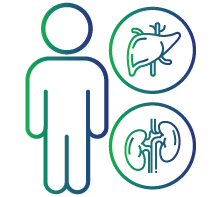 Kidney or liver dysfunction
Preparation for the test
Avoid seafood 48 hours before testing to prevent false elevations of mercury. Inform your doctor about any supplements or medications you are taking. A blood or urine sample is typically required for analysis
Interpretation of Test Results
Normal levels: Indicate no significant heavy metal exposure.
Elevated levels: Suggest recent or chronic exposure requiring further assessment.
Toxic levels: Immediate medical intervention may be necessary, including chelation therapy
FAQs on Heavy Metals Profile-1
Individuals with known environmental exposure, unexplained neurological or gastrointestinal symptoms, or occupational risks
Through ingestion (contaminated food or water), inhalation (polluted air, industrial fumes), or skin absorption
Common sources include industrial emissions, pesticides, seafood, old paint, and contaminated water
Yes, depending on severity, chelation therapy and lifestyle changes may help reduce heavy metal levels
For those in high-risk environments, regular monitoring is recommended
Heavy Metals Profile-1