HDL Cholesterol Direct Test: Booking, Price, and Results
About HDL Cholesterol Direct Test: Booking, Price, and Results
| Field | Value |
|---|---|
| Also Known As | HDL-C Test, Good Cholesterol Test, High-Density Lipoprotein Test |
| Sample Type | Venous blood (serum) |
| Fasting Required | Yes, 10 to 12 hours of fasting is required. Only water is permitted during this period. |
| Report Time | Within 24 hours |
| Recommended For | All adults; especially those with cardiovascular risk factors |
| Price | Starting at ₹220 |
What is an HDL Cholesterol Direct Test?
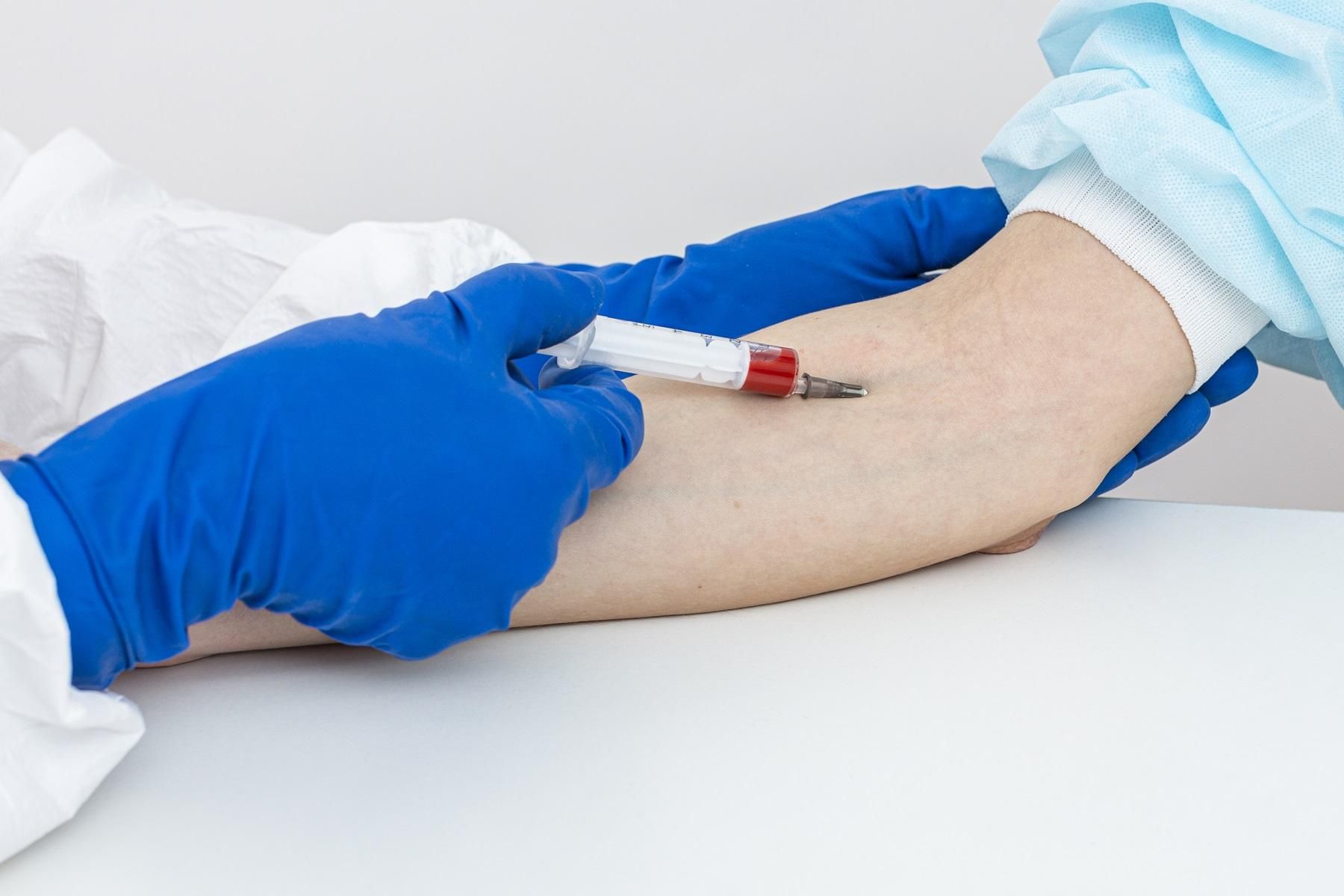
The HDL cholesterol direct test measures the level of high-density lipoprotein (HDL) cholesterol in your blood. HDL helps remove excess cholesterol from the bloodstream and transport it to the liver for processing. This test is typically ordered as part of a routine heart health check or when a doctor wants to assess your cardiovascular risk. It is also known as the HDL-C test or the good cholesterol test. A small sample of venous blood is usually drawn from a vein in your arm.
What Does an HDL Cholesterol Direct Test Measure?
The HDL-C test directly measures a single parameter: HDL cholesterol. The table below explains what this measurement tells your doctor.
| Parameter | What It Shows |
|---|---|
| HDL Cholesterol | The amount of high-density lipoprotein cholesterol in your blood. Higher HDL levels are generally associated with a lower risk of cardiovascular disease. |
Why is an HDL Cholesterol Direct Test Done?
This test is ordered to assess your risk of heart disease and to monitor cholesterol-related health conditions. It is also part of routine lipid screening for adults.
Common Symptoms That May Require This Test
High cholesterol does not usually produce noticeable symptoms. However, a doctor may request the HDL cholesterol direct test when any of the following risk factors are present:
- Obesity or being significantly overweight
- Diagnosed diabetes or high blood pressure
- A sedentary lifestyle with little regular physical activity
- Current or past smoking, excessive alcohol intake
- A family history of heart disease
- A previous heart attack or stroke
Conditions This Test Can Help Detect
The HDL cholesterol direct test can help identify or assess risk for several conditions. These include:
- Cardiovascular disease, including heart attack and stroke risk
- Peripheral arterial disease (reduced blood flow to the limbs)
- Familial combined hyperlipidaemia, a condition causing high triglycerides, low HDL, and high LDL cholesterol
- Metabolic syndrome
- Certain thyroid disorders, particularly hypothyroidism
- Liver disease
- Atherosclerotic cardiovascular disease (ASCVD) risk
HDL Cholesterol Direct Test for Chronic Disease Monitoring
Regular HDL cholesterol testing is recommended as part of routine care for people with diabetes. For those with established heart disease or high cardiovascular risk, the test is repeated to track whether cholesterol-lowering treatment is working. People on lipid-modifying therapy also benefit from periodic testing to assess their response.
How to Prepare and What to Expect
Knowing what to do before your test helps ensure accurate results. The steps are simple, and the procedure itself takes only a few minutes.
Do You Need to Fast?
Yes. Fasting for 10 to 12 hours may be recommended, especially if the test is performed as part of a complete lipid profile, including triglycerides. Avoid tea, coffee, milk, and other beverages until after your sample is collected.
Practical Tips Before Your Test
A few simple steps can help you get the most accurate result from your HDL cholesterol direct test:
- Tell your doctor about all medicines you take, including supplements and over-the-counter drugs, as some can affect cholesterol levels.
- Avoid strenuous exercise for 24 hours before the test.
- Do not consume alcohol before the test.
- Do not get tested if you are currently unwell; wait at least six weeks after any illness, as cholesterol levels can temporarily drop during sickness.
- Follow any specific instructions given by your healthcare provider.
Step-by-Step Procedure
The blood collection process for the HDL-C test procedure is straightforward and takes very little time. Here is what to expect:
- A trained phlebotomist identifies a suitable vein, usually at the inner elbow or the back of your hand.
- The skin over the vein is cleaned with an antiseptic to reduce infection risk.
- A small needle is used to draw a blood sample, which is collected into a test tube or vial.
- The needle is removed, and gentle pressure is applied to the site to stop any bleeding.
- A small bandage or cotton swab is placed over the puncture site.
- The labelled sample is sealed and dispatched to the laboratory for analysis.
Factors That Can Affect Accuracy
Certain factors may influence your HDL cholesterol direct test result. Being aware of these helps you and your doctor interpret findings accurately:
- Recent illness, surgery, or a heart attack (cholesterol levels drop temporarily during these events)
- Certain medications, including beta-blockers, diuretics, and some contraceptive pills
- Smoking and alcohol consumption
- Excess body weight or a high fat percentage
- Pregnancy or having recently given birth
- Stress
Understanding Your HDL Cholesterol Direct Test Results
Your results should always be reviewed alongside your full medical history. The table below shows general reference ranges for HDL cholesterol direct test results.
| Parameter | Desirable Range | Unit |
|---|---|---|
| HDL Cholesterol (Males) | 40 or above | mg/dL |
| HDL Cholesterol (Females) | 50 or above | mg/dL |
| Optimal HDL (all adults) | 60 mg/dL or above | mg/dL |
These ranges are general guidelines. Your doctor will interpret your results based on your age, health history, and other factors. Always consult a qualified healthcare professional for personalised medical advice.
Low HDL cholesterol levels may increase the risk of developing cardiovascular disease.
Results During Special Conditions
Some health situations can temporarily shift your HDL levels away from your usual baseline. Keep these in mind when reviewing results:
- HDL cholesterol can be temporarily lower during acute illness, immediately after a heart attack, or following physical or surgical stress.
- Certain medicines, including oral contraceptives, beta-blockers, and diuretics, can lower HDL levels.
- Recent pregnancy or having given birth recently may also affect your readings.
How to Maintain Healthy Levels
These general lifestyle habits support healthy HDL cholesterol levels:
- Engage in regular moderate physical activity, such as brisk walking or cycling, on most days of the week.
- Follow a balanced diet that limits saturated and trans fats while including healthy fats from sources such as nuts, seeds, and oily fish.
- Quit smoking and limit alcohol intake, as both have a direct effect on HDL levels.
Lupin Diagnostics HDL Cholesterol Direct Test Price and Home Collection
The HDL cholesterol direct test is available at Lupin Diagnostics starting at ₹220, with home sample collection offered across cities. The table below shows approximate prices by city.
| City | Approximate Price (₹) |
|---|---|
| Bengaluru | ₹275 |
| Guwahati | ₹260 |
| Mumbai | ₹260 |
| Chennai | ₹250 |
| Hyderabad | ₹220 |
| Kolkata | ₹260 |
| Pune | ₹220 |
Prices are indicative and may vary by location. Please confirm the current price at the time of booking.
How to Book
Select the test on the Lupin Diagnostics website.
Choose your city and preferred time slot.
Opt for home sample collection by a certified phlebotomist, or visit your nearest Lupin Diagnostics centre.
Receive your report via email or WhatsApp within the stipulated turnaround time.
Home Collection
Lupin Diagnostics offers home collection for the HDL cholesterol direct test online across multiple cities in India. All samples are processed in NABL-accredited laboratories by trained professionals. Your digital report is delivered directly to you via email or WhatsApp.
Frequently Asked Questions
The HDL Cholesterol Direct Test measures the amount of high-density lipoprotein cholesterol circulating in your blood. Your doctor uses this result to assess your heart health and cardiovascular risk.
HDL is called good cholesterol because it moves excess cholesterol away from the arteries and towards the liver for disposal. This process helps reduce cholesterol buildup in artery walls, which reduces the risk of heart attack and stroke.
Yes, fasting for 10 to 12 hours is recommended before HDL cholesterol direct test preparation. Only plain water is allowed during this period. Fasting is primarily required because LDL and triglyceride tests are often run at the same time, and those results are affected by recent meals.
For adults at average risk, checking HDL cholesterol every 4 to 6 years is generally advised. If you have risk factors such as diabetes, high blood pressure, obesity, or a family history of heart disease, your doctor may recommend more frequent testing.
Yes, several medicines can lower HDL cholesterol levels. These include certain oral contraceptive pills, beta-blockers, diuretics, and some medicines used for depression. Always tell your doctor and the testing team about every medication and supplement you are taking before your HDL cholesterol direct test.
The HDL cholesterol direct test measures HDL cholesterol specifically. A full lipid profile is broader and includes total cholesterol, LDL cholesterol, HDL cholesterol, and triglycerides. Your doctor may order just the HDL test or include it as part of a complete lipid panel, depending on your health needs.
Regular physical activity, quitting smoking, maintaining a healthy weight, and eating a diet low in saturated and trans fats can all support better HDL cholesterol levels. Limiting alcohol to moderate amounts may also help. Speak with your doctor before making significant changes to your diet or exercise routine.
HDL Cholesterol Direct Test: Booking, Price, and Results