Book Your Health Check-up
Direct LDL Cholesterol Test: Booking, Price, and Results
About Direct LDL Cholesterol Test: Booking, Price, and Results
| Field | Value |
|---|---|
| Also Known As | DLDL, LDL D, Direct LDL-C, Direct Low-Density Lipoprotein Cholesterol Test, Measured LDL Cholesterol Test |
| Sample Type | Venous blood (serum) |
| Fasting Required | Not required; fasting for 9 to 12 hours is recommended if combined with a lipid panel |
| Report Time | Within 24 hours |
| Recommended For | Adults of all genders, particularly those with high triglycerides or cardiovascular risk factors |
| Price | Starting at ₹220 |
What Is a Direct LDL Cholesterol Test?
The direct LDL cholesterol test measures the amount of low-density lipoprotein cholesterol circulating in your blood. Unlike the standard calculated method, which uses a formula to estimate LDL from other lipid values, the direct LDL-C test measures LDL particles directly in the blood sample. This makes it particularly useful when standard calculations may be unreliable. Doctors commonly prescribe it as part of cardiovascular risk assessment or when triglyceride levels are elevated.
What Does a Direct LDL Cholesterol Test Measure?
The test analyses a single, specific parameter in your blood sample. Here is what it measures and why it matters:
| Parameter | What It Tells You |
|---|---|
| LDL Cholesterol (Direct) | The actual concentration of cholesterol carried by low-density lipoprotein particles in the blood. LDL transports cholesterol throughout the body for cell repair, but can deposit it in artery walls when levels are too high. |
The DLDL method is distinct from the calculated approach because it does not rely on triglyceride levels to arrive at a result, making it more accurate for certain patients.
Why Is a Direct LDL Cholesterol Test Done?
A doctor may request this test for several reasons, from screening for cardiovascular risk to confirming a suspected genetic condition.
Common Symptoms That May Require This Test
High LDL cholesterol usually produces no direct symptoms, but the following signs may prompt a doctor to investigate further:
- Swellings on the knuckles, knees, or at the back of the ankle
- Chest pain or tightness (angina), possibly linked to narrowed arteries
- Numbness or reduced sensation in the limbs
- Persistent fatigue without a clear cause
- Pale white ring around the iris
- Small, yellow cholesterol lumps near the corners of the eyes
Conditions This Test Can Help Detect
This test can help identify or assess the following conditions:
- Atherosclerosis (plaque build-up in artery walls) and related cardiovascular diseases
- Coronary heart disease, heart attack risk, and stroke risk
- Familial hypercholesterolaemia (a genetic condition causing very high LDL)
- Familial hypobetalipoproteinaemia and abetalipoproteinaemia (conditions causing very low LDL)
- Peripheral arterial disease (reduced blood flow to the limbs)
- Hypertriglyceridaemia (high triglycerides), where calculated LDL may be inaccurate
Direct LDL Cholesterol Test for Chronic Disease Monitoring
Monitoring LDL levels is important in patients with diabetes, hypertension, and existing heart disease. The direct LDL test helps doctors check whether cholesterol-lowering treatment is working. It is typically repeated every 4 to 12 weeks after starting therapy, then every 3 to 12 months for ongoing review.
How to Prepare and What to Expect
Preparing for this test is straightforward, but a few steps will help ensure your result is accurate.
Do You Need to Fast?
No fasting is required for the direct LDL-C test alone. However, if your doctor orders it alongside a full lipid panel or other blood tests, you may need to fast for 9 to 12 hours beforehand. Check with your doctor or the collection centre at the time of booking.
Practical Tips Before Your Test
Keep the following points in mind before going for sample collection:
- Avoid alcohol for 24 to 48 hours before the test
- Inform your doctor about any medications, vitamins, or supplements you are taking
- Maintain your normal diet for 2 to 3 weeks before the test for a reliable baseline
- If you have recently had an illness, surgery, or an accident, wait at least 6 weeks before testing, as these events can temporarily alter LDL levels
Step-by-Step Procedure
The blood collection process is quick and causes minimal discomfort. Here is what to expect:
- A trained phlebotomist cleans the skin on the inside of your arm.
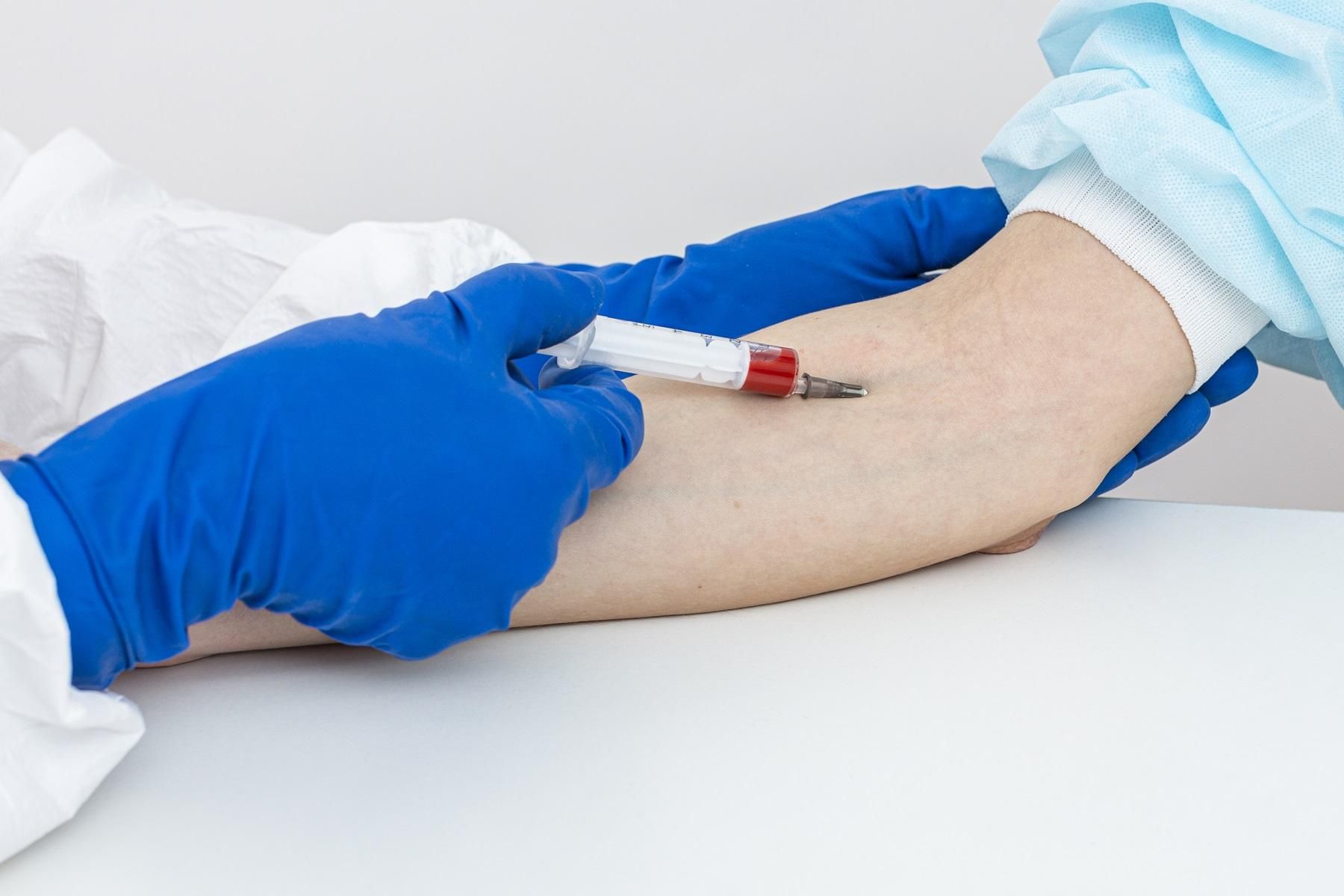
- A fine needle is inserted into a vein to draw a small blood sample. The process usually takes no more than five minutes.
- Blood is collected into an appropriate tube (serum gel or red-top tube).
- Mild pressure is applied to the puncture site to stop any bleeding.
- The sample is labelled and sent to the laboratory for analysis.
- Your report is prepared and delivered within 24 hours.
Factors That Can Affect Accuracy
Several factors may influence your result. Be sure to mention any of the following to your doctor:
- Use of oral contraceptives or other hormonal medications
- Smoking or recent heavy alcohol consumption
- High stress levels at the time of testing
- Recent illness, surgery, or pregnancy
- Underlying conditions such as Waldenström's macroglobulinaemia or liver disease
Understanding Your Direct LDL Cholesterol Test Results
Your results show where your LDL cholesterol level falls relative to established reference ranges. Always review them with your doctor, who will consider your full medical history before drawing any conclusions.
| Category | LDL Cholesterol Level (mg/dL) |
|---|---|
| Desirable | Less than 100 |
| Near optimal | 100 to 129 |
| Borderline high | 130 to 159 |
| High | 160 to 189 |
| Very high | 190 or above |
| With heart disease present | Less than 100 (or less than 70, if advised) |
These ranges are general guidelines. Your doctor will interpret your results based on your age, health history, and other factors. Always consult a qualified healthcare professional for personalised medical advice.
For children and adolescents (0 to 19 years): desirable is 109 mg/dL or below; borderline is 110 to 129 mg/dL; higher risk is 130 mg/dL or above.
Results During Special Conditions
Certain health states can shift your LDL reading in ways that may not reflect your usual baseline:
- During pregnancy, LDL levels can rise by 30 to 40%. Testing is usually recommended at least 6 weeks after delivery for an accurate reading.
- Hypothyroidism reduces the body's ability to clear LDL, which can raise levels significantly.
- A recent heart attack can cause cholesterol levels to fall within 24 hours; results taken shortly after a cardiac event may not be representative.
- Liver disease (such as cirrhosis) and diabetes can both alter lipid metabolism, affecting how results should be interpreted.
How to Maintain Healthy Levels
The following general wellness habits support healthy LDL levels:
- Choose a diet lower in saturated and trans fats; include more fibre-rich foods, vegetables, and whole grains.
- Aim for regular aerobic exercise, such as brisk walking, cycling, or swimming.
- Quit smoking, limit alcohol intake, and work towards a healthy body weight.
Lupin Diagnostics Direct LDL Cholesterol Test Price and Home Collection
The direct LDL cholesterol test is available at Lupin Diagnostics with home sample collection across major Indian cities. The approximate prices below are based on aggregator data; please confirm the current price at the time of booking.
| City | Approximate Price (₹) |
|---|---|
| Mumbai | ₹340 |
| Guwahati | ₹270 |
| Bangalore | ₹220 |
| Chennai | ₹220 |
| Hyderabad | ₹220 |
| Kolkata | ₹340 |
| Pune | ₹320 |
| Bhopal | ₹270 |
Prices are indicative and may vary by location. Please confirm the current price at the time of booking.
How to Book
- Select the test on the Lupin Diagnostics website.
- Choose your city and preferred time slot.
- Opt for home sample collection by a certified phlebotomist, or visit your nearest Lupin Diagnostics centre.
- Receive your report via email or WhatsApp within 24 hours.
Home Collection
Lupin Diagnostics offers home sample collection for the direct LDL-C test across cities in India. All samples are processed in NABL-accredited laboratories by trained professionals. Your digital report will be accessible via email or WhatsApp once it's ready.
Frequently Asked Questions
Calculated LDL uses a formula that relies on your total cholesterol, HDL, and triglyceride values to estimate LDL. The Direct LDL test measures LDL cholesterol directly from your blood sample, without using a formula. This improves accuracy when triglyceride levels are high (above 400 mg/dL), as elevated triglycerides can render the calculated method unreliable.
Fasting is not required for the direct LDL-C test on its own. However, if your doctor orders it alongside a full lipid panel, fasting for 9 to 12 hours before the test is generally recommended. Confirm with your doctor at the time of booking.
A direct LDL test is typically ordered when a patient has high triglyceride levels, which can affect the accuracy of the standard calculated LDL result. It is also used to confirm very low LDL levels and to diagnose certain genetic lipid disorders.
An LDL cholesterol level below 100 mg/dL is generally considered desirable for adults. For people with existing heart disease, the target may be lower, often below 70 mg/dL. Your doctor will advise the right target based on your individual risk profile.
For healthy adults with no major risk factors, testing every 4 to 6 years is usually sufficient. People with diabetes, high blood pressure, or heart disease, or those taking cholesterol-lowering medications, should test more frequently as directed by their doctor.
Yes. Reducing saturated and trans fats in your diet, increasing physical activity, losing excess weight, and quitting smoking can all help lower LDL levels. These steps work best when combined and maintained consistently over time.
Genetics play a significant role in how much cholesterol your body produces. Familial hypercholesterolaemia is a hereditary condition that can cause high LDL regardless of diet. Conditions such as hypothyroidism and kidney disease can also raise LDL levels independently of food choices. Your doctor can help identify the underlying cause.