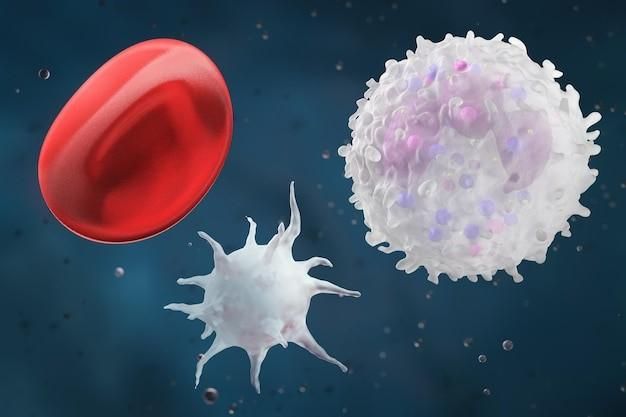
Differential Leucocyte Count (DLC) Test: Booking, Price, and Results
About Differential Leucocyte Count (DLC) Test: Booking, Price, and Results
| Field | Value |
|---|---|
| Also Known As | WBC Differential, White Blood Cell Differential Count, Leukocyte Differential Count, Differential White Cell Count |
| Sample Type | Whole blood (collected in an EDTA tube) |
| Fasting Required | No fasting required |
| Report Time | 1 Day |
| Recommended For | All ages, both males and females |
| Price | Starting at ₹160 |
What is a Differential Leucocyte Count (DLC) Test?
The Differential Leucocyte Count (DLC) test measures the proportion of each type of white blood cell (WBC) in your blood. White blood cells are a key part of your immune system. A doctor may prescribe this test to check for infections, immune conditions, or blood disorders. It is also known as the WBC differential.
What Does a Differential Leucocyte Count (DLC) Test Measure?
The DLC test identifies and counts five distinct types of white blood cells. Each type plays a different role in protecting your body.
Here is a brief overview of each cell type:
| Cell Type | Role in the Body |
|---|---|
| Neutrophils | Your body's first line of defence against bacterial and viral infections |
| Lymphocytes | Include B cells and T cells; fight viruses, bacteria, and abnormal cells such as cancer cells |
| Monocytes | Destroy bacteria and viruses; also clear away dead or damaged cells |
| Eosinophils | Defend against parasites and play a role in allergic reactions and inflammation |
| Basophils | Release enzymes during allergic reactions and asthma episodes |
Why is a Differential Leucocyte Count (DLC) Test Done?
A doctor may order this test for a number of reasons, from investigating symptoms to monitoring a known condition.
Common Symptoms That May Require This Test
The following symptoms may prompt a doctor to request a DLC test:
- High fever or chills
- Unusual fatigue or weakness
- Frequent or recurring infections
- Unexplained weight loss
- Swollen lymph nodes
- Body aches or general pain
- Suspected allergic reactions
Conditions This Test Can Help Detect
The Differential Leucocyte Count can help identify a range of conditions, including:
- Bacterial, viral, or parasitic infections
- Allergic and inflammatory conditions
- Autoimmune disorders
- Anaemia (low red blood cell count)
- Blood cancers such as leukaemia and lymphoma
- Bone marrow disorders
- Immune system deficiencies
Differential Leucocyte Count (DLC) Test During Pregnancy
The DLC test is commonly performed during pregnancy to check for infection or inflammation. WBC counts naturally rise during pregnancy, particularly neutrophils and monocytes, while lymphocyte levels tend to fall. Because of these changes, standard non-pregnancy reference ranges are not reliable, and a doctor will interpret results using pregnancy-specific guidelines.
Differential Leucocyte Count (DLC) Test for Chronic Disease Monitoring
The DLC test is a valuable tool for tracking chronic conditions. It is frequently used alongside the Total Leucocyte Count (TLC) to monitor ongoing infections and immune health. It is also used to assess how well a patient is responding to cancer treatment, including chemotherapy, by tracking whether white blood cell levels return toward normal.
How to Prepare and What to Expect
Preparation for the DLC test is straightforward. No special steps are needed before sample collection.
Do You Need to Fast?
No, fasting is not required before a Differential Leucocyte Count test. You can eat and drink normally before your appointment. If other tests are being done at the same time, your doctor will advise whether fasting is needed for those.
Practical Tips Before Your Test
Follow these simple steps to make your visit smooth and ensure accurate results:
- Drink adequate water before the test to keep your veins easy to access
- Inform your doctor or phlebotomist about all medications you take, including prescription drugs, over-the-counter medicines, vitamins, and herbal supplements, as these can affect WBC counts
- Wear a short-sleeved or loose-sleeved top to allow easy access to your arm
- Avoid strenuous exercise or intense physical activity immediately before the test
Step-by-Step Procedure
Here is what to expect during the DLC test procedure:
- A trained phlebotomist cleans a small area on your arm, usually near the inner elbow, with an antiseptic.
- A small needle is inserted into a vein to draw approximately 2 ml of blood.
- The blood is collected into a lavender-top EDTA tube, which contains an anticoagulant to keep the sample from clotting.
- The needle is removed, and gentle pressure is applied to the site. The whole process takes about two minutes.
- The sample is labelled, stored at the correct refrigeration temperature, and dispatched to the laboratory.
- In the lab, the sample is analysed using microscopy. Each type of white blood cell is counted and its percentage calculated. Results are then prepared for your doctor.
Factors That Can Affect Accuracy
Several factors may influence your DLC test results:
- Current medications, including corticosteroids, chemotherapy drugs, and herbal supplements
- Recent intense physical activity or emotional stress, which can temporarily raise WBC levels
- Pregnancy and labour, which naturally alter white blood cell counts
- Poor sample handling, clotting in the sample, or platelet clumping
- Previous splenectomy (surgical removal of the spleen), which may cause a mild persistent rise in WBC levels
Understanding Your Differential Leucocyte Count (DLC) Results
Your results show the percentage and absolute count of each white blood cell type. A doctor reviews these figures alongside your symptoms and medical history to reach a conclusion.
| Cell Type | Normal Percentage | Normal Absolute Count |
|---|---|---|
| Neutrophils | 40% to 60% | 1,500 to 8,000 cells/µL |
| Lymphocytes | 20% to 40% | 1,000 to 4,000 cells/µL |
| Monocytes | 2% to 8% | 200 to 1,000 cells/µL |
| Eosinophils | 1% to 4% | 100 to 500 cells/µL |
| Basophils | 0.5% to 1% | 0 to 200 cells/µL |
| Total WBC | Not applicable | 4,000 to 11,000 cells/µL |
These ranges are general guidelines. Your doctor will interpret your results based on your age, health history, and other factors. Always consult a qualified healthcare professional for personalised medical advice.
Results During Special Conditions
Certain circumstances can shift DLC values away from the standard ranges without indicating illness.
- During pregnancy, neutrophils and monocytes increase notably, while lymphocyte levels drop. These are normal physiological changes, and pregnancy-specific reference intervals should be used.
- Physical or emotional stress can temporarily raise total WBC and neutrophil counts.
- Some medications, particularly corticosteroids and chemotherapy agents, may lower or raise counts significantly depending on the drug.
How to Maintain Healthy Levels
These general wellness habits support a balanced immune system:
- Eat a varied diet with plenty of fruits, vegetables, and protein-rich foods to provide the nutrients your immune cells need
- Aim for consistent, adequate sleep each night and take steps to manage daily stress
- Exercise regularly, but allow your body to rest and recover before a scheduled blood test
Lupin Diagnostics Differential Leucocyte Count (DLC) Test Price and Home Collection
The DLC test cost at Lupin Diagnostics starts at ₹160, and home collection is available across major cities.
| City | Approximate Price (₹) |
|---|---|
| BHOPAL | 150 |
| CHENNAI | 150 |
| HYDERABAD | 160 |
| KOLKATA | 160 |
| NAVI MUMBAI | 160 |
| PUNE | 160 |
Prices are indicative and may vary by location. Please confirm the current price at the time of booking.
How to Book
Booking your DLC test online with Lupin Diagnostics is simple:
- Select the Differential Leucocyte Count (DLC) test on the Lupin Diagnostics website.
- Choose your city and preferred time slot.
- Opt for home sample collection by a certified phlebotomist, or visit your nearest Lupin Diagnostics centre.
- Receive your report via email or WhatsApp within 1 day.
Home Collection
DLC test home collection is available across multiple cities through Lupin Diagnostics. A certified phlebotomist visits your home at your chosen time to collect the sample. All samples are processed in NABL-accredited laboratories, and your report is delivered digitally for easy access.
Frequently Asked Questions
The TLC (Total Leucocyte Count) tells you the total number of white blood cells in your blood. The Differential Leucocyte Count (DLC) test goes a step further by showing what percentage of each cell type is present. Both tests are often requested together to give a fuller picture of immune health.
No, fasting is not required for the DLC test. You can eat and drink as usual before sample collection. Let your doctor or phlebotomist know about any medications you are currently taking, as these may affect your results.
At Lupin Diagnostics, your DLC test results are delivered within 1 day. You will receive your report digitally via email or WhatsApp.
Elevated neutrophils can occur in response to a bacterial infection, inflammatory conditions, physical or emotional stress, or the use of steroid medications. In rare cases, it may point to a blood disorder. Your doctor will advise on the next steps based on your full clinical picture.
Yes. Both intense physical activity and emotional stress can temporarily raise your white blood cell count. For the most accurate DLC test results, try to be well-rested and calm before your appointment, and avoid strenuous exercise on the day of the test.
Yes, the Differential Leucocyte Count test is safe during pregnancy. It is frequently performed to check for infection or inflammation. Keep in mind that WBC counts naturally change during pregnancy, so your doctor will use appropriate reference ranges when reviewing your results.
Yes. You can complete DLC test online booking through the Lupin Diagnostics website, select a convenient time slot, and choose home collection. A trained phlebotomist will visit your home to collect the blood sample, making the process quick and easy.
Differential Leucocyte Count (DLC) Test: Booking, Price, and Results