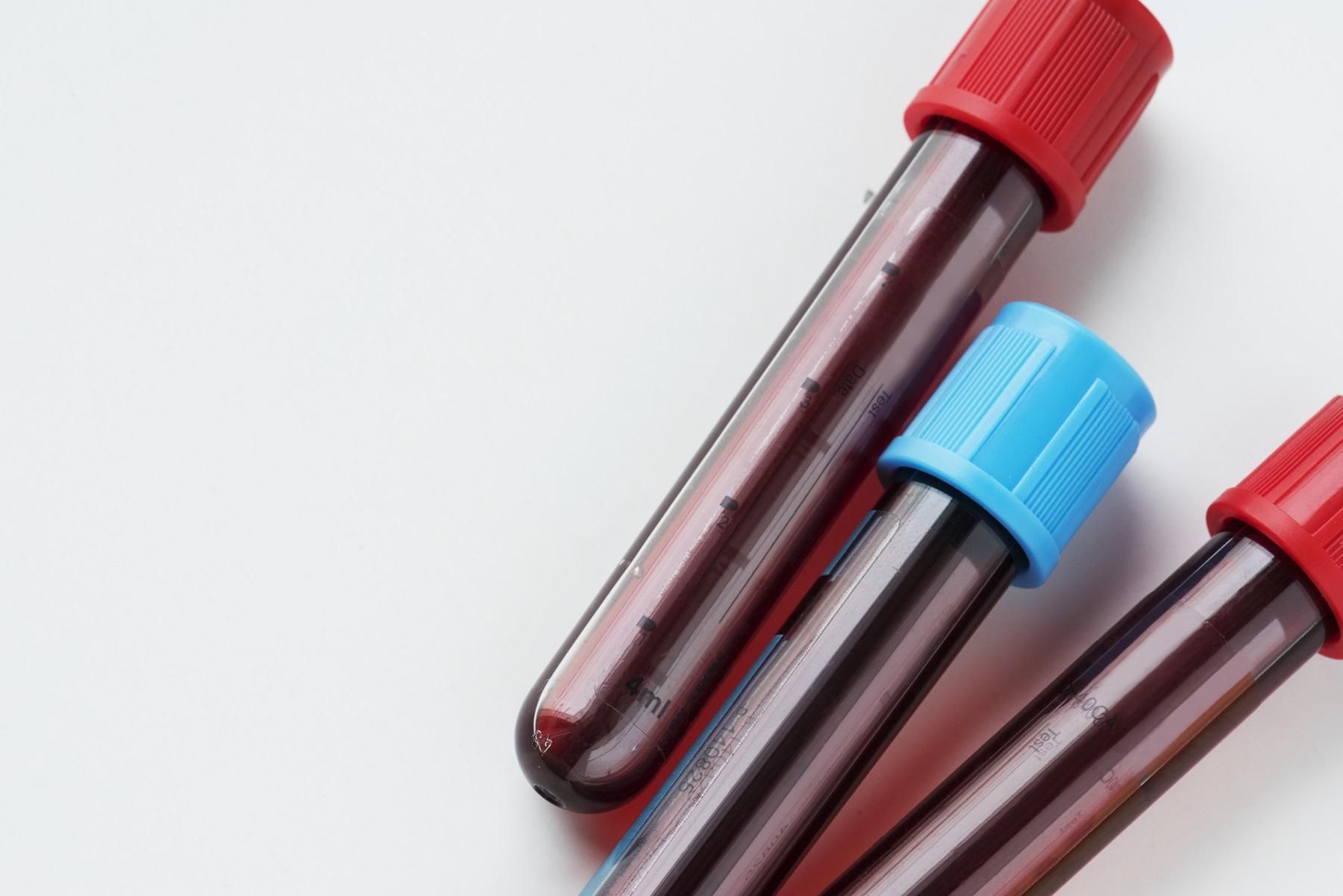
Creatinine, Serum Test: Booking, Price, and Results
About Creatinine, Serum Test: Booking, Price, and Results
| Field | Value |
|---|---|
| Also Known As | Blood creatinine, serum creatinine, SCr, kidney function test, renal function test |
| Sample Type | Serum (venous blood) |
| Fasting Required | No; avoid heavy meat consumption for 24 hours before the test |
| Report Time | 1 day |
| Recommended For | All adults; especially those with diabetes, hypertension, or known kidney disease |
| Price | Starting at ₹220 |
What is a Creatinine, Serum Test?
The creatinine, serum test is a routine blood test that measures the level of creatinine in your blood. Creatinine is a natural waste product formed by the breakdown of muscle tissue and the digestion of protein. Healthy kidneys filter it out efficiently; raised levels in the blood can signal that the kidneys are not working as they should. This test is also referred to as a serum creatinine test, a kidney function test, or a renal function test.
What Does a Creatinine, Serum Test Measure?
The creatinine test analyses two key values. A brief description of each is given below.
| Parameter | What It Tells You |
|---|---|
| Serum Creatinine | The amount of creatinine waste in your blood; reflects how well the kidneys are clearing it |
| Estimated Glomerular Filtration Rate (eGFR) | A calculated figure that estimates the rate at which your kidneys filter waste from the blood |
Why is a Creatinine, Serum Test Done?
A doctor may order a creatinine, serum test for several reasons, from investigating symptoms to monitoring a known condition.
Common Symptoms That May Require This Test
The following symptoms are among the most common reasons a doctor requests this test.
- Unusual fatigue or persistent weakness
- Nausea, vomiting, or poor appetite
- Swelling in the face, hands, or feet
- Changes in urination patterns (more frequent, less frequent, or foamy urine)
- Unexplained weight changes
- Muscle weakness
Conditions This Test Can Help Detect
This test can help identify a range of kidney-related and other conditions.
- Chronic kidney disease (CKD) and acute kidney injury (AKI)
- Kidney infection or inflammation, including glomerulonephritis
- Urinary tract blockage caused by kidney stones or an enlarged prostate
- Dehydration
- Muscle disorders such as muscular dystrophy
Creatinine, Serum Test for Chronic Disease Monitoring
Routine monitoring of serum creatinine is important for people with uncontrolled diabetes or high blood pressure, as these are leading risk factors for kidney disease. The frequency of testing depends on how advanced the condition is. For mild CKD (Stages 1 to 2), testing every 6 to 12 months is typical. Moderate CKD (Stage 3) generally requires checks every 3 to 6 months, while severe CKD (Stages 4 to 5) may call for testing every 1 to 3 months.
How to Prepare and What to Expect
There is very little preparation needed for this test, making it straightforward for most people.
Do You Need to Fast?
No, fasting is not required before a creatinine test. You can eat and drink normally on the day of the test. However, it is a good idea to avoid large, meat-heavy meals for 24 hours beforehand, as high protein intake can temporarily raise creatinine levels.
Practical Tips Before Your Test
A few simple steps will help ensure your results are as accurate as possible.
- Avoid strenuous exercise for 24 hours before sample collection
- Drink adequate water; being well hydrated supports an accurate result
- Inform your doctor about all medications you are taking, including over-the-counter drugs and supplements, as some can affect creatinine levels
- Wear a short-sleeved or loose-sleeved top for easy access to your arm
Step-by-Step Procedure
Here is what to expect during the creatinine test procedure.
- You will be seated comfortably with your arm resting on a flat surface.
- A trained phlebotomist will tie a soft elastic band around your upper arm to make the veins easier to locate.
- The skin over the vein is cleaned with an alcohol swab.
- A thin, sterile needle is gently inserted into the vein, and a small blood sample (around 3 ml) is drawn into a tube.
- The needle is removed, and gentle pressure is applied to the site to stop any bleeding.
- The sealed sample is labelled and sent to the laboratory for analysis.
Factors That Can Affect Accuracy
Certain factors can influence your result independently of kidney function.
- High-protein diet or heavy meat consumption before the test
- Intense physical exercise in the 24 hours before the test
- Dehydration
- Certain medications, including some antibiotics (such as trimethoprim), NSAIDs, and ACE inhibitors
- Creatine supplements
- Very high or very low muscle mass
Understanding Your Creatinine, Serum Test Results
Your results should always be reviewed with your doctor, who will consider them alongside your full medical history and other investigations.
| Parameter | Normal Range | Unit |
|---|---|---|
| Serum Creatinine (Adult Males) | 0.7 to 1.3 | mg/dL |
| Serum Creatinine (Adult Females) | 0.5 to 1.1 | mg/dL |
| eGFR (Normal) | 60 or above | mL/min/1.73 m² |
| eGFR (Possible Kidney Disease) | Below 60 | mL/min/1.73 m² |
| eGFR (Kidney Failure Range) | 15 or below | mL/min/1.73 m² |
These ranges are general guidelines. Your doctor will interpret your results based on your age, health history, and other factors. Always consult a qualified healthcare professional for personalised medical advice.
Results During Special Conditions
Some circumstances can cause results to appear outside the normal range without directly indicating kidney disease.
Pregnancy increases the volume of fluid in the body, which can lower serum creatinine and make it appear falsely normal or low. People with low muscle mass, such as older adults, amputees, or those with muscular dystrophy, may show lower creatinine levels that do not accurately reflect kidney function. Conversely, very high muscle mass can raise creatinine without any kidney problem being present.
How to Maintain Healthy Levels
The following general wellness habits support kidney health and help keep creatinine within a normal range.
- Drink enough water throughout the day to stay well hydrated
- Follow a balanced diet and avoid excessive protein intake over long periods
- Manage underlying conditions such as diabetes and high blood pressure in consultation with your doctor; avoid frequent, unsupervised use of NSAIDs such as ibuprofen
Lupin Diagnostics Creatinine, Serum Test Price and Home Collection
The creatinine test is available at Lupin Diagnostics starting at ₹220, with home sample collection available across cities. The table below lists cities where the test is offered.
| City | Approximate Price (₹) |
|---|---|
| BHOPAL | 110 |
| CHENNAI | 200 |
| HYDERABAD | 170 |
| KOLKATA | 190 |
| NAVI MUMBAI | 220 |
| PUNE | 180 |
Prices are indicative and may vary by location. Please confirm the current price at the time of booking.
How to Book
- Select the creatinine, serum test on the Lupin Diagnostics website.
- Choose your city and preferred time slot.
- Opt for home sample collection by a certified phlebotomist, or visit your nearest Lupin Diagnostics centre.
- Receive your report via email or WhatsApp within 1 day.
Home Collection
Lupin Diagnostics offers home sample collection for the creatinine test along with online booking across multiple cities. A certified phlebotomist visits your home, collects the blood sample, and dispatches it to an NABL-accredited laboratory. Your digital report is delivered to you within the stipulated turnaround time.
Frequently Asked Questions
The serum creatinine test is used to assess how well your kidneys are filtering waste from the blood. Doctors order it when checking for kidney disease, monitoring a known kidney condition, or evaluating symptoms such as swelling, fatigue, or changes in urination.
No, fasting is not required. You can eat and drink normally before the test. It is advisable, however, to avoid large meat-based meals for 24 hours before the test, as this can briefly raise creatinine levels.
A higher-than-normal creatinine level may indicate that the kidneys are not filtering blood efficiently. It can also result from dehydration, high muscle mass, intense recent exercise, a high-protein diet, or certain medications. Your doctor will determine the cause based on your full clinical picture.
Low creatinine levels are often linked to reduced muscle mass, malnutrition, or serious liver disease. Pregnancy can also cause a temporarily low result due to increased fluid volume. Your doctor will advise if any follow-up is needed.
The frequency depends on the stage of the disease. People with mild CKD (Stages 1 to 2) are typically tested every 6 to 12 months. Those with moderate CKD (Stage 3) usually need testing every 3 to 6 months, while severe CKD (Stages 4 to 5) may require checks as often as every 1 to 3 months. Your doctor will advise the right schedule for you.
eGFR stands for estimated glomerular filtration rate. It is a value calculated using your creatinine result along with factors such as age and sex. It gives a more complete picture of kidney filtering ability than creatinine alone and helps doctors assess whether kidney disease is present and how advanced it may be.
Yes, creatinine test home collection is available through Lupin Diagnostics. You can choose creatinine test online booking on the Lupin Diagnostics website, select a convenient time slot, and a trained phlebotomist will collect your sample at home.
Creatinine, Serum Test: Booking, Price, and Results