C-Peptide (PP) Test
About C-Peptide (PP) Test
| Field | Value |
|---|---|
| Also Known As | C-Peptide PP, Connecting Peptide (Postprandial), Insulin C-Peptide, Proinsulin C-Peptide |
| Sample Type | Serum (venous blood) |
| Fasting Required | No; eat a standard meal and wait 2 hours before the blood draw |
| Report Time | 1 Day |
| Recommended For | Adults, particularly those with diabetes or suspected insulin disorders |
| Price | Starting at ₹1,050 |
What is a C-Peptide (PP) Test?
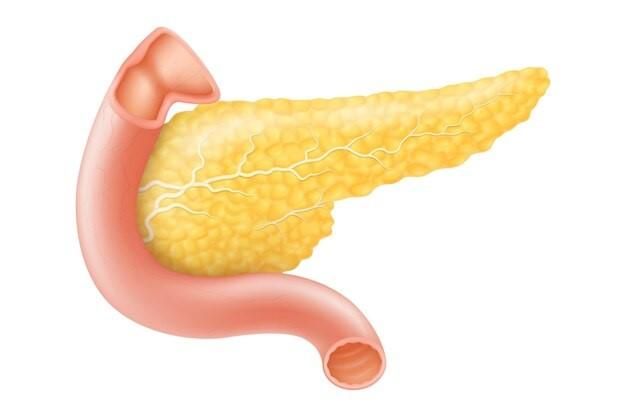
The C-peptide (PP) Test measures the level of C-peptide in your blood after a meal. C-peptide is a small protein fragment produced by the pancreas alongside insulin. Since C-peptide reflects the body's own insulin production without being affected by insulin medicines taken externally, it gives a clearer picture of how well your pancreas is working. This test is also known as the C-Peptide PP, Connecting Peptide (Postprandial), or Proinsulin C-Peptide test.
What Does a C-Peptide (PP) Test Measure?
This test measures the amount of C-peptide circulating in your blood two hours after a meal, when your pancreas is actively responding to food. The table below explains the key components measured.
| Component | What It Tells Us |
|---|---|
| C-Peptide (Postprandial) | Shows how much insulin your pancreas is producing after eating; helps assess beta-cell function and insulin secretory capacity |
C-peptide and insulin are released into the bloodstream together and in equal amounts. However, C-peptide remains in the blood longer than insulin, making it a more stable and reliable marker of the body's natural insulin output.
Why is a C-Peptide (PP) Test Done?
A doctor may order this test for several reasons, from investigating symptoms to tracking a known condition over time.
Common Symptoms That May Require This Test
- Frequent urination and excessive thirst
- Unexplained weight loss
- Persistent fatigue
- Recurring episodes of low blood sugar (hypoglycaemia)
- Tremors, sweating, or confusion
- Symptoms suggestive of insulin overproduction
Conditions This Test Can Help Detect
- Differentiating between type 1 and type 2 diabetes
- Insulinoma, a rare pancreatic tumour that produces excess insulin
- Pancreatic cancer or pancreatic dysfunction
- Cushing syndrome or Addison's disease
- Kidney failure affecting insulin metabolism
- Unexplained hypoglycaemia (low blood sugar)
C-Peptide (PP) Test for Chronic Disease Monitoring
The C-Peptide (PP) Test plays an important role in managing long-term conditions. In people with diabetes, particularly those with adult-onset autoimmune diabetes, measuring C-peptide at regular intervals helps track how well the insulin-producing cells in the pancreas function over time. Alongside tests such as HbA1c, C-peptide measurement can guide treatment decisions and help doctors assess whether a patient's insulin therapy needs adjustment.
How to Prepare and What to Expect
Do You Need to Fast?
No fasting is required for the postprandial (PP) version of this test. You should eat a standard meal approximately two hours before your blood sample is collected. If your doctor has requested the fasting version of the C-Peptide test alongside this one, you will need to fast for 8 to 12 hours for that sample.
Practical Tips Before Your Test
- Bring a detailed clinical history including your symptoms, previous test results, and any relevant medical records, as this is required for the test.
- Inform your doctor about all medications, supplements, and herbal remedies you are taking, as some may affect results.
- Drink water freely; staying well hydrated is fine and helpful.
- Eat your standard meal two hours before the appointment; avoid unusually large or unusual meals.
- If a concurrent blood glucose test has been requested, follow any additional instructions your doctor provides.
Step-by-Step Procedure
- Eat a standard meal approximately two hours before your scheduled appointment.
- A trained phlebotomist will clean a small area on your arm and draw a blood sample from a vein using a fine needle.
- Around 3 ml of blood is collected into a yellow SST gel tube.
- You may feel a brief prick or mild sting; any minor bruising or throbbing at the site usually settles quickly.
- The sealed sample is labelled and stored at 2 to 8°C to maintain its integrity.
- The sample is dispatched to the laboratory, where it is analysed using an enzyme immunoassay (EIA).
Factors That Can Affect Accuracy
- Kidney disease, particularly moderate-to-severe chronic kidney disease, can significantly raise C-peptide levels.
- Certain medications and insulin therapies may alter readings.
- Haemolysis (breakdown of red blood cells in the sample) can compromise accuracy; avoid vigorous arm exercise before collection.
- The timing of the sample relative to your meal matters; aim for exactly two hours after eating.
- Recent illness or significant physical stress may temporarily affect levels.
Understanding Your C-Peptide (PP) Test Results
Results from a C-Peptide (PP) Test are best reviewed with your treating doctor, who will consider them alongside your blood glucose levels and overall medical history.
| Parameter | Normal Range | Unit |
|---|---|---|
| C-Peptide (Postprandial) | 3 to 9 | ng/mL |
| C-Peptide (Postprandial, alternative) | 1 to 2 | nmol/L |
These ranges are general guidelines. Your doctor will interpret your results based on your age, health history, and other factors. Always consult a qualified healthcare professional for personalised medical advice.
If levels are high, this may suggest insulin resistance, type 2 diabetes, an insulinoma, obesity, or kidney disease that causes reduced C-peptide clearance.
If levels are low, this may indicate the pancreas is producing little or no insulin, which is commonly seen in type 1 diabetes and sometimes in Addison disease or liver disease.
Results During Special Conditions
In patients with chronic kidney disease, C-peptide levels can be 2 to 5 times higher than in people with healthy kidney function, because the kidneys are responsible for breaking down C-peptide. This means results in such patients must be interpreted with extra caution, and the test is generally not used for diabetes classification in end-stage renal disease.
How to Maintain Healthy Levels
- Follow a balanced diet with plenty of whole foods, vegetables, and low-glycaemic grains to support stable blood sugar.
- Engage in regular physical activity, as exercise is known to improve the body's sensitivity to insulin.
- If you have a diagnosed condition, adhere to your prescribed treatment plan and attend scheduled follow-up tests as advised by your doctor.
Lupin Diagnostics C-Peptide (PP) Test Price and Home Collection
The C-Peptide (PP) Test is available at Lupin Diagnostics starting at ₹1,050, with home sample collection offered across cities in India.
| City | Approximate Price (₹) |
|---|---|
| BHOPAL | 1050 |
| CHENNAI | 1050 |
| HYDERABAD | 1050 |
| KOLKATA | 1050 |
| NAVI MUMBAI | 1050 |
| PUNE | 1050 |
Prices are indicative and may vary by location. Please confirm the current price at the time of booking.
How to Book
Booking your PP Test online is simple:
- Select the C-Peptide (PP) Test on the Lupin Diagnostics website.
- Choose your city and preferred time slot.
- Opt for home sample collection by a certified phlebotomist, or visit your nearest Lupin Diagnostics centre.
- Receive your report via email or WhatsApp within 1 day of sample collection.
Home Collection
Lupin Diagnostics offers PP Test home collection across major cities in India. All samples are processed in NABL-accredited laboratories staffed by experienced pathologists and trained technologists. Your digital report is delivered securely and conveniently via email or WhatsApp.
Frequently Asked Questions
The fasting version requires you to avoid food for 8 to 12 hours before the blood draw, and it measures baseline insulin production. The C-Peptide (PP) Test is conducted two hours after a meal, when the pancreas is actively responding to food intake. Together, both versions give a fuller picture of how the pancreas produces insulin.
C-peptide remains in the bloodstream longer than insulin and is not affected by external insulin medicines used in diabetes treatment. This makes it a more reliable indicator of the body's own insulin output, particularly for people already on insulin therapy.
Yes. People with type 1 diabetes produce little to no insulin or C-peptide, whereas those with type 2 diabetes often show normal or elevated levels. A doctor uses this distinction, alongside other clinical findings, to help classify the type of diabetes and guide treatment.
The test involves a standard blood draw, which most people find causes only a brief sting at the site of needle insertion. Any mild bruising or tenderness at the site usually disappears within a few hours.
Clinical history is required for accurate interpretation of your results. The significance of your C-peptide level depends on factors such as your current medications, diabetes status, kidney function, and recent blood glucose readings. Bringing relevant records helps the laboratory and your doctor interpret results correctly.
Yes. The kidneys play a major role in removing C-peptide from the blood. In people with moderate to severe chronic kidney disease, C-peptide levels can be 2 to 5 times higher than normal, even without any change in pancreatic function. Your doctor will take this into account when reviewing your results.
Your report will be available within 1 day of sample collection. Lupin Diagnostics delivers digital reports via email or WhatsApp, so you can promptly share them with your doctor.
C-Peptide (PP) Test