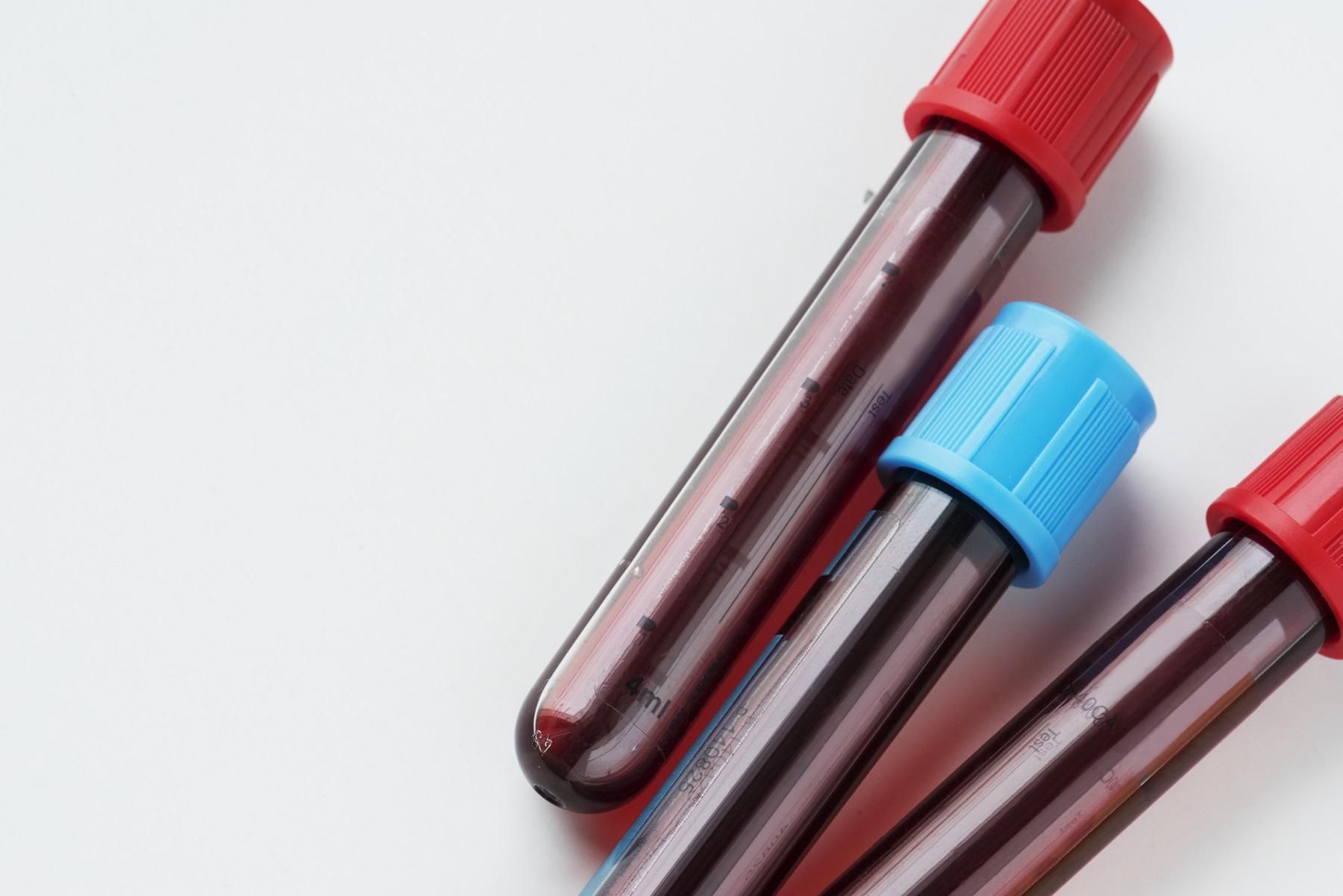
BUN (Blood Urea Nitrogen) Test
About BUN (Blood Urea Nitrogen) Test
| Field | Value |
|---|---|
| Also Known As | Urea nitrogen test, BUN test, serum BUN, blood urea nitrogen |
| Sample Type | Venous blood |
| Fasting Required | Not required for BUN alone; may be needed if part of a broader metabolic panel |
| Report Time | Same day to 24 hours |
| Recommended For | All age groups, males and females |
| Price | Starting at ₹160 |
What Is a BUN (Blood Urea Nitrogen) Test?
The BUN test measures the amount of urea nitrogen in your blood. Urea nitrogen is a waste product that forms when your body breaks down protein. Healthy kidneys filter this waste out through urine, so the level in your blood reflects how well your kidneys are working.
Also called the urea nitrogen test or serum BUN test, it is commonly ordered as part of a routine health check or when a doctor suspects a kidney-related problem. A small sample of blood drawn from a vein in your arm is all that is needed.
What Does a BUN (Blood Urea Nitrogen) Test Measure?
The blood urea nitrogen test focuses on a single, specific marker produced during normal body processes. Here is what it tracks:
| Component | What It Is |
|---|---|
| Blood Urea Nitrogen (BUN) | A waste product formed when the body breaks down dietary and tissue protein. The liver produces it; the kidneys remove it. |
| Urea | A nitrogen-containing compound made in the liver as the final step of protein breakdown. About 85% leaves the body through the kidneys; the rest is excreted through the digestive tract. |
Why Is a BUN (Blood Urea Nitrogen) Test Done?
A doctor may order the BUN test for several reasons, from investigating symptoms to tracking an existing condition.
Common Symptoms That May Require This Test
The following symptoms may prompt your doctor to request this test:
- Frequent urination or changes in urinary habits
- Blood visible in urine
- Swelling in the hands, feet, or ankles
- Persistent fatigue or low energy
- Loss of appetite or nausea
- Muscle cramps without a clear cause
Conditions This Test Can Help Detect
The blood urea nitrogen test can help identify a range of kidney and related conditions, including:
- Acute or chronic kidney failure and general kidney impairment
- Kidney inflammation (glomerulonephritis) or kidney infection (pyelonephritis)
- Damage to the kidney tubules (acute tubular necrosis)
- Dehydration or states where the body is breaking down its own protein rapidly
- Upper gastrointestinal bleeding
- Urinary blockages such as kidney stones or an enlarged prostate
- Congestive heart failure
- Liver disease (which may cause unusually low BUN levels)
BUN (Blood Urea Nitrogen) Test During Pregnancy
BUN levels drop noticeably during pregnancy. This happens because blood plasma volume increases, blood flow to the kidneys rises, and the kidneys filter waste more efficiently. A low BUN result in pregnancy is therefore expected and normal.
BUN (Blood Urea Nitrogen) Test for Chronic Disease Monitoring
For people already diagnosed with chronic kidney disease (CKD) or those undergoing dialysis, the serum BUN test is a useful monitoring tool. It helps track how the condition is progressing and whether treatment is effectively clearing waste from the blood.
Conditions such as diabetes and high blood pressure can gradually affect kidney function. Regular BUN testing helps detect these changes early, allowing timely adjustments to care.
How to Prepare and What to Expect
Preparing for a BUN test is straightforward and requires minimal effort.
Do You Need to Fast?
No, fasting is not required for the BUN test on its own. Your doctor may still suggest avoiding very high-protein meals before the test. If your doctor has ordered additional blood tests alongside the BUN, those tests may require 8 to 12 hours of fasting, so always check the full list of instructions given to you.
Practical Tips Before Your Test
A few simple steps can help ensure accurate results:
- Drink adequate water before the test, unless your doctor has advised otherwise
- Tell your doctor about all medicines you take, including prescription drugs, over-the-counter medicines, and any Ayurvedic or herbal supplements
- Mention any bleeding disorders or blood-thinning medications before the blood draw
- Continue your regular medications unless your doctor specifically asks you to pause them
Step-by-Step Procedure
Here is what typically happens during sample collection:
- A trained phlebotomist (blood collection specialist) will clean the skin over a vein in your arm using an antiseptic solution.
- A thin needle is gently inserted into the vein to draw a small amount of blood into a collection vial.
- You may feel a brief pinch. Some mild bruising at the site is possible but usually fades within a day or two.
- The needle is removed and a small bandage is applied to the area.
- The labelled blood sample is securely packaged and sent to the laboratory for analysis.
- Your results are typically ready within the same day or within 24 hours.
Factors That Can Affect Accuracy
Certain factors can influence your BUN reading. Be sure to inform your doctor about any of the following:
- A very high or very low protein diet
- Dehydration or excessive fluid intake
- Medications such as carbamazepine, methotrexate, or tetracycline
- Recent gastrointestinal bleeding
- Reduced liver function, which affects how urea is produced
Understanding Your BUN (Blood Urea Nitrogen) Test Results
Your report will show a BUN value in milligrams per decilitre (mg/dL). The table below lists general reference ranges by age group.
| Age Group | Normal Range (mg/dL) |
|---|---|
| Newborns (0 to 2 months) | 3 to 12 |
| Infants and children (2 months to 12 years) | 5 to 18 |
| Adolescents (13 to 17 years) | 7 to 20 |
| Adults (18 to 59 years) | 7 to 20 |
| Older adults (60 years and above) | 8 to 23 |
| BUN/Creatinine ratio (adults) | 10:1 to 20:1 |
These ranges are general guidelines and can vary by laboratory. Your doctor will interpret your results based on your age, health history, and other factors. Always consult a qualified healthcare professional for personalised medical advice.
Results During Special Conditions
Certain circumstances can shift BUN values outside the usual ranges without indicating disease. Your doctor will account for these when reviewing your report:
- During pregnancy, BUN falls significantly due to expanded blood volume and faster kidney filtration
- BUN levels tend to rise with age and may differ slightly between males and females
- A high-protein diet or gastrointestinal bleeding can push BUN levels upward even when the kidneys are functioning normally
- In congestive heart failure with otherwise intact kidneys, BUN may rise substantially while creatinine remains within normal limits
How to Maintain Healthy Levels
These general wellness tips can support kidney health and help keep BUN within a normal range:
- Stay well hydrated. As a general guide, men may aim for around 3 litres of fluids daily and women around 2.7 litres, adjusting for activity and climate.
- If your doctor has noted elevated BUN, moderating very high protein intake may be helpful. Discuss any dietary changes with your doctor first.
- Managing underlying conditions such as diabetes and high blood pressure through regular check-ups and a balanced diet supports long-term kidney health.
Lupin Diagnostics BUN (Blood Urea Nitrogen) Test Price and Home Collection
The BUN test cost in India starts at approximately ₹160, with prices varying by city. Home sample collection is available, making it convenient to get tested without visiting a centre.
| City | Approximate Price (₹) |
|---|---|
| Mumbai | ₹240 |
| Bangalore | ₹240 |
| Chennai | ₹240 |
| Hyderabad | ₹180 |
| Kolkata | ₹150 |
| Pune | ₹240 |
| Indore | ₹160 |
| Bhopal | ₹160 |
Prices are indicative and may vary by location. Please confirm the current price at the time of booking.
How to Book
Booking your BUN test through Lupin Diagnostics is simple:
- Select the test on the Lupin Diagnostics website
- Choose your city and preferred time slot
- Opt for home sample collection by a certified phlebotomist, or visit your nearest Lupin Diagnostics centre
- Receive your report via email or WhatsApp within the stipulated turnaround time
Home Collection
Lupin Diagnostics offers home sample collection for the blood urea nitrogen test across multiple cities in India. All samples are processed in NABL-accredited laboratories by trained professionals. Once ready, your digital report is shared directly via email or WhatsApp for easy access.
Frequently Asked Questions
The BUN test measures urea nitrogen in the blood to assess how well your kidneys are filtering waste. Doctors use it to screen for kidney problems, monitor known kidney conditions, and investigate symptoms such as swelling, fatigue, or changes in urination.
Fasting is not required for the serum BUN test on its own. Your doctor may advise avoiding very high-protein meals before the test. If other blood tests are ordered at the same time, those may require fasting for 8 to 12 hours, so follow your doctor's full set of instructions.
A high BUN reading may suggest that the kidneys are not filtering waste efficiently. However, high levels can also result from dehydration, a high-protein diet, gastrointestinal bleeding, or certain medications. Your doctor will consider all of these possibilities when reviewing your result.
Low BUN levels are less common and may be linked to a low-protein diet, overhydration, or reduced liver function. Low BUN during pregnancy is normal and reflects healthy physiological changes, not a health problem.
Both the blood urea nitrogen test and the creatinine test assess kidney function, but they measure different waste products. BUN reflects protein breakdown, while creatinine comes from muscle activity. Creatinine is generally considered a more reliable kidney marker, which is why doctors often look at both values together, including the BUN/creatinine ratio, for a clearer picture.
Yes. A trained phlebotomist can visit your home to collect the blood sample. The sample is then taken to a NABL-accredited laboratory for testing, and results are delivered digitally. Search for 'BUN test near me' on the Lupin Diagnostics website to check availability in your city.
The frequency depends on your health situation. For routine check-ups, your doctor will advise based on your age and risk factors. If you have chronic kidney disease, diabetes, or high blood pressure, more regular monitoring may be recommended. Always follow your doctor's guidance on testing frequency.
BUN (Blood Urea Nitrogen) Test