Bicarbonate Serum Test
About Bicarbonate Serum Test
| Field | Value |
|---|---|
| Also Known As | Carbon dioxide test, CO2 test, Total CO2 test, Bicarb test, HCO3 test, Bicarbonate blood test |
| Sample Type | Venous blood (serum) |
| Fasting Required | Not required |
| Report Time | Same day |
| Recommended For | All genders and age groups |
| Price | Starting at ₹600 |
What Is a Bicarbonate Serum Test?
A bicarbonate serum test measures the amount of carbon dioxide (CO2) present in the liquid portion of your blood. Most of this CO2 exists in the form of bicarbonate (HCO3-), so the test effectively reflects how much bicarbonate is circulating in your bloodstream. Doctors order it to check the body's acid-base balance and electrolyte status. It is also called a carbon dioxide test, CO2 test, total CO2 test, or HCO3 test.
What Does a Bicarbonate Serum Test Measure?
The bicarb test analyses two closely related components in your blood. Here is what each component tells us:
| Component | What It Tells Your Doctor |
|---|---|
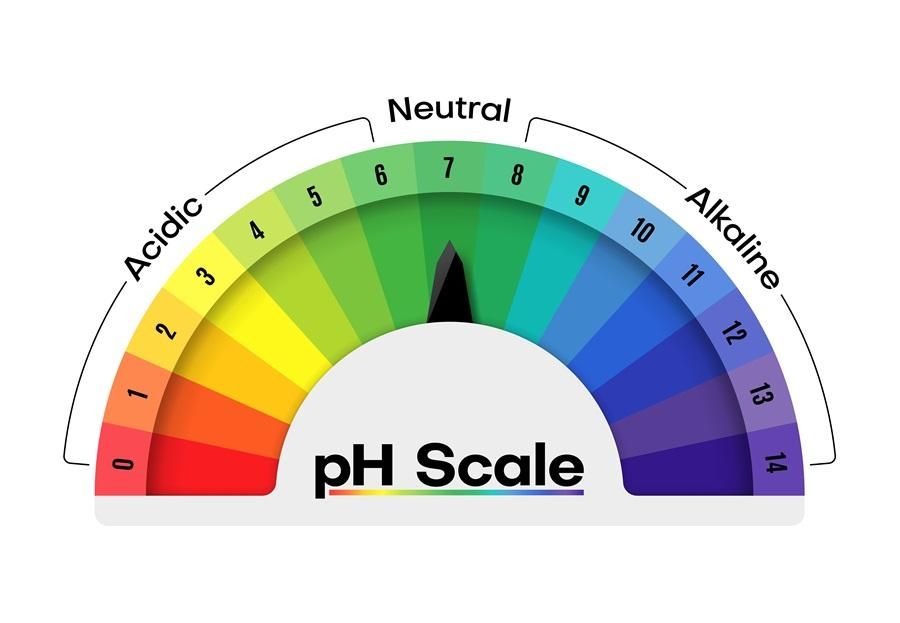
| Bicarbonate (HCO3-) | An electrolyte that neutralises excess acids and keeps blood pH in a healthy range (7.35 to 7.45) |
| Total CO2 (TCO2) | The combined amount of bicarbonate, dissolved carbon dioxide, and carbonic acid in the serum |
Why Is a Bicarbonate Serum Test Done?
This test is ordered when a doctor wants to assess how well your body is regulating its acid-base balance or electrolyte levels.
Common Symptoms That May Require This Test
Your doctor may request a CO2 test if you are experiencing any of the following symptoms:
- Unusual fatigue or generalised weakness
- Rapid or irregular heartbeat
- Difficulty breathing
- Confusion or difficulty concentrating
- Persistent vomiting or diarrhoea
Conditions This Test Can Help Detect
The total CO2 test can help identify a range of conditions, including:
- Metabolic acidosis (too much acid in the blood)
- Metabolic alkalosis (blood pH rising too high due to excess bicarbonate)
- Renal tubular acidosis (a kidney condition affecting acid removal)
- Ketoacidosis (acid build-up from ketones, associated with diabetes)
- Addison's disease (an adrenal gland disorder)
- Kidney disorders and renal failure
- Electrolyte imbalances
- Lung conditions such as COPD (chronic obstructive pulmonary disease)
Bicarbonate Serum Test for Chronic Disease Monitoring
The bicarbonate serum test is regularly used to monitor patients with chronic kidney disease (CKD). As kidney function declines, the kidneys lose their ability to remove acid from the body, causing bicarbonate levels to drop. Repeat testing helps doctors track how well treatment is working. The test is also used to monitor diabetic ketoacidosis and ongoing respiratory conditions.
How to Prepare and What to Expect
Getting a bicarbonate blood test is straightforward. Here is what you need to know before your appointment.
Do You Need to Fast?
No, fasting is not required before a bicarbonate blood test. You can eat and drink normally on the day of your test. If your doctor has ordered additional tests alongside this test, fasting may be required for those specific tests. Always follow the instructions given by your doctor or the diagnostic centre at the time of booking.
Practical Tips Before Your Test
A few simple steps can help ensure your result is as accurate as possible:
- Tell your doctor about all prescription medicines, over-the-counter drugs, and supplements you take, as many can affect results
- Avoid eating large quantities of acidic fruits just before the test
- Rest quietly for a few minutes before your sample is collected, as rapid breathing or breath-holding can temporarily shift your acid-base balance
- Wear a short-sleeved top or clothing with sleeves that roll up easily
Step-by-Step Procedure
The blood collection process is quick and causes minimal discomfort. Here is what to expect:
- A trained phlebotomist will ask you to sit comfortably and extend your arm.
- An elastic band is tied around your upper arm to make the vein more visible.
- The skin over the vein is cleaned with an alcohol swab.
- A small needle is inserted, and a blood sample is drawn into a collection tube.
- The needle is removed, and a small bandage is placed over the site.
- Your sample is sealed and sent to the laboratory for analysis.
Factors That Can Affect Accuracy
Several factors can influence your HCO3 test results:
- Medicines such as thiazide diuretics, steroids, bicarbonate-containing antacids, and some antibiotics
- Underlying respiratory or metabolic disorders
- Poor blood tube handling, such as inadequate sealing that lets CO2 escape before testing
- Dehydration or severe vomiting before the test
Understanding Your Bicarbonate Serum Test Results
Your results should always be reviewed alongside your doctor, who will interpret them in the context of your full health picture.
| Parameter | Normal Range | Unit |
|---|---|---|
| Bicarbonate | 22 to 29 | mEq/L |
A value within the normal range generally indicates that the body is regulating acid-base balance effectively. A reading below 22 mEq/L may suggest the blood is too acidic. A reading above 29 mEq/L may indicate the blood is too alkaline.
These ranges are general guidelines. Your doctor will interpret your results based on your age, health history, and other factors. Always consult a qualified healthcare professional for personalised medical advice.
Results During Special Conditions
Certain situations can cause bicarbonate levels to read differently than expected:
- During pregnancy, an increased breathing rate caused by progesterone can lead to lower observed CO2 levels. This is a normal physiological change and does not necessarily indicate a problem.
- In older adults, bicarbonate levels tend to decline gradually after the age of 60, as the kidneys progressively lose some capacity to excrete acid and produce buffering compounds.
- Medications including fludrocortisone, barbiturates, hydrocortisone, and bicarbonate-containing antacids can raise bicarbonate levels, while acetazolamide and some antibiotics may lower them.
How to Maintain Healthy Levels
These general wellness habits support healthy acid-base balance:
- Eat more fruits and vegetables, and reduce your intake of meat, eggs, and processed grains, as plant-based foods tend to have an alkalising effect.
- Drink adequate water each day to support kidney function.
- Work with your healthcare provider to manage ongoing conditions such as diabetes or kidney disease.
Lupin Diagnostics Bicarbonate Serum Test Price and Home Collection
The bicarbonate serum test price at Lupin Diagnostics starts from approximately ₹600, with home sample collection available across cities in India.
| City | Approximate Price (₹) |
|---|---|
| Mumbai | ₹660 |
| Bengaluru | ₹600 |
| Chennai | ₹600 |
| Hyderabad | ₹600 |
| Kolkata | ₹600 |
| Pune | ₹660 |
Prices are indicative and may vary by location. Please confirm the current price at the time of booking.
How to Book
- Select the test on the Lupin Diagnostics website.
- Choose your city and preferred time slot.
- Opt for home sample collection by a certified phlebotomist, or visit your nearest Lupin Diagnostics centre.
- Receive your report via email or WhatsApp within the stipulated turnaround time.
Home Collection
Lupin Diagnostics offers home collection for the bicarbonate serum test across multiple cities, so you can have your sample taken without visiting a centre. All samples are processed in NABL-accredited laboratories by experienced technologists. Your digital report is delivered directly to you via email or WhatsApp.
Frequently Asked Questions
A bicarbonate serum test checks the level of bicarbonate in your blood to assess whether your body's acid-base balance is within a healthy range. It helps doctors identify or monitor conditions such as metabolic acidosis, metabolic alkalosis, kidney disorders, and diabetic ketoacidosis.
No fasting is required before this test. You can eat and drink as usual on the day. However, always let your doctor know about any medicines, supplements, or over-the-counter medications you are taking, as some can affect your results.
A small amount of blood is drawn from a vein in your arm using a fine needle. The process takes only a few minutes. You may feel a brief sting when the needle is inserted, and there may be minor bruising at the site afterwards, but there are no significant risks associated with routine blood collection.
A low result on the CO2 test may indicate metabolic acidosis, a condition where there is too much acid in the blood. This can occur due to kidney disease, diabetic ketoacidosis, severe diarrhoea, or lactic acid build-up. Your doctor will look at other test results alongside this finding before drawing any conclusions.
A high level can suggest metabolic alkalosis, where the blood becomes too alkaline. Common causes include repeated vomiting, overuse of antacids, dehydration, and certain lung or adrenal gland conditions such as COPD or Cushing's syndrome. Your doctor will interpret this alongside your symptoms and other test findings.
Healthy kidneys remove acid from the body and maintain adequate bicarbonate levels in the blood. In chronic kidney disease, this function is gradually lost, leading to metabolic acidosis. Kidney specialists generally recommend keeping serum bicarbonate at or above 22 mEq/L. Regular total CO2 test monitoring helps track how well the condition is being managed.
The frequency depends on the stage of kidney disease and is decided by your doctor. Patients in CKD stages G3 to G5 are typically screened for metabolic acidosis as part of routine monitoring. Your healthcare provider will advise on how often testing is appropriate for your situation.
Bicarbonate Serum Test