Amylase, Serum Test: Booking, Price, and Results
About Amylase, Serum Test: Booking, Price, and Results
| Field | Value |
|---|---|
| Also Known As | Amy test, Serum amylase, S-amylase, Blood amylase |
| Sample Type | Serum (venous blood) |
| Fasting Required | Yes — avoid food and drink (except water) for 2 hours before the test; avoid alcohol for 24 hours before |
| Report Time | Within 1 day |
| Recommended For | All genders, all age groups |
| Price | Starting at ₹500 |
What Is an Amylase, Serum Test?
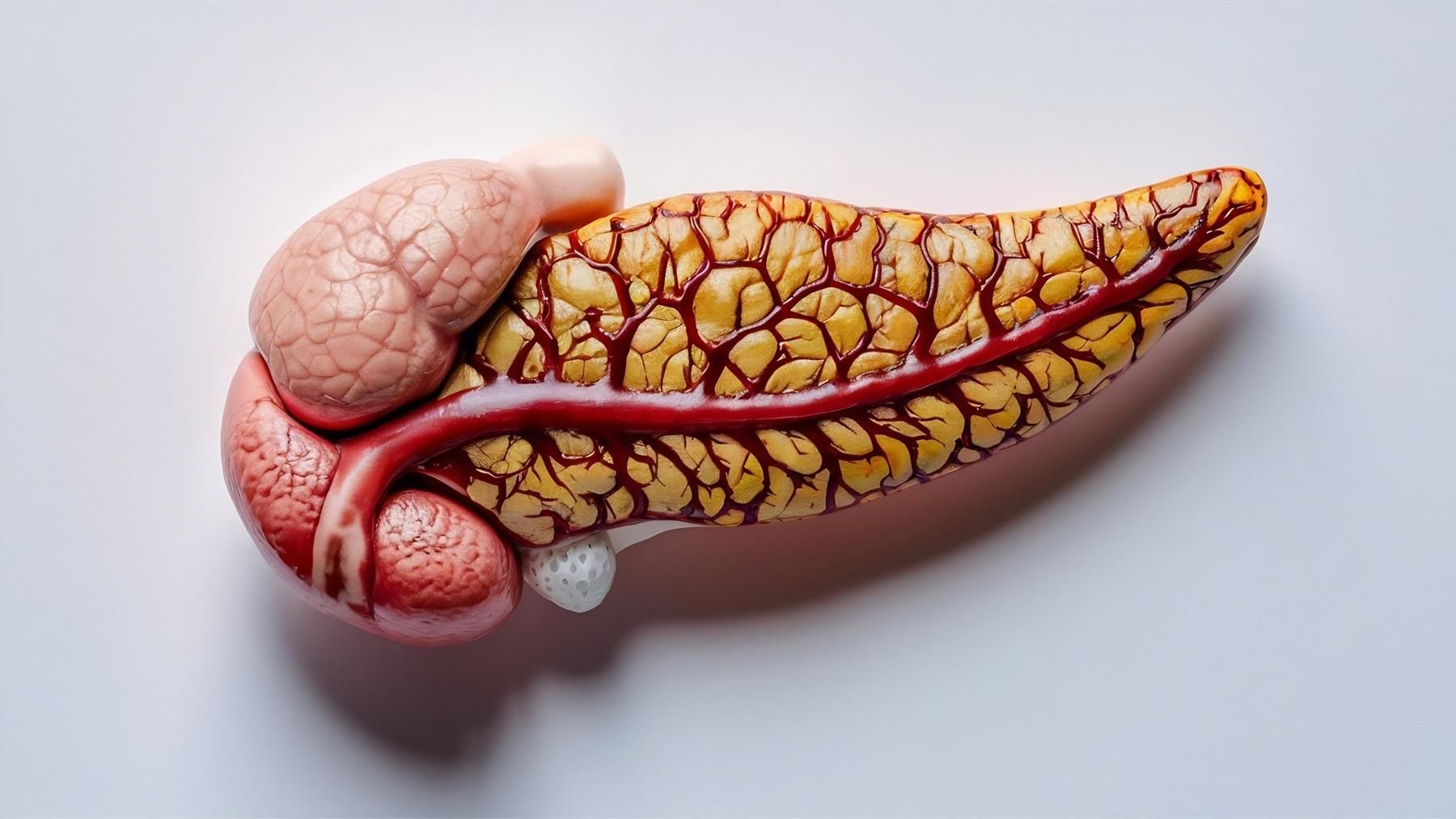
The amylase test measures the level of amylase, an enzyme produced by the pancreas and salivary glands, in your blood. Amylase helps the body break down carbohydrates during digestion. A doctor may order this test when there is suspicion of a pancreatic or salivary gland problem. It is also called the serum amylase test, S-amylase test, or blood amylase test.
What Does an Amylase, Serum Test Measure?
This test measures a single enzyme in your blood. The table below explains what is being assessed and why it matters:
| Parameter | What It Reflects |
|---|---|
| Serum Amylase | The total amount of amylase circulating in the blood, produced mainly by the pancreas and salivary glands |
Amylase exists in two forms: P-type (from the pancreas) and S-type (from the salivary glands). The pancreas contributes roughly 40 to 45% of total serum amylase, while the salivary glands contribute 55 to 60%. Abnormal levels in either direction can point to a problem with these organs.
Why Is an Amylase, Serum Test Done?
Doctors order this test to investigate symptoms related to the pancreas or digestive system. It is used both to detect problems and to monitor known conditions over time.
Common Symptoms That May Require This Test
The following symptoms often prompt a doctor to request an amylase, serum test:
- Upper abdominal (belly) pain, sometimes spreading to the back
- Nausea and vomiting
- Fever
- Loss of appetite
- Abdominal tenderness or bloating
Conditions This Test Can Help Detect
This test can help identify a range of conditions, including:
- Pancreatitis (inflammation of the pancreas), whether sudden or long-term
- Gallstones or pancreatic duct blockage
- Pancreatic cancer
- Salivary gland diseases such as mumps (parotiditis)
- Alcohol use disorder
- Cystic fibrosis (a genetic condition affecting the lungs and digestive system)
- Eating disorders
- Bowel perforation or peptic ulcer that has extended into the pancreas
- Ruptured ectopic pregnancy (a pregnancy that has developed outside the uterus)
Amylase, Serum Test for Chronic Disease Monitoring
This test is a standard tool for monitoring long-term pancreatitis. Doctors may order repeat tests over time to track how the condition is progressing or how well a patient is responding to treatment. It is also used to detect blockages in the pancreatic duct in patients with known pancreatic disease.
How to Prepare and What to Expect
Preparing correctly for the amylase test helps ensure accurate results. Below is everything you need to know before your appointment.
Do You Need to Fast?
Yes. Avoid eating or drinking anything except water for at least 2 hours before your blood is collected. You should also avoid alcohol for the full 24 hours before the test, as alcohol can directly affect amylase levels.
Practical Tips Before Your Test
Keep the following in mind when preparing for your test:
- Bring a detailed clinical history, including your symptoms, previous test results, and any relevant medical records, as this is required for the test.
- Tell your doctor about all prescription and over-the-counter medicines you are taking; do not stop any medication unless instructed to do so.
- Be aware that certain medicines, including aspirin, morphine, antiretroviral drugs, and oestrogen-containing drugs, can affect your results.
- Wear a short-sleeved or loose-fitting top so the phlebotomist (the person collecting your blood) can access your arm easily.
- Drink enough water before your appointment to stay well hydrated.
Step-by-Step Procedure
Here is what happens during sample collection for the amylase test procedure:
- A trained phlebotomist will ask you to confirm your details and check your preparation instructions.
- A tight band (tourniquet) is wrapped around your upper arm to make the vein easier to find.
- The skin on the inside of your elbow is cleaned with an antiseptic solution.
- A fine needle is gently inserted into a vein. You may feel a brief sting or pinch.
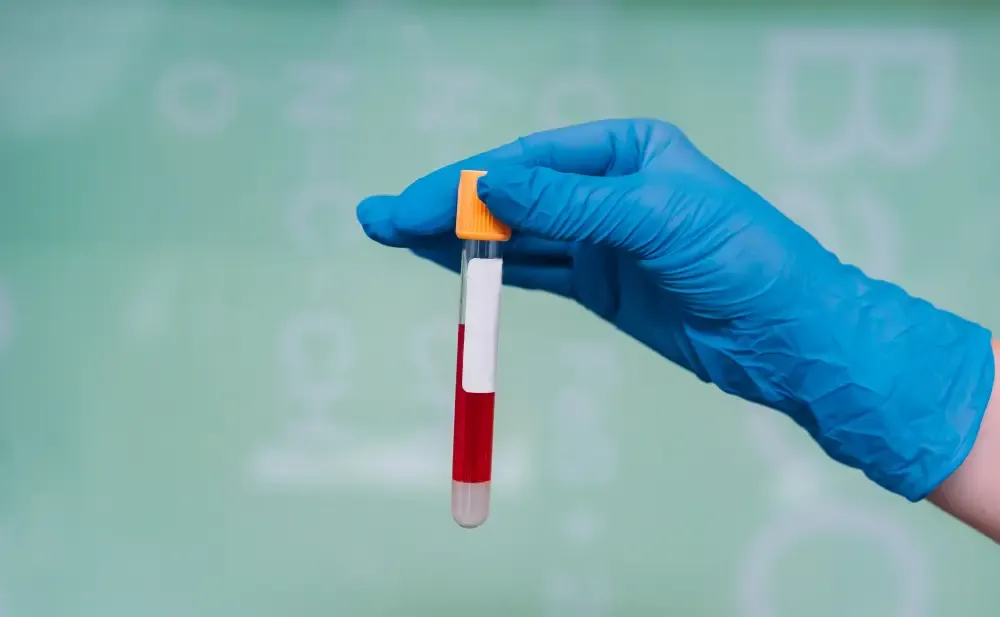
- A small tube is filled with your blood sample (approximately 3 mL). The band and needle are then removed.
- Light pressure is applied to the site to stop any bleeding, and a small bandage is placed on the skin. The sample is labelled and sent to the laboratory for analysis.
Factors That Can Affect Accuracy
The following factors may influence your amylase test results:
- Recent alcohol consumption
- Certain medications (aspirin, narcotic painkillers, corticosteroids, loop diuretics, oral contraceptives)
- High levels of triglycerides (blood fats), which can cause amylase to appear falsely normal
- Recent kidney transplant
- A recent procedure called ERCP (endoscopic retrograde cholangiopancreatography), which examines the bile ducts and pancreas
- Kidney dysfunction or diabetic ketoacidosis
Understanding Your Amylase, Serum Test Results
Your results will show your serum amylase level in units per litre (U/L). The table below gives general reference ranges. Please note that normal ranges can vary between laboratories.
| Parameter | Normal Range |
|---|---|
| Serum Amylase | 40 to 140 U/L |
A level above three times the upper limit of normal is often associated with acute pancreatitis. A level below 17.3 U/L, when found consistently, can be a strong indicator of chronic pancreatitis. That said, normal amylase does not always rule out disease, as levels can remain within range even when significant pancreatic damage is present.
These ranges are general guidelines. Your doctor will interpret your results based on your age, health history, and other factors. Always consult a qualified healthcare professional for personalised medical advice.
Results During Special Conditions
Certain situations can shift your amylase reading without reflecting a new condition:
- A slight rise in amylase may be seen in older adults and during normal pregnancy.
- In pancreatitis linked to very high blood fat levels (hypertriglyceridaemia), amylase may appear falsely normal because elevated triglycerides interfere with the test.
- Medications such as oral contraceptives, corticosteroids, and narcotic painkillers can push amylase levels higher.
How to Maintain Healthy Levels
These general wellness tips support good pancreatic health:
- Limit alcohol intake, as regular heavy drinking can impair pancreatic function over time.
- Follow a balanced diet that is low in processed foods and saturated fats.
- Manage conditions such as gallstones or high triglycerides with guidance from your doctor.
Lupin Diagnostics Amylase, Serum Test Price and Home Collection
The amylase test cost at Lupin Diagnostics starts at ₹500, and home sample collection is available across cities. The table below shows approximate prices in major Indian cities:
| City | Approximate Price (₹) |
|---|---|
| BHOPAL | 480 |
| CHENNAI | 400 |
| HYDERABAD | 450 |
| KOLKATA | 450 |
| NAVI MUMBAI | 500 |
| PUNE | 450 |
Prices are indicative and may vary by location. Please confirm the current price at the time of booking.
How to Book
- Select the Amylase, Serum Test on the Lupin Diagnostics website.
- Choose your city and preferred time slot.
- Opt for home sample collection by a certified phlebotomist, or visit your nearest Lupin Diagnostics centre.
- Receive your report via email or WhatsApp within the stipulated turnaround time.
Home Collection
The amylase test home collection service is available across multiple cities in India. A trained phlebotomist will visit your home at your chosen time to collect the blood sample. All samples are processed in NABL-accredited laboratories, and your digital report will be shared with you within 1 day.
Frequently Asked Questions
This test is mainly used to check for problems with the pancreas, particularly pancreatitis. Doctors also use it to monitor long-term pancreatic conditions and to investigate symptoms such as severe abdominal pain, nausea, and fever.
Yes. You should avoid eating or drinking anything except water for 2 hours before the test. Alcohol should be avoided for the full 24 hours before your sample is collected, as it can directly raise amylase levels.
In acute pancreatitis, serum amylase levels typically rise within 12 hours of the episode starting. Since the kidneys clear amylase quickly, levels usually return to normal within 48 to 72 hours, even if the underlying condition persists.
Yes, this can happen. Serum amylase is elevated in about 75% of pancreatitis cases, but levels can remain normal even in severe disease. When blood fat levels are very high, they can also interfere with the test, making results appear falsely normal.
Several common medicines can alter amylase levels, including aspirin, morphine and other narcotic painkillers, corticosteroids, loop diuretics, and oral contraceptives. Always tell your doctor about every medicine you are taking before the test.
Doctors often order the amylase test alongside a lipase test, which measures another enzyme produced by the pancreas. Together, these two tests provide a clearer picture of pancreatic health than either test alone.
Amylase, Serum Test: Booking, Price, and Results