Book Your Health Check-up
Allergy, Dermatophagoides Pteronyssinus Test: Booking, Price, and Results
About Allergy, Dermatophagoides Pteronyssinus Test: Booking, Price, and Results
| Field | Value |
|---|---|
| Also Known As | D. pteronyssinus IgE Test, European House Dust Mite Test, House Dust Mite Allergy Test (d1), Der p IgE, HDM Allergy Test |
| Sample Type | Venous blood (serum) |
| Fasting Required | No fasting required |
| Report Time | 2 to 4 days |
| Recommended For | All ages; males and females |
| Price | Starting at ₹1,300 |
What Is an Allergy Dermatophagoides Pteronyssinus Test?
The Allergy Dermatophagoides pteronyssinus test is a blood test that checks for specific IgE (immunoglobulin E) antibodies produced by your immune system in response to proteins from a common house dust mite species. Doctors prescribe it when a patient has persistent allergy-like symptoms that may be linked to dust mites at home. It is also called the European House Dust Mite test or the D. pteronyssinus IgE test, and it uses a small sample of blood drawn from a vein.
What Does an Allergy Dermatophagoides Pteronyssinus Test Measure?
This test analyses one specific component in your blood. The table below explains what is measured and why it matters:
| Parameter | What It Measures |
|---|---|
| Specific IgE antibodies to Dermatophagoides pteronyssinus | The level of IgE antibodies your immune system has made in response to house dust mite proteins. Higher levels suggest greater sensitivity to this allergen. |
Why Is an Allergy Dermatophagoides Pteronyssinus Test Done?
Your doctor may recommend this test when your symptoms point towards a possible dust mite allergy. It can also help confirm the trigger before a specialist starts immunotherapy.
Common Symptoms That May Require This Test
The following symptoms are commonly associated with dust mite sensitivity and may prompt a doctor to request this test.
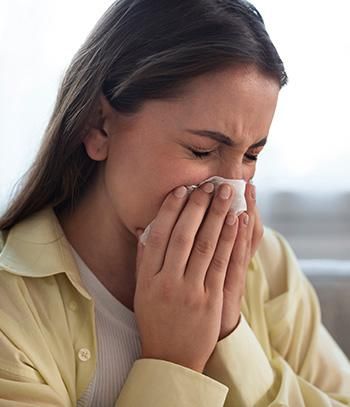
- Runny or stuffy nose that is difficult to clear
- Itchy, red, or watery eyes
- Sneezing, especially in the morning or at night
- Itchy nose, throat, or roof of the mouth
- Postnasal drip (mucus running down the back of the throat)
- Facial pressure or pain around the sinuses
- Wheezing or difficulty breathing
Conditions This Test Can Help Detect
This test may support the diagnosis of several allergy-related conditions.
- Allergic rhinoconjunctivitis (inflammation affecting the nose and eyes, causing sneezing and itching)
- Allergic asthma triggered by house dust mite exposure
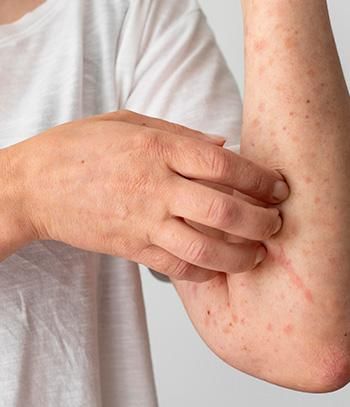
- Atopic eczema (a chronic skin condition causing itchy, inflamed skin)
- Generalised sensitisation to house dust mites as an identified allergen
How to Prepare and What to Expect
No special preparation is needed for this test. The process is quick and straightforward for most people.
Do You Need to Fast?
No, fasting is not required before the Allergy Dermatophagoides pteronyssinus test. You can eat and drink normally on the day of collection. If your doctor has ordered other blood tests alongside this one, check with them separately, as some tests may have their own fasting requirements.
Practical Tips Before Your Test
A few simple steps can help make your visit go smoothly.
- Tell your doctor or phlebotomist about any medications, vitamins, or supplements you are currently taking.
- Antihistamines do not need to be stopped before this blood test, unlike skin prick tests.
- Wear a short-sleeved top or one with sleeves that can be rolled up easily.
- Stay well hydrated, as this can make veins easier to find.
- No dietary restrictions apply before the test.
Step-by-Step Procedure
Here is what typically happens during your sample collection visit:
- You will be seated comfortably, and a trained phlebotomist will identify a suitable vein, usually in the crook of your arm.
- An elastic band (tourniquet) is placed around your upper arm to make the vein more prominent.
- You may be asked to clench your fist briefly to help fill the vein with blood.
- The skin at the collection site is cleaned with an antiseptic wipe.
- A fine needle is gently inserted into the vein, and a small amount of blood is drawn into a labelled collection tube.
- The needle is removed, and a cotton ball or gauze is pressed over the site. The sample is then sent to the laboratory for analysis.
Factors That Can Affect Accuracy
Certain factors may influence the reliability of your result.
- Markedly elevated total IgE levels (above 2,500 kU/L) can occasionally produce false-positive results due to nonspecific binding.
- Smoking or an active parasitic infection may raise overall IgE levels, which can affect interpretation.
- Some medications may influence the result; always inform your doctor.
- Seasonal variation in humidity and sunlight may affect specific IgE levels in some individuals.
Understanding Your Allergy Dermatophagoides Pteronyssinus Test Results
Your results are reported in kU/L (kilounits per litre) and classified by grade. The table below shows the standard reference ranges used by most laboratories.
| Class | Specific IgE Level (kU/L) | Interpretation |
|---|---|---|
| Class 0 | Less than 0.35 | Negative; no sensitisation detected |
| Class 1 | 0.35 to 0.69 | Low positive; weak sensitisation |
| Class 2 | 0.70 to 3.49 | Moderate positive |
| Class 3 | 3.50 to 17.49 | High positive |
| Class 4 | 17.50 to 49.99 | Very high positive |
| Class 5 | 50.00 to 99.99 | Very high positive |
| Class 6 | 100 or above | Very high positive |
Values of 0.70 kU/L or above (Class 2 and higher) are generally flagged as elevated. A result below 0.35 kU/L indicates that no detectable sensitisation to Dermatophagoides pteronyssinus was found in your blood sample.
These ranges are general guidelines. Your doctor will interpret your results based on your age, health history, and other factors. Always consult a qualified healthcare professional for personalised medical advice.
Results During Special Conditions
Certain situations can affect how results should be read.
Some people may show low but measurable IgE levels without any clinically relevant allergy. This does not automatically mean a dust mite allergy is present. Separately, individuals with very high total IgE (above 2,500 kU/L), smokers, or those with a current parasitic infection may show elevated IgE readings that are not directly related to dust mite sensitivity.
Your doctor will consider these possibilities when reviewing your results.
How to Maintain Healthy Levels
While these tips do not replace medical advice, they can help reduce dust mite exposure in your home:
- Keep indoor humidity below 50% using a dehumidifier or air conditioner, as dust mites thrive in warm, humid conditions.
- Wash all bedding, including pillowcases and blankets, regularly in hot water (at least 54°C) to reduce mite populations.
- Consider replacing fitted carpets in the bedroom with hard flooring such as wood or vinyl, particularly if sensitivity is confirmed.
Lupin Diagnostics Allergy, Dermatophagoides Pteronyssinus Test Price and Home Collection
The Allergy Dermatophagoides pteronyssinus test is available at Lupin Diagnostics starting from ₹1,300, with home sample collection available across cities in India. The city-wise price estimates are listed below:
| City | Approximate Price (₹) |
|---|---|
| Mumbai | ₹1,300 |
| Bengaluru | ₹1,300 |
| Hyderabad | ₹1,300 |
| Chennai | ₹1,300 |
| Kolkata | ₹1,300 |
| Pune | ₹1,300 |
Prices are indicative and may vary by location. Please confirm the current price at the time of booking.
How to Book
Booking your test with Lupin Diagnostics takes just a few steps.
- Select the test on the Lupin Diagnostics website.
- Choose your city and preferred time slot.
- Opt for home sample collection by a certified phlebotomist, or visit your nearest Lupin Diagnostics centre.
- Receive your report via email or WhatsApp within the stipulated turnaround time.
Home Collection
Lupin Diagnostics offers home sample collection for the European House Dust Mite test across major cities in India, so you do not need to travel to a centre. All samples are processed in NABL-accredited laboratories by trained professionals. Your digital report is delivered directly to your email or WhatsApp once ready.
Frequently Asked Questions
Dermatophagoides pteronyssinus is a species of house dust mite. These microscopic creatures are too small to see with the naked eye. They are commonly found in bedding, upholstered furniture, and carpets, where they feed on shed skin cells. Warm and humid indoor environments support their growth.
A skin prick test places small amounts of allergen directly on the skin to check for a reaction. The European House Dust Mite test near me blood test, on the other hand, measures IgE antibodies in a blood sample. It is a useful alternative for people who have skin conditions or take medications that could interfere with skin testing.
No. Antihistamines do not affect blood IgE results, so there is no need to stop taking them before the Allergy Dermatophagoides pteronyssinus test. This is one advantage the blood test has over skin prick testing, which does require antihistamine withdrawal.
Not entirely. A negative result means no detectable IgE antibodies were found, but it does not always exclude a clinical allergy. Your doctor will assess your result alongside your symptoms and medical history before reaching a conclusion.
Dust mite allergy symptoms can occur throughout the year, but many people notice they worsen in autumn and winter when homes are closed up and humidity changes. Research also suggests that specific IgE levels can show seasonal variation linked to humidity and sunlight levels.
Yes. The reference ranges used for this test apply to all age groups. In children who are prone to allergic conditions, symptoms such as eczema and breathing problems can appear even in infants and toddlers. If a parent or doctor suspects dust mite sensitivity, the test can be done at any age.