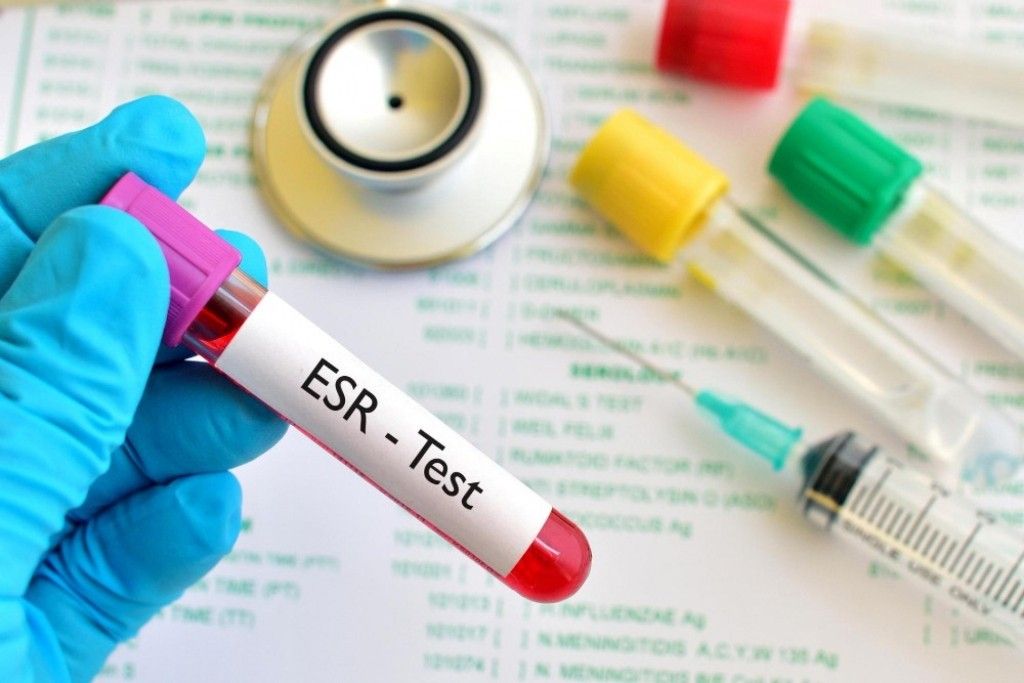
1,3 Beta-D-Glucan Test: Booking, Price, and Results
About 1,3 Beta-D-Glucan Test: Booking, Price, and Results
| Field | Value |
|---|---|
| Also Known As | BDG Test, Fungitell Assay, Glucan Antigen Test, Beta-D-Glucan Assay, Serum BDG |
| Sample Type | Venous blood (serum) |
| Fasting Required | No fasting needed |
| Report Time | 1 to 3 days |
| Recommended For | Adults of both genders; especially immunocompromised individuals, ICU patients, transplant recipients, and those on chemotherapy |
| Price | Starting at ₹12,000 |
What Is a 1,3 Beta-D-Glucan Test?
The 1,3 beta-D-glucan test is a blood test that detects a specific carbohydrate found in the cell walls of many fungi. When fungi invade the body, this substance enters the bloodstream and can be measured in a serum sample. Doctors prescribe the BDG test to identify invasive fungal infections in patients who are at high risk, such as those with weakened immune systems. It is also known as the glucan antigen test or the Fungitell Assay.
What Does a 1,3 Beta-D-Glucan Test Measure?
The test detects and quantifies (1,3)-beta-D-glucan (BDG) in the blood. BDG is a polysaccharide that forms part of the outer wall of many fungal species. When these fungi invade body tissues, BDG leaks into the bloodstream, where it can be picked up by this test.
The assay can detect BDG from the following fungal pathogens:
- Candida species (cause of invasive candidiasis)
- Aspergillus species (cause of invasive aspergillosis)
- Fusarium species
- Pneumocystis jirovecii (cause of a serious lung infection)
- Histoplasma capsulatum
- Coccidioides immitis
- Trichosporon species
- Sporothrix schenckii
- Saccharomyces cerevisiae
- Acremonium species
Why Is a 1,3 Beta-D-Glucan Test Done?
The BDG test helps doctors detect invasive fungal infections quickly, particularly in patients who are seriously ill or have weakened immunity.
Common Symptoms That May Require This Test
Invasive fungal infections can present in different ways depending on the organs affected. A doctor may order the glucan antigen test if you experience any of the following:
- Persistent fever and chills that do not improve with antibacterial treatment
- Cough, chest pain, or shortness of breath
- Unusual skin rash or skin changes
- Unexplained generalised weakness or fatigue
- Low blood pressure without a clear cause
- Muscle aches and body pain
- Sudden changes in vision
Conditions This Test Can Help Detect
The 1,3 beta-D-glucan test can help identify a range of serious fungal infections. These include:
- Invasive candidiasis (fungal infection of the blood and deep tissues)
- Invasive aspergillosis (fungal infection of the lungs or sinuses)
- Pneumocystis jirovecii pneumonia (PJP), common in immunocompromised patients
- Fusariosis and histoplasmosis
- Other deep-seated fungal infections caused by susceptible species
1,3 Beta-D-Glucan Test for Chronic Disease Monitoring
The BDG test is not only a diagnostic tool; it is also used to monitor a patient's response to antifungal treatment. Serial testing at least twice a week is associated with a significantly improved ability to detect invasive fungal infection in at-risk patients compared with a single test. Doctors may repeat the test during chemotherapy cycles or in patients with blood cancers to monitor disease progression over time.
How to Prepare and What to Expect
No special preparation is needed for the 1,3 beta-D-glucan test. Here is what you should know before your appointment.
Do You Need to Fast?
No, fasting is not required. You can eat and drink normally before your blood sample is collected.
Practical Tips Before Your Test
A few simple steps can help ensure an accurate result and a smooth experience. Keep the following in mind:
- Drink plenty of water before your appointment to make the blood draw easier.
- Inform your doctor about all medications you are taking, particularly antibiotics or immunoglobulin infusions.
- Avoid recent exposure to glucan-containing surgical gauze if possible, as this can affect results.
- Wear a short-sleeved or loose-fitting top for easy access to your arm.
Step-by-Step Procedure
Here is what happens during blood sample collection for the BDG test:
- A trained phlebotomist cleans a small area on your arm with an antiseptic solution.
- A tourniquet is wrapped around your upper arm to make the vein easier to locate.
- A sterile needle is gently inserted into the vein to draw a small amount of blood.
- The blood is collected into a serum separator or red-top tube and allowed to clot for about 30 minutes.
- The tube is then centrifuged (spun at high speed) to separate the serum from the blood cells.
- The sealed sample is labelled and dispatched to the laboratory for analysis.
Factors That Can Affect Accuracy
Certain situations can lead to false-positive or inaccurate results. Your doctor should be aware of the following:
- Recent haemodialysis, particularly with cellulose-based filters
- Receipt of blood products, such as albumin or intravenous immunoglobulins
- Exposure to glucan-containing surgical gauze during a recent operation
- Certain antibiotics, including piperacillin-tazobactam and amoxicillin-clavulanate
- Bacterial infections caused by organisms such as Streptococcus pneumoniae or Pseudomonas aeruginosa
- Large surface-area burns or intestinal injury
Understanding Your 1,3 Beta-D-Glucan Test Results
Your results should always be reviewed by a qualified doctor who can consider your full medical history. The table below shows the general reference ranges used for this test.
| Result Category | Value (pg/mL) | Interpretation |
|---|---|---|
| Negative | Less than 60 | No significant fungal infection detected |
| Indeterminate | 60 to 79 | Borderline; repeat testing may be advised |
| Positive | 80 or above | Suggestive of invasive fungal infection |
These ranges are general guidelines. Your doctor will interpret your results based on your age, health history, and other factors. Always consult a qualified healthcare professional for personalised medical advice.
Results During Special Conditions
Certain medical situations can affect the reliability of results. Your doctor will account for the following when interpreting your report:
- A false-positive result may occur due to contamination from BDG-containing medical devices, breakdown of the gut lining allowing BDG to enter the bloodstream, or the use of certain blood-derived products.
- Conditions such as severe burns or intestinal injury may also raise BDG levels without a true fungal infection being present.
- The test does not detect BDG from Mucorales (such as Mucor and Rhizopus), Cryptococcus species, or Blastomyces species. A negative result does not rule out infections caused by these specific organisms.
How to Maintain Healthy Levels
These are general wellness practices, not substitutes for medical treatment:
- Practise thorough hand hygiene, especially in hospital or care settings.
- If you are immunocompromised, avoid high-risk environments such as construction sites or areas with heavy mould exposure.
- Follow your doctor's guidance on antifungal preventive therapy if you fall into a high-risk group.
Lupin Diagnostics 1,3 Beta-D-Glucan Test Price and Home Collection
The 1,3 beta-D-glucan test price starts at approximately ₹7,500, with home sample collection available across major cities. Prices shown below are based on aggregator data.
| City | Approximate Price (₹) |
|---|---|
| Mumbai | ₹12,000 |
| Bangalore | ₹12,000 |
| Chennai | ₹12,000 |
| Hyderabad | ₹12,000 |
| Kolkata | ₹12,000 |
| Pune | ₹12,000 |
Prices are indicative and may vary by location. Please confirm the current price at the time of booking.
How to Book
Booking your glucan antigen test with Lupin Diagnostics is straightforward:
- Select the test on the Lupin Diagnostics website.
- Choose your city and preferred time slot.
- Opt for home sample collection by a certified phlebotomist, or visit your nearest Lupin Diagnostics centre.
- Receive your report via email or WhatsApp within the stipulated turnaround time.
Home Collection
Home collection for the BDG test is available in cities across the country through Lupin Diagnostics. A certified phlebotomist visits your home to collect the blood sample safely and hygienically. All samples are processed in NABL-accredited laboratories, and digital reports are accessible via email or WhatsApp.
Frequently Asked Questions
The 1,3 beta-D-glucan test is used to detect invasive fungal infections in patients who are seriously ill or immunocompromised. BDG is released into the blood when certain fungi invade body tissues, making this test a useful early indicator of infection. Prompt detection helps doctors begin appropriate antifungal treatment without delay.
The BDG test can detect infections caused by Candida, Aspergillus, Fusarium, Pneumocystis jirovecii, and several other fungal species. However, it does not detect infections caused by Cryptococcus, Mucor, Rhizopus, or Blastomyces, as these organisms produce little or no BDG.
No fasting is required before the glucan antigen test. You can eat and drink as usual before your sample is collected.
The sensitivity of the BDG test ranges from 64% to 93%, and its specificity from 87% to 100%, according to available studies. The test has a high negative predictive value, meaning a negative result strongly indicates that an invasive fungal infection is unlikely.
This test is recommended for individuals at high risk of invasive fungal infections. These include patients with neutropenia (low white blood cell count), those who have undergone bone marrow or organ transplantation, people living with HIV, patients on chemotherapy, and those receiving immunosuppressive medications. If your doctor suspects a fungal infection based on your symptoms and risk factors, they may order the 1,3 beta-D-glucan test.
Yes, home sample collection is available for the BDG test. A trained phlebotomist will visit your home at a time convenient to you, collect the blood sample, and dispatch it to the laboratory. You will receive your results digitally once they are ready.
1,3 Beta-D-Glucan Test: Booking, Price, and Results