Loading Health Condition Content...

Your cart is empty
Add tests or packages to get started
Loading Health Condition Content...
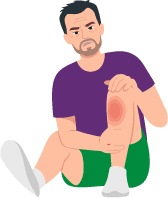
Bone health and joint health play a critical role in mobility, independence, and overall quality of life. Yet, conditions affecting bones and joints, especially arthritis, are often dismissed as a normal part of aging. Persistent joint pain, stiffness, or reduced movement are frequently ignored until daily activities become difficult.
Bone health refers to the strength, density, and structural integrity of bones, which allow the body to support weight, protect organs, and enable movement. Healthy bones are essential for maintaining posture, balance, and mobility throughout life.
Arthritis is a group of conditions characterized by inflammation, degeneration, or damage to one or more joints. It leads to joint pain, stiffness, swelling, and reduced range of motion. Arthritis is not a single disease but an umbrella term covering more than 100 joint-related disorders.
Arthritis can affect individuals at any age and, if left untreated, can significantly impair daily functioning and independence.
India is witnessing a rapid rise in musculoskeletal disorders due to aging population, sedentary lifestyles, nutritional deficiencies, and increased life expectancy.
With India’s aging population expected to double by 2050, the burden of arthritis and bone health disorders is projected to rise sharply.
Many people accept joint pain and stiffness as inevitable with age. However, early arthritis symptoms often indicate underlying joint or bone damage that can worsen if ignored. Regular bone health tests and early arthritis evaluation can help preserve mobility and prevent long-term complications.
Arthritis is defined as inflammation or degeneration of one or more joints, resulting in pain, swelling, stiffness, and reduced movement.
Bone health disorders include conditions that weaken bones, reduce bone density, or increase fracture risk, often coexisting with joint diseases.
Osteoarthritis is a degenerative joint disease caused by gradual wear and tear of cartilage- the protective cushioning at the ends of bones.
Rheumatoid arthritis is an autoimmune disease in which the immune system attacks the lining of joints.
Understanding the difference between osteoarthritis and rheumatoid arthritis is crucial for correct diagnosis and management.
Bones provide structure and support, while joints allow movement by connecting bones through cartilage, ligaments, and synovial fluid. Healthy cartilage enables smooth motion. Damage to cartilage, bone, or joint lining results in pain and stiffness.
Arthritis develops due to a combination of biological, mechanical, and lifestyle-related factors.
Weak bones can worsen joint damage and increase fracture risk.
Early arthritis symptoms are often subtle but progressively worsen.
Ignoring early joint pain can lead to irreversible joint damage.
A bone density test measures bone mineral density and helps assess fracture risk. It is essential for identifying weak bones and osteoporosis.
Test for calcium, vitamin D and phosphorus are also helpful.
These tests help distinguish between different forms of arthritis and guide management.
Regular testing helps track disease progression, response to treatment, and risk of complications.
Untreated arthritis and poor bone health can lead to:
While not all arthritis can be prevented, risk can be significantly reduced.
Prevention and early care are far more effective than treating advanced disease.
Consistency is key to preserving long-term joint health.
Joint pain, stiffness, swelling, and reduced movement are common early signs.
Not always, but persistent joint pain should be evaluated to rule out arthritis.
Osteoarthritis is wear-and-tear related, while rheumatoid arthritis is autoimmune.
Adults over 50, postmenopausal women, and individuals with fracture risk should consider testing.
While not fully preventable, maintaining healthy weight, activity, and early testing significantly reduce risk.