


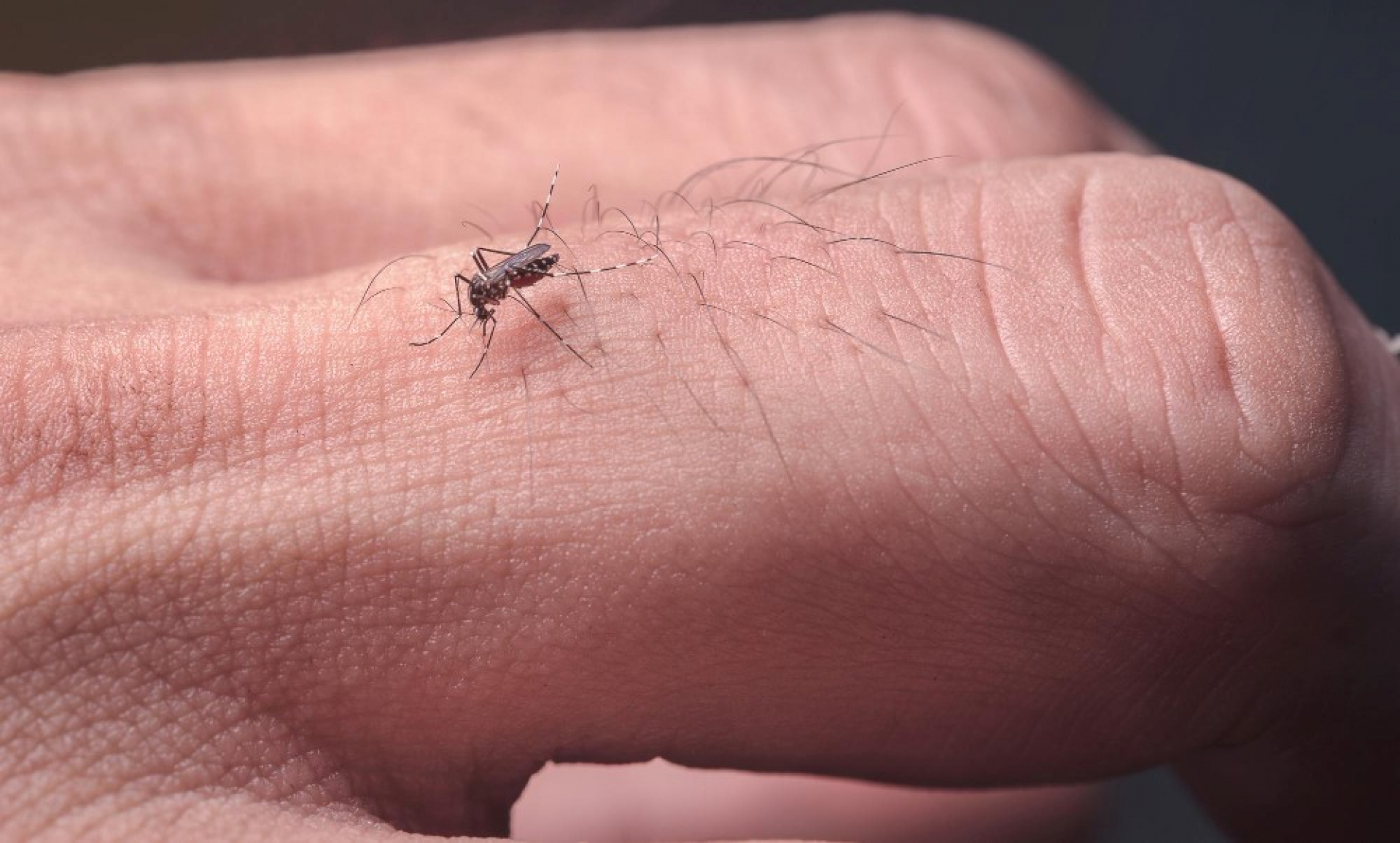
Vector-borne diseases have become an increasingly pressing public health challenge in India, driven by climatic changes, rapid urbanization, evolving mosquito behavior, and population movement. Among these, dengue, malaria, and chikungunya remain the most common and clinically significant infections transmitted primarily through mosquito vectors. In recent years, India has witnessed rising cases across both urban and rural regions, with seasonal surges placing immense pressure on healthcare systems. Understanding how these diseases differ, what symptoms they produce, and when to undergo tests such as the Dengue NS1 Test, Malaria Rapid Test, and Chikungunya IgM Test is essential for timely diagnosis and management.
Vector-borne diseases can present with overlapping symptoms such as fever, body aches, fatigue, and headache, making clinical differentiation challenging without laboratory testing. Early identification helps prevent complications, guides treatment, and reduces the risk of severe outcomes such as dengue hemorrhagic fever or cerebral malaria. This article presents an in-depth overview of India’s key vector-borne diseases, their distinct features, and how diagnostic tools support accurate assessment.
Why Vector-Borne Diseases Are Increasing in India
The rise in vector-borne infections in India is not an isolated phenomenon. Instead, it is linked to several environmental and sociocultural factors.
1. Climate Change and Rising Temperatures
Mosquitoes thrive in warm, humid environments. Increasing temperatures and prolonged monsoon seasons provide ideal breeding conditions for Aedes and Anopheles species, which transmit dengue, chikungunya, and malaria respectively. Higher temperatures accelerate mosquito breeding cycles, increasing the vector population.
2. Rapid Urbanization and Water Accumulation
Urban growth often outpaces infrastructure development. Stagnant water in construction sites, discarded containers, overhead tanks, and clogged drains becomes breeding grounds for Aedes aegypti, a major vector for dengue and chikungunya. Urban malaria has also emerged due to water stagnation around human dwellings.
3. Changing Rainfall Patterns
Irregular rainfall creates pockets of standing water, enabling mosquito larvae to survive and mature. Excessive rainfall causes waterlogging, while insufficient rainfall leads people to store water in containers, inadvertently fostering mosquito proliferation.
4. Increased Mobility and Population Density
High population density in cities facilitates the spread of mosquito-borne diseases. Additionally, travel between endemic and non-endemic regions enables viruses and parasites to spread geographically.
5. Evolution of Mosquito Behavior
Some mosquito species have adapted to bite at different times of day or breed indoors, making traditional vector control methods less effective.
Common Vector-Borne Diseases in India and Their Clinical Features
India’s primary vector-borne diseases, dengue, malaria, and chikungunya, share common features but differ in severity, complications, and diagnostic requirements. Understanding these distinctions is crucial for early intervention.
Dengue: A Viral Disease Spread by Aedes Mosquitoes
Dengue is caused by four serotypes of the dengue virus (DENV-1 to DENV-4). It spreads rapidly in urban and semi-urban areas.
Typical Symptoms of Dengue:
- High fever (often sudden in onset)
- Severe body aches or “breakbone fever”
- Headache and pain behind the eyes
- Nausea or vomiting
- Fatigue
- Mild bleeding (gums, nose)
A distinctive feature of dengue is the critical phase, which usually occurs between days 3 to 7 of the illness when the fever starts to subside. During this period, complications such as plasma leakage, internal bleeding, and shock can develop.
The Dengue NS1 Antigen Test detects the non-structural protein 1 antigen, which is present in the early stages of infection.
Importance of NS1 Testing:
- Detects infection on days 1–5
- Helps differentiate dengue from malaria or chikungunya
- Enables early monitoring for complications
- Reduces the risk of severe dengue through timely evaluation
Early NS1 detection is one of the most reliable methods for identifying dengue before antibody production begins.
Malaria: A Parasitic Disease Caused by Plasmodium Species
Malaria remains one of India’s oldest and most persistent vector-borne diseases. It is transmitted by the female Anopheles mosquito.
Common Symptoms of Malaria:
- High-grade fever, often with chills
- Sweating episodes
- Severe weakness
- Headache
- Nausea or vomiting
- Muscle aches
Malaria caused by Plasmodium falciparum can lead to life-threatening complications such as cerebral malaria, kidney failure, and severe anemia.
The Malaria Rapid Diagnostic Test (RDT) detects antigens produced by malaria parasites in the blood.
Why Malaria Rapid Testing Is Essential:
- Enables quick diagnosis without microscopy
- Differentiates falciparum and vivax malaria in many cases
- Helps guide immediate antimalarial treatment
- Prevents progression to severe disease
RDTs have transformed malaria management in India by bringing timely diagnosis to remote and high-burden areas.
Chikungunya: A Viral Infection Causing Severe Joint Pain
Chikungunya, also transmitted by the Aedes mosquito, often occurs in cycles with periodic outbreaks every few years.
Symptoms of Chikungunya:
- Sudden high fever
- Intense joint pain (often debilitating)
- Rash
- Muscle pain
- Fatigue
Joint pain may persist for months in some individuals.
Chikungunya IgM Test
The Chikungunya IgM ELISA Test detects IgM antibodies against the virus.
Diagnostic Value of Chikungunya IgM Test:
- Confirms infection from day 5 onward
- Differentiates chikungunya from dengue and malaria
- Helps manage chronic symptoms or complications
Because dengue and chikungunya are transmitted by the same mosquito species and share early clinical features, IgM testing plays a key role in accurate diagnosis.
Key Differences Between Dengue, Malaria, and Chikungunya
Fever Pattern
- Dengue: Persistent high fever with body aches
- Malaria: Cyclical fever with chills and sweating
- Chikungunya: Sudden high fever with severe joint pain
Pain Characteristics
- Dengue: Muscle and eye pain
- Chikungunya: Severe joint pain
- Malaria: Generalized body aches
Rash
- More common in dengue and chikungunya
Complications
- Dengue: Bleeding, shock, organ leakage
- Malaria: Cerebral involvement, severe anemia
- Chikungunya: Prolonged joint inflammation
These differences highlight why tests like Dengue NS1, Malaria Rapid Test, and Chikungunya IgM Test are essential for identifying the exact cause of fever.
When Should You Consider Testing?
Consider Dengue NS1 Testing if:
- Fever begins suddenly and is high
- Severe body aches or behind-the-eye pain occur
- Mild bleeding or rash develops
- You live in or recently visited a dengue-endemic area
Consider Malaria Rapid Testing if:
- Fever occurs with chills and sweats
- Travel to a malaria-prone region
- Symptoms worsen at night
- Fatigue is disproportionate to fever duration
Consider Chikungunya IgM Testing if:
- Fever appears abruptly
- Joint pain becomes severe or persistent
- Rash accompanies fever
- You were exposed to mosquito bites during an outbreak
Early testing prevents misdiagnosis, inappropriate treatment, and delays in care.
Preventing Vector-Borne Diseases: Practical Steps
1. Reduce Mosquito Breeding Sites
- Remove stagnant water
- Cover overhead tanks
- Clean coolers and containers regularly
2. Use Protective Measures
- Mosquito nets, repellents, and window screens
- Wear long sleeves in mosquito-prone areas
3. Improve Environmental Sanitation
- Clear garbage, drains, and construction debris
4. Seek Early Medical Care
Fever lasting more than 2–3 days should not be ignored, especially in monsoon or post-monsoon seasons.
