Zinc, Serum Test
About Zinc, Serum Test
| Field | Value |
|---|---|
| Also Known As | Serum Zinc test, Zinc blood test, Plasma Zinc test, Zn Serum test |
| Sample Type | Venous blood (serum) |
| Fasting Required | Varies; 8–10 hours recommended by many labs for accuracy |
| Report Time | 1 to 3 days |
| Recommended For | All ages and genders |
| Price | Starting at ₹1,250 |
What Is a Zinc, Serum Test?
A Zinc, Serum test measures the amount of zinc present in the blood. Zinc is an essential trace mineral that supports immune function, wound healing, and many other body processes.
Doctors order this test when they suspect a deficiency or excess of zinc, or to track levels in patients receiving nutritional support. It is also referred to as a Serum Zinc test, Plasma Zinc test, or Zinc blood test.
What Does a Zinc, Serum Test Measure?
The Serum Zinc level test analyses the concentration of zinc in your blood serum, reported in micrograms per decilitre (mcg/dL) or micromoles per litre (µmol/L). The table below outlines what the test measures and why it matters.
| Parameter | What It Tells You |
|---|---|
| Serum zinc concentration | Whether zinc levels in your blood are within the healthy range |
| Adequacy for bodily functions | Whether you have enough zinc to support enzyme activity, immunity, and wound repair |
| Toxicity screening | Whether zinc levels are high enough to interfere with copper absorption |
Why Is a Zinc, Serum Test Done?
A doctor may order a Serum Zinc level check for several reasons, from investigating symptoms to monitoring a long-term condition.
Common Symptoms That May Require This Test
The following signs may prompt a doctor to request a Serum Zinc test:
- Rough, dry, or broken skin
- Unusual hair loss
- Abnormal or brittle nails
- Loss of appetite
- Slow wound healing
- Changes in the sense of taste or smell
- Frequent infections or a weak immune response
Conditions This Test Can Help Detect
A Zinc blood test can help identify or investigate the following:
- Malabsorption conditions such as Coeliac disease, Crohn's disease, and short bowel syndrome
- Acrodermatitis enteropathica, a rare genetic condition affecting zinc absorption
- Hepatic cirrhosis (scarring of the liver)
- Ulcerative colitis and other inflammatory bowel conditions
- Certain cancers (neoplastic disease)
- Zinc toxicity leading to low copper levels in the blood
- Growth delays and delayed sexual maturation in children and adolescents
Zinc, Serum Test for Chronic Disease Monitoring
Zinc deficiency is closely linked to the severity of liver cirrhosis and a condition called hepatic encephalopathy (reduced brain function due to liver disease). Patients with chronic liver disease commonly have poor zinc status, which can worsen outcomes.
Similarly, people with diabetes mellitus may also have low zinc levels. Regular monitoring of Serum Zinc levels in these patients helps doctors assess nutritional status and guide appropriate care.
How to Prepare and What to Expect
Preparing correctly for a Serum Zinc level test helps ensure your results are as accurate as possible.
Do You Need to Fast?
Fasting requirements for the Plasma Zinc test vary depending on the laboratory. Zinc concentrations in blood have been shown to fall after meals, so an 8 to 12-hour fast before the test is generally recommended for the most accurate results. However, some laboratories may allow you to eat normally, so check with your doctor or the collection centre beforehand.
Practical Tips Before Your Test
Here are a few simple steps to follow before your sample is collected:
- Avoid zinc supplements or multivitamins for at least 24 hours before the test
- Ideally, discontinue all nutritional supplements and non-essential over-the-counter medicines for one week before the test, but only after getting your doctor's approval
- Inform your doctor about all prescription medications, as some (including oral contraceptives) can affect zinc levels
- If you have recently had an imaging procedure using contrast media (such as gadolinium, iodine, or barium), wait at least 96 hours before having the sample collected
- Wear loose clothing with easy access to your arm
Step-by-Step Procedure
The sample collection process is straightforward and takes only a few minutes:
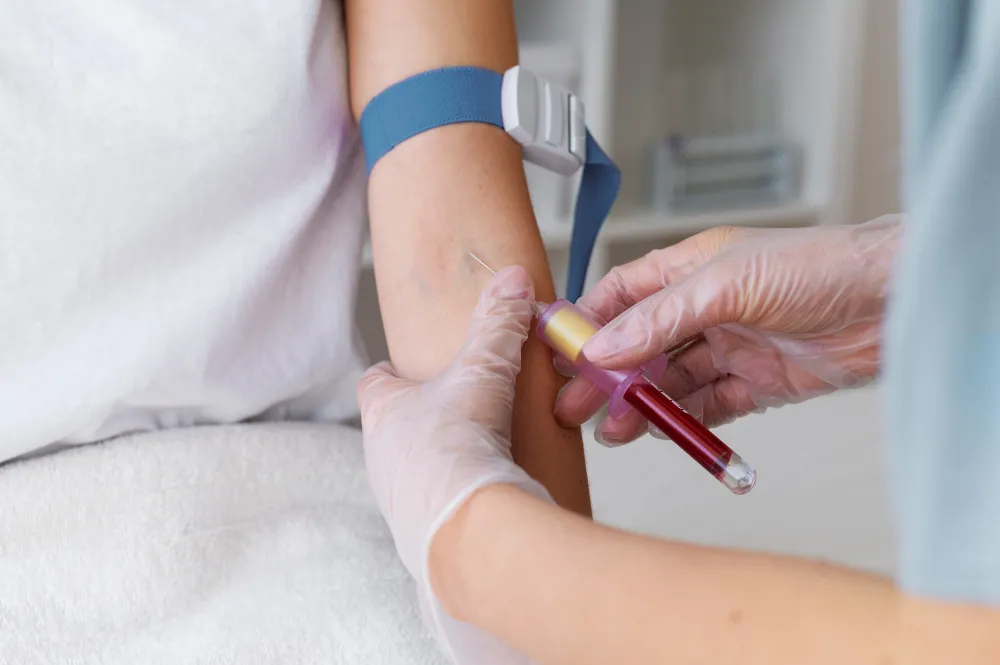
- A trained phlebotomist cleans the skin at the collection site, usually the inside of your elbow, with an antiseptic solution
- A tourniquet is applied around your upper arm to make the vein easier to access
- A small needle is inserted into the vein to draw a blood sample. You may feel a brief pinch
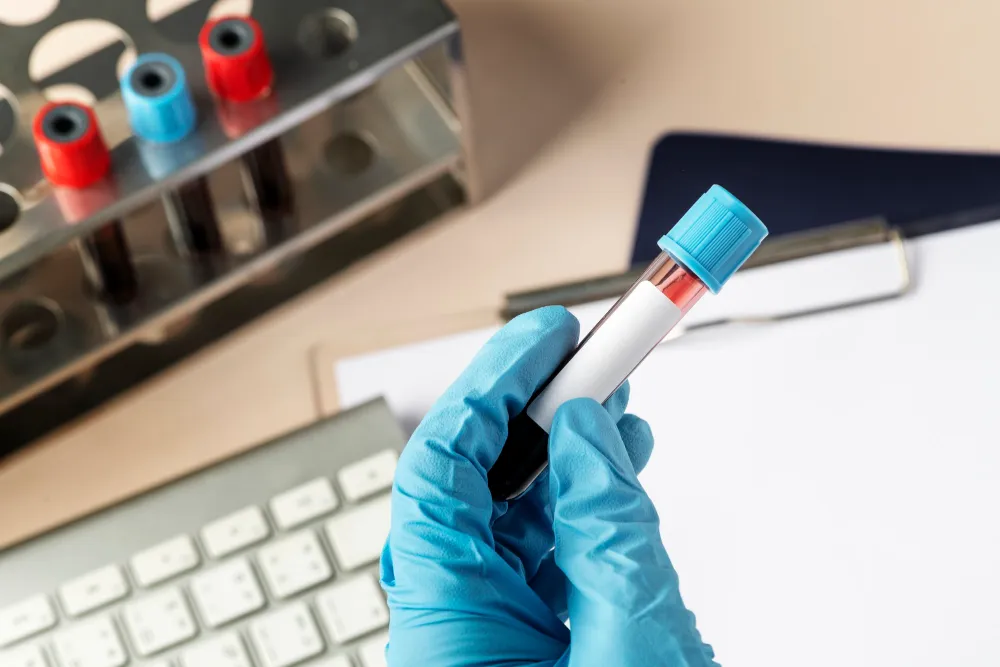
- The sample is collected in a special metal-free certified tube to prevent contamination of the zinc measurement
- The needle is removed, and a small bandage is applied to the site
- The sample is sent to the laboratory, where it is allowed to clot and then spun in a centrifuge to separate the serum for analysis
Factors That Can Affect Accuracy
Several factors can influence your Serum Zinc test result:
- Haemolysis (rupture of red blood cells during collection), which can falsely raise zinc readings
- Eating a meal shortly before the test, which can lower zinc levels
- Low albumin (a blood protein), which may cause artificially low zinc readings
- Infection, inflammation, or physical stress, all of which can temporarily reduce zinc levels
- Oral contraceptive use, which is associated with lower zinc levels
- Collection through a vascular line, which may falsely increase the result
Understanding Your Zinc, Serum Test Results
Your results should always be reviewed alongside your symptoms, medical history, and other test findings. The table below shows general reference ranges for adults.
| Parameter | Normal Range | Unit |
|---|---|---|
| Serum Zinc (Adults) | 70 to 120 | mcg/dL |
| Plasma Zinc (alternative range) | 60 to 120 | mcg/dL |
| Zinc deficiency threshold | Below 60 | µg/dL |
| Subclinical deficiency | 60 to 80 | µg/dL |
These ranges are general guidelines. Your doctor will interpret your results based on your age, health history, and other factors. Always consult a qualified healthcare professional for personalised medical advice.
Results During Special Conditions
Some health states can influence how your result is read. Low albumin levels can make zinc appear lower than it truly is, because albumin is the main protein that carries zinc through the bloodstream. Inflammation, infection, or physical stress can also temporarily suppress zinc readings, even when actual body stores are adequate. Your doctor will factor in these conditions when interpreting your Serum Zinc level.
How to Maintain Healthy Levels
These general tips can support a balanced zinc intake:
- Include zinc-rich foods in your diet such as red meat, shellfish (especially oysters), dairy products, nuts, seeds, and legumes. Note that zinc from plant sources is less easily absorbed due to dietary fibre
- If you take zinc supplements, follow your doctor's guidance on dosage, as too much zinc can interfere with copper absorption
- Maintain a varied, balanced diet to reduce the risk of nutrient interactions that can affect zinc uptake
Lupin Diagnostics Zinc, Serum Test Price and Home Collection
The Zn Serum test is available at Lupin Diagnostics starting at ₹1,250, with home sample collection offered across cities in India.
| City | Approximate Price (₹) |
|---|---|
| Mumbai | ₹1,250 |
| Bangalore | ₹1,250 |
| Hyderabad | ₹1,250 |
| Kolkata | ₹1,250 |
| Chennai | ₹1,250 |
| Indore | ₹1,250 |
| Pune | ₹1,250 |
| Bhopal | ₹1,250 |
Prices are indicative and may vary by location. Please confirm the current price at the time of booking.
How to Book
- Select the test on the Lupin Diagnostics website
- Choose your city and preferred time slot
- Opt for home sample collection by a certified phlebotomist, or visit your nearest Lupin Diagnostics centre
- Receive your report via email or WhatsApp within the stipulated turnaround time
Home Collection
Lupin Diagnostics offers home sample collection for the Zinc blood test across cities in India, so you can have your sample taken at a time and place that suits you. All samples are processed in NABL-accredited laboratories by experienced technologists. Your digital report is delivered directly to your email or WhatsApp.
Frequently Asked Questions
The Serum Zinc test is used to check whether your zinc levels are within the healthy range. Doctors request it when investigating symptoms of deficiency, such as hair loss or poor wound healing, and also to monitor levels in people who are receiving zinc supplementation or nutritional support.
It varies by laboratory. While some diagnostic centres allow you to eat normally, an 8 to 12-hour fast is generally recommended for the most accurate results. This is because food intake can temporarily lower zinc concentrations in the blood. It is best to confirm with your doctor or the collection centre when booking.
Common signs that a doctor may associate with low zinc include unusual hair loss, rough or broken skin, slow-healing wounds, frequent infections, and changes in taste or smell. If you notice several of these symptoms together, speak to your doctor about whether testing is appropriate.
Yes. Oral contraceptives can lower zinc levels. Other medications and nutritional supplements may also interfere with the result. Let your doctor know about everything you are taking before the test so they can advise you on what to pause or disclose.
Certain foods and nutrients can block zinc absorption. High amounts of iron or copper (such as from supplements) can interfere with how your body takes up zinc. Plant-based foods contain fibre (phytates) that can bind zinc and make it harder to absorb. Conditions such as Coeliac disease and Crohn's disease can also reduce absorption even when dietary intake appears adequate.
Excessively high zinc is uncommon. Most surplus zinc passes through the digestive tract and is excreted. However, very high zinc intake over time can interfere with copper absorption, leading to low copper levels in the blood. Avoid taking zinc supplements beyond recommended amounts without medical guidance.
This test may be relevant for people with symptoms of deficiency, those with chronic liver disease or diabetes, individuals following a vegetarian or vegan diet, patients with malabsorption conditions, and anyone currently taking zinc supplements who needs their levels monitored. Your doctor is the best person to advise on whether the Serum Zinc level test is right for you.
Zinc, Serum Test