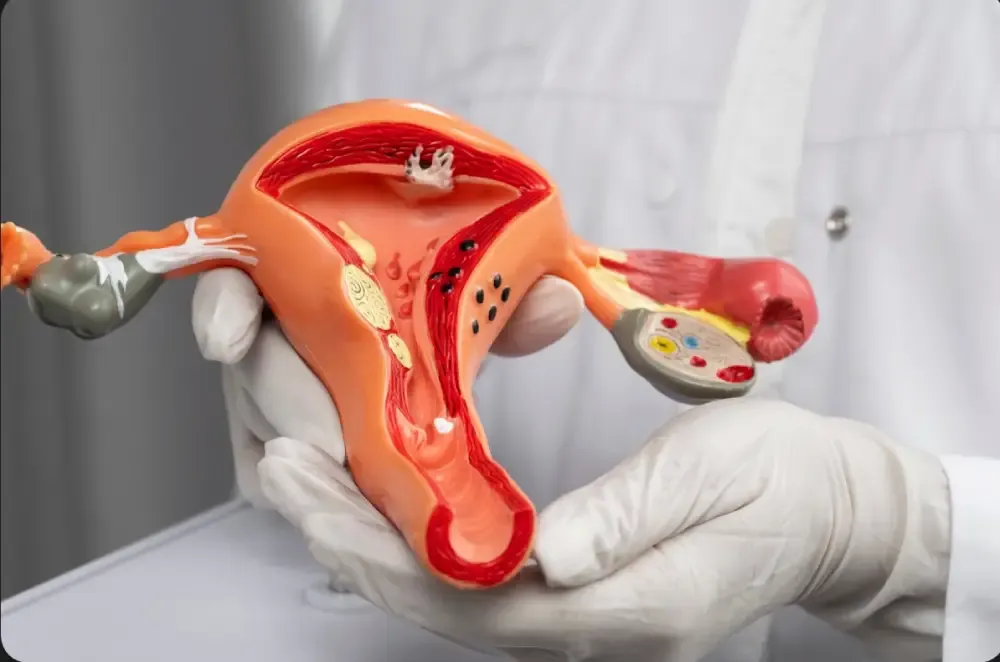
Pap Smear Conventional Test
About Pap Smear Conventional Test
| Field | Value |
|---|---|
| Also Known As | Pap test, Papanicolaou test, cervical smear, cervical cytology, smear test |
| Sample Type | Cervical cells (collected via speculum examination) |
| Fasting Required | No |
| Report Time | 1 to 3 weeks |
| Recommended For | Women aged 21 to 65 years |
| Price | Starting at ₹500 |
What Is a Pap Smear Conventional Test?
A pap smear conventional test is a screening procedure that checks for abnormal cells on the cervix. Cells are collected from the cervix, spread directly onto a glass slide, and examined under a microscope. It is also known as the Papanicolaou test, cervical smear, or smear test. Doctors recommend it as a routine check for women aged 21 to 65, whether or not any symptoms are present.
What Does a Pap Smear Conventional Test Measure?
The pap conventional test looks at cervical cells to identify abnormal changes and signs of infection. The following components are examined during the test.
| Component | What Is Assessed |
|---|---|
| Cervical cell morphology | Overall appearance of cells; identifies abnormal, precancerous, or cancerous changes |
| Squamous epithelial cells | Cells from the outer surface of the cervix checked for abnormalities |
| Glandular cells | Cells from the inner cervical canal examined for unusual changes |
| Evidence of infection | Presence of organisms such as HPV, Candida (yeast), Trichomonas, and herpes |
Why Is a Pap Smear Conventional Test Done?
The conventional Pap smear test is primarily a preventive screening tool. It is recommended on a routine basis, even when a person feels entirely well.
Common Symptoms That May Require This Test
A doctor may order this test if you report any of the following symptoms.
- Abnormal vaginal bleeding after sexual intercourse, bleeding between periods, postmenopausal bleeding, and bleeding following douching or pelvic examinations
- Unusual vaginal discharge
- Pelvic pain or discomfort
- Visible changes or lesions on the cervix
- Discomfort while passing urine or the presence of blood in urine
- Unexplained fatigue and weight loss
Conditions This Test Can Help Detect
The pap conventional test can help identify several cervical and vaginal conditions, including the following.
- Cervical cancer
- Cervical intraepithelial neoplasia (CIN), which refers to precancerous cell changes of varying severity
- Human papillomavirus (HPV) infection effects on cervical cells
- Cervical inflammation and atrophic changes (thinning of cervical tissue)
How to Prepare and What to Expect
Preparing correctly for the test helps ensure the sample is of good quality and that your results are accurate.
Do You Need to Fast?
No fasting is required for this test. You can eat and drink normally before your appointment.
Practical Tips Before Your Test
Follow these steps in the days leading up to your test to get the most reliable result.
- Avoid sexual intercourse for at least 24 hours before the test.
- Do not use vaginal medicines, spermicidal foam, or douches for at least 2 days beforehand.
- Do not schedule the test during your menstrual period; the preferred time is approximately two weeks after the first day of your last period.
- Empty your bladder just before the procedure for comfort.
- Wear comfortable, loose clothing to make the examination easier.
Step-by-Step Procedure
The procedure is straightforward and takes only a few minutes. Here is what happens during sample collection.
- You lie on an examination table and rest your feet in footrests provided by the doctor.
- The provider gently inserts a small instrument called a speculum into the vagina to hold it open slightly.
- A wooden spatula and a small brush are used to collect cells from the junction of the outer and inner cervix (called the transformation zone).
- The collected cells are smeared onto a glass slide and immediately fixed to preserve them.
- The speculum is carefully removed; most people experience only mild pressure or brief discomfort.
- The labelled slide is sent to the laboratory, where a specialist examines the cells under a microscope.
Factors That Can Affect Accuracy
Certain factors can reduce sample quality and affect the reliability of the result. These include the following:
- Collecting the sample during menstruation.
- Using vaginal products (lubricants, creams, or foams) before the test.
- Insufficient cells collected from the transformation zone.
- Mucus or inflammation obscuring the cells on the slide.
- Delayed or incorrect fixation of the slide after collection.
Understanding Your Pap Smear Conventional Test Results
Results from the pap smear conventional test are not reported as numbers. Instead, they follow the Bethesda System, which is the standard international framework for describing cervical cytology findings. Always go through your results with your doctor, who will explain what they mean in the context of your health history.
| Result Category | What It Means |
|---|---|
| Negative for Intraepithelial Lesion or Malignancy (NILM) | Normal result; no abnormal cells detected |
| Atypical Squamous Cells of Undetermined Significance (ASC-US) | Minor cell changes of unclear cause; may be related to HPV or inflammation |
| Low-grade Squamous Intraepithelial Lesion (LSIL) | Mild abnormal cell growth (dysplasia), often associated with HPV infection |
| High-grade Squamous Intraepithelial Lesion (HSIL) | Moderate to severe abnormal cell growth; requires prompt further investigation |
| Atypical Glandular Cells (AGC) | Abnormal glandular cells; further tests needed to determine cause |
| Squamous Cell Carcinoma or Adenocarcinoma | Cancer cells identified; immediate specialist referral required |
These ranges are general guidelines. Your doctor will interpret your results based on your age, health history, and other factors. Always consult a qualified healthcare professional for personalised medical advice.
Results During Special Conditions
Certain health states can influence how cervical cells appear on the test, which may affect interpretation:
- After menopause, thinning of cervical tissue can make cells appear unusual, sometimes leading to results that look abnormal when they are not.
- Pregnancy causes hormonal changes and increased blood flow to the cervix, which can alter cell appearance and occasionally produce atypical results.
- A Candida (yeast) infection can cause cervical inflammation that affects how cells look on the slide, potentially producing a misleading result.
How to Maintain Healthy Levels
While no single measure can eliminate cervical cancer risk entirely, the following general habits support cervical health:
- Consider HPV vaccination if you are eligible, as it reduces the risk of the most common cancer-causing HPV types.
- Practise safe sex and limit the number of sexual partners to lower the chance of HPV exposure.
- Avoid smoking, as it is a known factor that increases the risk of cervical cell changes.
Lupin Diagnostics Pap Smear Conventional Test Price
The pap smear conventional test requires a visit to a Lupin Diagnostics centre; home sample collection is not available for this test. The pap smear conventional test price starts at ₹500, and the approximate cost across major cities is shown below.
| City | Approximate Price (₹) |
|---|---|
| Hyderabad | ₹500 |
| Bengaluru | ₹500 |
| Chennai | ₹590 |
| Guwahati | ₹700 |
| Mumbai | ₹800 |
| Kolkata | ₹600 |
| Pune | ₹800 |
Prices are indicative and may vary by location. Please confirm the current price at the time of booking.
How to Book
Follow these steps to book your pap smear conventional test at Lupin Diagnostics.
- Select the test on the Lupin Diagnostics website.
- Choose your city and preferred centre location.
- Visit the centre at your scheduled time for sample collection.
- Receive your report via email or WhatsApp within the stipulated turnaround time.
Frequently Asked Questions
In the pap smear conventional test, cells collected from the cervix are spread directly onto a glass slide and fixed immediately. In liquid-based cytology (LBC), the cells are placed into a liquid preservative and processed in the laboratory. The conventional method is widely available and generally more affordable, which is why it remains the most frequently used technique for cervical screening.
Women are advised to have their first pap test at age 21. Between ages 21 and 30, the test is recommended once every three years. Between ages 30 and 65, a pap smear every five years (often combined with HPV testing) is generally advised. Your doctor will guide you based on your personal health history.
It is best to schedule the pap smear conventional test when you are not menstruating. Menstrual blood can obscure the cervical cells and affect accuracy. If you are experiencing unexpected bleeding, speak to your doctor before cancelling; they will advise whether the test can still proceed.
Most people feel only mild pressure or brief discomfort during the procedure. It is not usually painful. Taking slow, deep breaths and relaxing your muscles during the examination can help reduce any discomfort you feel.
An abnormal result does not automatically mean cervical cancer. Many abnormal results reflect minor cell changes caused by infections or hormonal shifts. Depending on the type of finding, your doctor may recommend a repeat pap conventional test, an HPV test, or a colposcopy (a more detailed examination of the cervix). Follow your doctor's guidance for the next steps.
Yes. The HPV vaccine does not cover all HPV types that can cause cervical cancer, and it does not protect against exposure that occurred before vaccination. Regular pap smear screening remains recommended even for those who have been vaccinated.
Most women can stop cervical screening after age 65 if they have had a history of normal results. However, if you have had previous abnormal results or certain risk factors, your doctor may recommend continuing. Always check with your healthcare provider before stopping routine screening.
Pap Smear Conventional Test