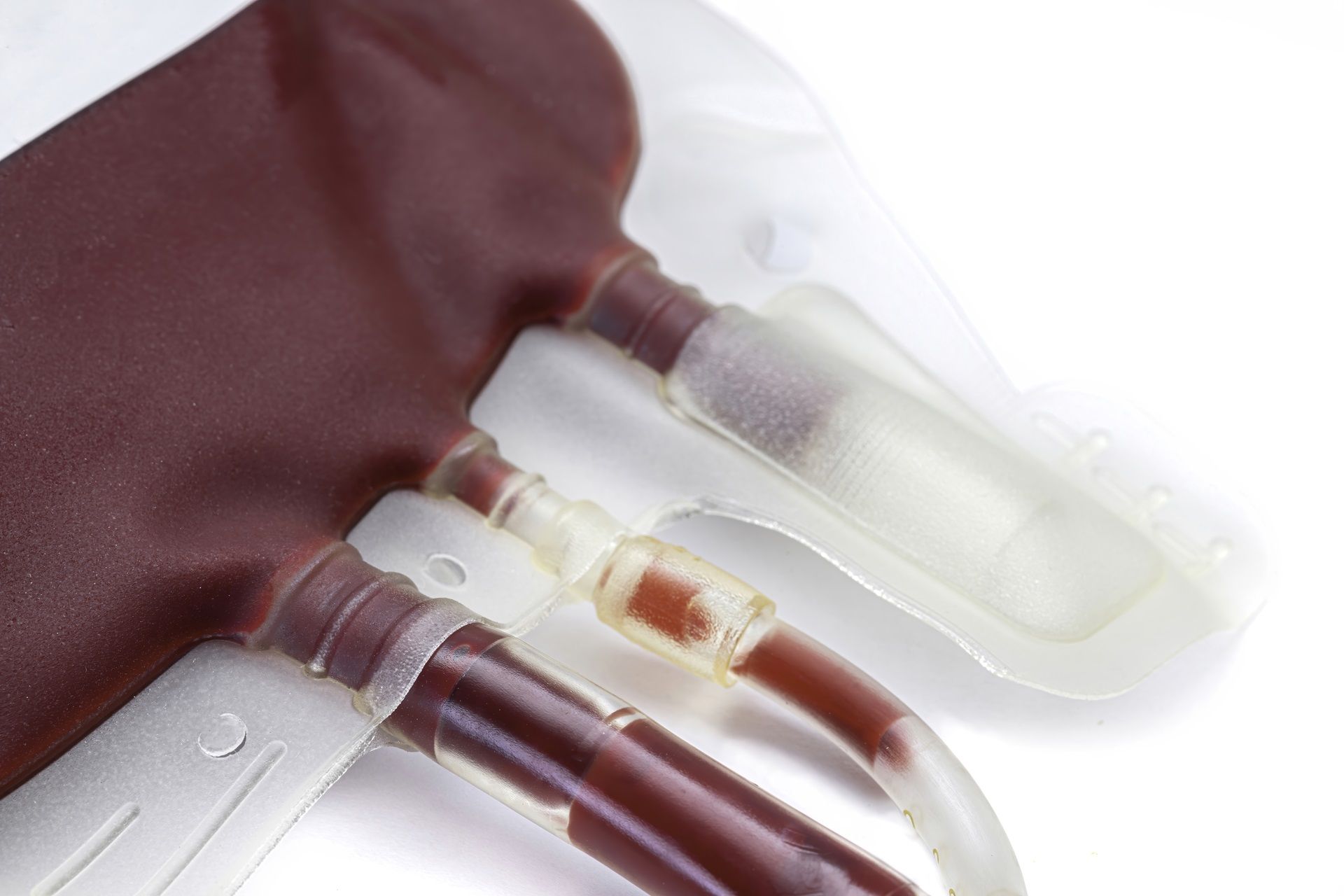
Haemophilia Profile Test
About Haemophilia Profile Test
| Field | Value |
|---|---|
| Also Known As | Coagulation Factor Assay, Clotting Factor Profile, Haemophilia Panel |
| Sample Type | Venous blood (citrated plasma) |
| FFasting Required | No fasting required |
| Report Time | 2 to 5 days |
| Recommended For | All genders and ages, primarily males due to X-linked inheritance |
| Price | Starting at ₹3,500 |
What Is a Haemophilia Profile Test?
A haemophilia profile test is a set of blood tests that measure the activity of clotting factors. Doctors order it to diagnose or monitor haemophilia A or B, two inherited bleeding disorders. The test uses a venous blood sample, collected as citrated plasma. It is also referred to as a coagulation factor assay or clotting factor profile.
What Does a Haemophilia Profile Test Measure?
The test assesses several proteins involved in the blood clotting process. Here is a brief overview of each parameter included in the panel.
| Parameter | What It Assesses |
|---|---|
| Factor VIII Activity | Clotting protein levels linked to haemophilia A |
| Factor IX Activity | Clotting protein levels linked to haemophilia B (Christmas disease) |
| APTT (Activated Partial Thromboplastin Time) | Time taken for blood to clot; reflects the activity of factors VIII, IX, XI, and XII |
| Prothrombin Time (PT) | Overall clotting ability; helps detect bleeding disorders and liver-related issues |
| Fibrinogen | Clotting ability of factor I; measured when PT or APTT results are abnormal |
Why Is a Haemophilia Profile Test Done?
The haemophilia profile test is ordered when a doctor suspects a clotting disorder or wants to track how well treatment is working in a known patient.
Common Symptoms That May Require This Test
A doctor may recommend this test if you experience any of the following symptoms.
- Unusual or excessive bleeding without a clear cause
- Prolonged bleeding after an injury, surgery, or a minor cut
- Frequent nosebleeds or bleeding from the gums
- Unexplained bruising
- Joint pain, swelling, or warmth in the joints
- Bleeding while brushing teeth or after dental procedures
Conditions This Test Can Help Detect
The haemophilia profile test can help identify several clotting-related conditions.
- Haemophilia A (deficiency of factor VIII)
- Haemophilia B, also known as Christmas disease (deficiency of factor IX)
- Haemophilia C (deficiency of factor XI; rare)
- Von Willebrand disease, which involves reduced factor VIII activity
- Other coagulation factor deficiencies
- Acquired haemophilia, where the body develops antibodies against its own clotting factors
Haemophilia Profile Test for Chronic Disease Monitoring
For patients already diagnosed with haemophilia, this test plays a key role in ongoing care. Clotting factor activity is measured at regular follow-ups, before and after surgical procedures, and after infusions of factor concentrate to confirm treatment effectiveness. Patients on prophylactic factor replacement therapy should be tested regularly, and those receiving clotting factor concentrates are advised to check for inhibitors at least annually.
How to Prepare and What to Expect
Knowing what to do before your clotting factor profile helps ensure an accurate result.
Do You Need to Fast?
No, fasting is not required before the haemophilia profile test. If you are taking blood-thinning medications such as heparin or warfarin, inform your doctor in advance, as these may need to be paused before the test.
Practical Tips Before Your Test
Keep the following in mind before you come in for your coagulation factor assay.
- Inform your doctor about all medications you are currently taking, including supplements
- Avoid aspirin and non-steroidal anti-inflammatory drugs (NSAIDs) before the test, unless your doctor advises otherwise
- Stay well hydrated to make the blood draw easier
- Wear clothing with short or loose sleeves for easy access to your arm
Step-by-Step Procedure
Here is what you can expect during sample collection.
- The phlebotomist (the person drawing your blood) cleans the inside of your elbow with an antiseptic.
- A small needle is used to draw blood from a vein in your arm.
- The blood is collected into special citrate tubes designed for clotting tests.
- The tubes are gently inverted several times immediately after collection to mix the sample properly.
- Pressure is applied to the puncture site to stop any minor bleeding.
- The labelled sample is sent to the laboratory for analysis. The entire process takes under five minutes.
- Factor VIII levels can rise due to pregnancy, oestrogen therapy, stress, or active illness
- Heparin and lupus anticoagulants can interfere with clot-based factor assays
- Samples that are frozen and thawed may show slightly lower factor VIII activity than fresh samples
- Delayed or improper sample processing can affect clotting factor measurements
Factors That Can Affect Accuracy
Several factors may influence the reliability of your haemophilia profile test results.
Understanding Your Haemophilia Profile Test Results
Results from this test need to be reviewed alongside your full medical history and any other tests your doctor has ordered. The table below shows the general reference ranges for each parameter.
| Parameter | Normal Range |
|---|---|
| Factor VIII Activity | 50% to 150% of normal plasma activity |
| Factor IX Activity | 50% to 150% of normal plasma activity |
| APTT | 25 to 35 seconds |
| Prothrombin Time (PT) | 11 to 13.5 seconds |
Haemophilia severity is classified based on clotting factor activity levels:
| Severity | Factor Activity Level |
|---|---|
| Severe | Less than 1% of normal |
| Moderate | 1 to 5% of normal |
| Mild | Greater than 5% and less than 40% of normal |
These ranges are general guidelines. Your doctor will interpret your results based on your age, health history, and other factors. Always consult a qualified healthcare professional for personalised medical advice.
Results During Special Conditions
Certain conditions can affect how your results should be read.
- Pregnancy, oestrogen therapy, stress, and illness can all cause factor VIII levels to rise, which may mask an underlying deficiency.
- In newborns, factor IX levels are naturally lower and may not reach the normal adult range until the baby is at least six months old, so a mildly low level at birth does not automatically indicate haemophilia B.
- The APTT reading can remain within normal limits even when factor VIII is as low as 25% to 35%, which is why specific factor assays are essential for an accurate diagnosis.
How to Maintain Healthy Levels
General lifestyle habits can support overall well-being, especially for those with or at risk of clotting disorders.
- Follow any prescribed treatment plan consistently and attend regular monitoring appointments
- Avoid medications that raise bleeding risk, such as aspirin or NSAIDs, unless specifically directed by your doctor
- Stay physically active with low-impact activities; avoid high-contact sports that increase the risk of injury
Lupin Diagnostics Haemophilia Profile Test Price and Home Collection
The haemophilia profile test price at Lupin Diagnostics starts at ₹3,500, with home sample collection available across major cities in India.
| City | Approximate Price (₹) |
|---|---|
| Mumbai | ₹3600 |
| Bangalore | ₹3600 |
| Chennai | ₹3600 |
| Hyderabad | ₹3600 |
| Kolkata | ₹3600 |
| Pune | ₹3600 |
Prices are indicative and may vary by location. Please confirm the current price at the time of booking.
How to Book
- Select the test on the Lupin Diagnostics website.
- Choose your city and preferred time slot.
- Opt for home sample collection by a certified phlebotomist, or visit your nearest Lupin Diagnostics centre.
- Receive your report via email or WhatsApp within the stipulated turnaround time.
Home Collection
Lupin Diagnostics offers home sample collection for the haemophilia profile test across cities in India, making it easy to get tested without visiting a centre. All samples are processed in NABL-accredited laboratories by experienced professionals. Your digital report is delivered securely via email or WhatsApp.
Frequently Asked Questions
A haemophilia profile test is a set of blood tests that measure clotting factor activity. It is used to diagnose or monitor haemophilia A or B. The panel typically includes APTT, factor VIII assay, factor IX assay, prothrombin time, and a fibrinogen test.
This test is recommended for individuals with a family history of bleeding disorders, anyone experiencing unexplained or excessive bleeding, patients preparing for surgery who may be at higher bleeding risk, and newborns whose mothers are known carriers of haemophilia.
Severity is based on the level of clotting factor activity in the blood. A level below 1% of normal is classified as severe, 1 to 5% as moderate, and above 5% but below 40% as mild.
No, fasting is not required. You should also inform your doctor about any blood-thinning medications you take, as these may need to be temporarily stopped before the test.
Yes. Women who carry the haemophilia gene can have low factor activity levels, which may cause symptoms such as heavy menstrual bleeding, easy bruising, and joint bleeds. Some women have factor levels low enough to receive a formal haemophilia diagnosis.
Patients who use clotting factor concentrates should be tested for inhibitors at least once a year. The overall frequency of monitoring depends on the type of treatment being received and the individual's clinical needs, as advised by their doctor.
An abnormal APTT result suggests that there may be a problem with the clotting pathway. However, the APTT can still appear normal even when factor VIII or IX levels are moderately reduced, so specific factor assays are needed to confirm a diagnosis.
Haemophilia Profile Test