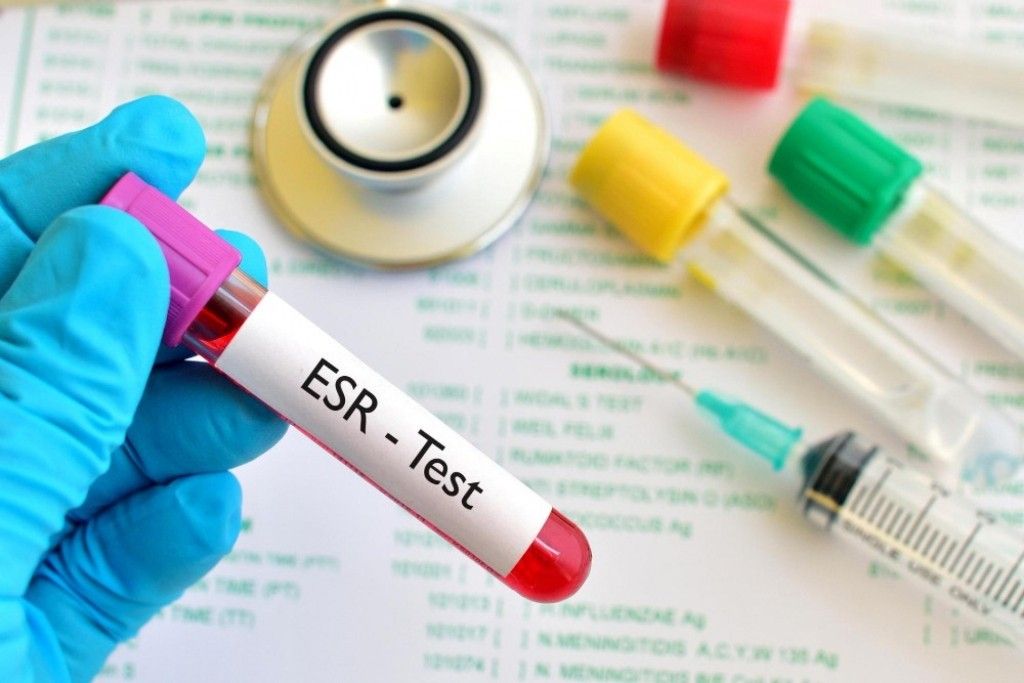
Fibrinogen Test
About Fibrinogen Test
| Field | Value |
|---|---|
| Also Known As | Factor I Assay, Fibrinogen Activity, Functional Fibrinogen, Fibrinogen Antigen test, Plasma Fibrinogen, Serum Fibrinogen test, Hypofibrinogenemia test |
| Sample Type | Venous blood (citrated plasma) |
| Fasting Required | No; no special preparation needed. Inform your doctor if you take blood thinners |
| Report Time | 2 to 4 hours to same day; may extend to 24 to 96 hours depending on the laboratory |
| Recommended For | Individuals of all ages, male and female, when a bleeding or clotting disorder is suspected. |
| Price | Starting at ₹1,350 |
What Is a Fibrinogen Test?
A fibrinogen test measures the level of fibrinogen, a protein produced by the liver, in your blood. Fibrinogen plays a central role in blood clotting by forming a mesh of fibrin that seals wounds and stops bleeding.
Doctors order this test when they suspect a problem with how your blood clots or when investigating unexplained bleeding. It is also known by several other names, including the Factor I Assay, plasma fibrinogen test, and fibrinogen activity test, and cardiac fibrinogen test.
What Does a Fibrinogen Test Measure?
This test looks at fibrinogen from two angles: how much of the protein is present and how well it functions. The results help doctors identify whether a clotting problem is due to low fibrinogen levels, absent fibrinogen, or fibrinogen that is present but not working correctly.
The test typically includes the following components:
- Fibrinogen Activity: Measures how effectively fibrinogen converts into fibrin during clotting. This is the most commonly ordered form of the test.
- Fibrinogen Antigen: Measures the actual quantity of fibrinogen protein in the blood. When ordered alongside the activity test, it helps detect dysfibrinogenemia, a condition where fibrinogen is present but abnormal in function.
Why Is a Fibrinogen Test Done?
A fibrinogen test is ordered for several reasons, from investigating unexplained bleeding symptoms to monitoring certain medical conditions.
Common Symptoms That May Require This Test
Your doctor may recommend this test if you are experiencing any of the following symptoms:
- Prolonged bleeding from minor cuts or wounds
- Excessive or unexplained bruising
- Bleeding gums without an obvious cause
- Frequent nosebleeds
- Blood in urine or stools
- Coughing up blood
- Unexplained bleeding from any site
Conditions This Test Can Help Detect
The serum fibrinogen test and related assays can help identify a range of conditions. These include:
- Afibrinogenemia (complete absence of fibrinogen in the blood, an extremely rare inherited condition)
- Hypofibrinogenemia (low fibrinogen levels)
- Dysfibrinogenemia (fibrinogen present but functioning abnormally)
- Disseminated intravascular coagulation (DIC), a serious condition where clotting is activated throughout the bloodstream
- Liver diseases, which can impair fibrinogen production
- Cardiovascular conditions, as raised fibrinogen levels are associated with an increased risk of coronary heart disease, stroke, heart attack, and peripheral arterial disease
How to Prepare and What to Expect
Preparation for a fibrinogen test is straightforward, and most people find the procedure quick and simple.
Do You Need to Fast?
No fasting is required for a plasma fibrinogen test. You can eat and drink as normal before sample collection. However, if your doctor has ordered additional tests alongside this one, some of those may require fasting, so it is worth checking.
Practical Tips Before Your Test
A few simple steps can help your appointment go smoothly:
- Drink plenty of water beforehand good hydration makes blood collection easier
- Tell your doctor about all medications and supplements you are taking, especially blood thinners or oestrogen-based treatments such as birth control pills
- Avoid vigorous exercise on the day of the test, as intense activity can temporarily raise fibrinogen levels
- Wear a short-sleeved or loose-sleeved top for easy access to your arm
- Inform the phlebotomist of any history of bleeding or bruising
Step-by-Step Procedure
- A healthcare professional will ask you to sit comfortably and locate a suitable vein, usually on the inside of your elbow.
- The area is cleaned with an antiseptic swab to reduce the risk of infection.
- A small needle is inserted into the vein, and a blood sample is drawn into a special blue-top tube containing sodium citrate, which prevents the blood from clotting during transport.
- The tube must be filled to the correct level to maintain the proper ratio of blood to anticoagulant. The sample is gently inverted several times to mix it.
- The needle is removed, and gentle pressure is applied to the collection site with a small gauze pad.
- The labelled sample is sent to the laboratory. You can return home and resume your normal activities straight away.
Factors That Can Affect Accuracy
Certain factors can influence the reliability of your fibrinogen test result:
- Incomplete filling of the collection tube, which alters the blood-to-anticoagulant ratio
- Damage to red blood cells (haemolysis) during or after sample collection
- High doses of unfractionated heparin, which may cause fibrinogen levels to read lower than they actually are
- Medications such as blood thinners, streptokinase, valproic acid, phenobarbital, and anabolic steroids
- Oestrogen therapy or birth control pills, which can raise fibrinogen levels
- Sample temperature and transport conditions
Understanding Your Fibrinogen Test Results
Your results will show fibrinogen levels measured in milligrams per decilitre (mg/dL) or grams per litre (g/L). Always review your results with your doctor, who will consider them alongside your full clinical picture.
| Parameter | Normal Range | Unit |
|---|---|---|
| Fibrinogen Activity | 200 to 400 | mg/dL |
| Fibrinogen Antigen | 149 to 353 | mg/dL |
These ranges are general guidelines and can vary by laboratory. Your doctor will interpret your results based on your age, health history, and other factors. Always consult a qualified healthcare professional for personalised medical advice.
Results During Special Conditions
Some circumstances can shift fibrinogen levels outside the standard reference range without indicating a disorder.
During pregnancy, fibrinogen rises progressively from early on. By the third trimester, levels often exceed 450 to 500 mg/dL. This is a normal physiological change that helps protect against excessive bleeding during childbirth, although it also increases the risk of clot formation.
Oestrogen therapy and birth control pills can raise fibrinogen levels, while certain medicines, including streptokinase, valproic acid, phenobarbital, and anabolic steroids, may lower them.
How to Maintain Healthy Levels
The following general wellness habits may help support balanced fibrinogen levels:
- Avoid smoking cigarette smoking is consistently associated with elevated fibrinogen
- Include omega-3 and omega-6 fatty acid sources in your diet, such as oily fish, flaxseed, and nuts
- Work with your doctor to manage any underlying inflammatory conditions
Lupin Diagnostics Fibrinogen Test Price and Home Collection
The fibrinogen test price at Lupin Diagnostics starts at approximately ₹1,350, and home sample collection is available across many cities in India.
| City | Approximate Price (₹) |
|---|---|
| Mumbai | ₹1,350 |
| Bangalore | ₹1,350 |
| Chennai | ₹1,350 |
| Hyderabad | ₹1,350 |
| Pune | ₹1,350 |
| Indore | ₹1,350 |
| Kolkata | ₹1,350 |
| Bhopal | ₹1,350 |
Prices are indicative and may vary by location. Please confirm the current price at the time of booking.
How to Book
- Select the test on the Lupin Diagnostics website
- Choose your city and preferred time slot
- Opt for home sample collection by a certified phlebotomist, or visit your nearest Lupin Diagnostics centre
- Receive your report via email or WhatsApp within the stipulated turnaround time
Home Collection
Lupin Diagnostics offers home sample collection for the fibrinogen test across cities, so you can get tested without visiting a centre. All samples are processed in NABL-accredited laboratories by trained professionals. Your digital report is delivered directly via email or WhatsApp once ready.
Frequently Asked Questions
The fibrinogen activity test, commonly performed using the Clauss assay, measures how well fibrinogen functions in forming a clot. The fibrinogen antigen test measures the actual quantity of the protein present. When ordered together, the two tests can distinguish between low fibrinogen levels and dysfibrinogenemia, where fibrinogen is present in normal amounts but does not work properly.
No fasting is required before a fibrinogen test. You can eat and drink as usual on the day of your appointment. If your doctor has prescribed other tests at the same time, check whether any of those require fasting.
Results are typically available within 2 to 4 hours of sample collection. In some cases, depending on the laboratory, results may take up to 24 to 96 hours. Lupin Diagnostics will notify you once your report is ready.
Fibrinogen is an acute phase reactant, meaning its levels rise in response to inflammation or tissue damage. A high result may be associated with infections, inflammatory conditions, cardiovascular events, cancer or oestrogen therapy. Your doctor will review your result in the context of your symptoms and medical history.
Low fibrinogen levels may be linked to conditions such as end-stage liver disease, disseminated intravascular coagulation (DIC), severe malnutrition, or inherited disorders such as hypofibrinogenemia or afibrinogenemia. Certain medications can also lower levels. A value below 100 mg/dL is considered very low and increases bleeding risk.
Yes, fibrinogen levels rise steadily during pregnancy as a normal physiological adaptation. By the third trimester, levels often exceed 450 to 500 mg/dL, which is higher than the standard adult reference range. Your doctor will take this into account when interpreting your result.
The fibrinogen test near me or at a collection centre carries minimal risk. You may experience mild bruising or brief discomfort at the needle insertion site, but this typically resolves within a day or two. Serious complications are very rare.
Fibrinogen Test